The decision you're actually making
Let's be real. You're not just picking a lemon vibrator. You're choosing how to talk about pleasure, what you're willing to try, and whether you can ask for what you want. The device itself is almost secondary.
Here's what I see with couples who bring a lemon clitoral vibrator into their sex life together. The ones who thrive aren't necessarily using the most expensive toy or the one with the most patterns. They're the ones who chose it together, without shame, and checked in about how it felt afterward. That conversation is worth more than the vibrator itself.
Why couples pick toys differently than individuals
When you're shopping alone, you're thinking: What do I like? What intensity works for my body? What pattern feels good?
With a partner, the equation changes. Now you're also thinking: Does my partner feel threatened? Are they excited or just going along? How do I bring this up without it landing as "something's wrong with what we're doing"? Will this actually enhance what we already do, or will it replace me?
Those unspoken anxieties are real. Research on couples and sex toys shows that partners often worry introducing a toy signals dissatisfaction. It doesn't. It signals curiosity and a desire to expand what you're doing together.
But that fear lives underneath the product decision. So the first step isn't browsing lemon vibrators. It's a five-minute conversation where you both say out loud: "I want to try this because I think it could be fun for us, not because something's broken."
Once that's clear, the shopping gets easier.
How to have the toy conversation without it getting weird
Timing matters. Don't spring it during or right after sex. Don't bring it up when one of you is stressed or defensive about something else.
Instead, pick a relaxed moment. Maybe you're cooking together or on a walk. "Hey, I've been curious about trying a lemon vibrator together. I think it could feel amazing. What do you think?" That's it. Simple, direct, no apology built into the language.
If they say no immediately, ask why. Is it performance anxiety? Cost? Worry that you're bored? Those are different problems with different solutions. Performance anxiety might dissolve if you say, "I want us both to enjoy this, and it's not about you. It's an addition, not a replacement." Cost concerns are real—but a quality lemon clitoral vibrator from Hello Nancy runs $65 to $89, which is less than a couple of fancy dinners.
If they're hesitant but open, suggest browsing together. Make it playful. Look at the product pages on Hello Nancy's site, read the descriptions, and talk about which intensity levels appeal to you both. Asking, "Which one speaks to you?" is a low-pressure way to gauge interest.
If your partner seems genuinely unwilling, don't push. But come back to the conversation in a few months. People's comfort with toys shifts, and patience matters more than insistence.
What couples actually need from a lemon vibrator
One partner often wants something quieter. The other wants more power. Someone cares about waterproofing; someone else wants it to double as a massage tool for shoulders (yes, really).
Here's what I recommend asking each other before you choose:
How loud is too loud? If you're in an apartment with thin walls or have kids in the next room, noise matters. Many lemon clitoral vibrators from Hello Nancy are quiet enough for discreet use, but some patterns are louder than others. Talk about your threshold before you buy.
What intensity range feels right for you both? Some people like to start on the lowest setting. Others skip straight to medium. If one of you loves intense suction and the other prefers a gentler approach, you need a toy with a wide range. That's actually one of the strengths of Hello Nancy's lemon vibrators—multiple patterns and intensity levels mean both partners can find their sweet spot.
How hands-on do you want to be? Do you want something you can use on your partner while you're also touching them elsewhere? Or something they can use on themselves while you watch and participate? The shape and handle matter here. A lemon sucker design gives you good control if you're applying it to a partner. Something smaller is easier to use on yourself.
How much maintenance are you willing to do? Silicone toys need cleaning after every use, and they need a specific type of lube. If you're the organized one in the relationship, you might take this on. If you both forget to do dishes, maybe talk about whether you're actually going to use it consistently enough to justify the upkeep. Honesty here saves resentment later.
The intensity conversation (the one people skip)
This is where most couples stumble. One person assumes, "Oh, we'll both like the same intensity," and then you're stuck with a toy that's either too intense for one of you or too gentle for the other.
Ask directly: "Do you like a lot of stimulation quickly, or do you prefer to build up gradually?" Your answer to that question is the best predictor of which lemon vibrator will actually work for you as a couple.
If you're shopping together and one of you says, "This looks amazing" and the other looks scared, that's information. You might need something with a wider range of speeds so both of you can start where you're comfortable and adjust as you go.
Picking the actual toy
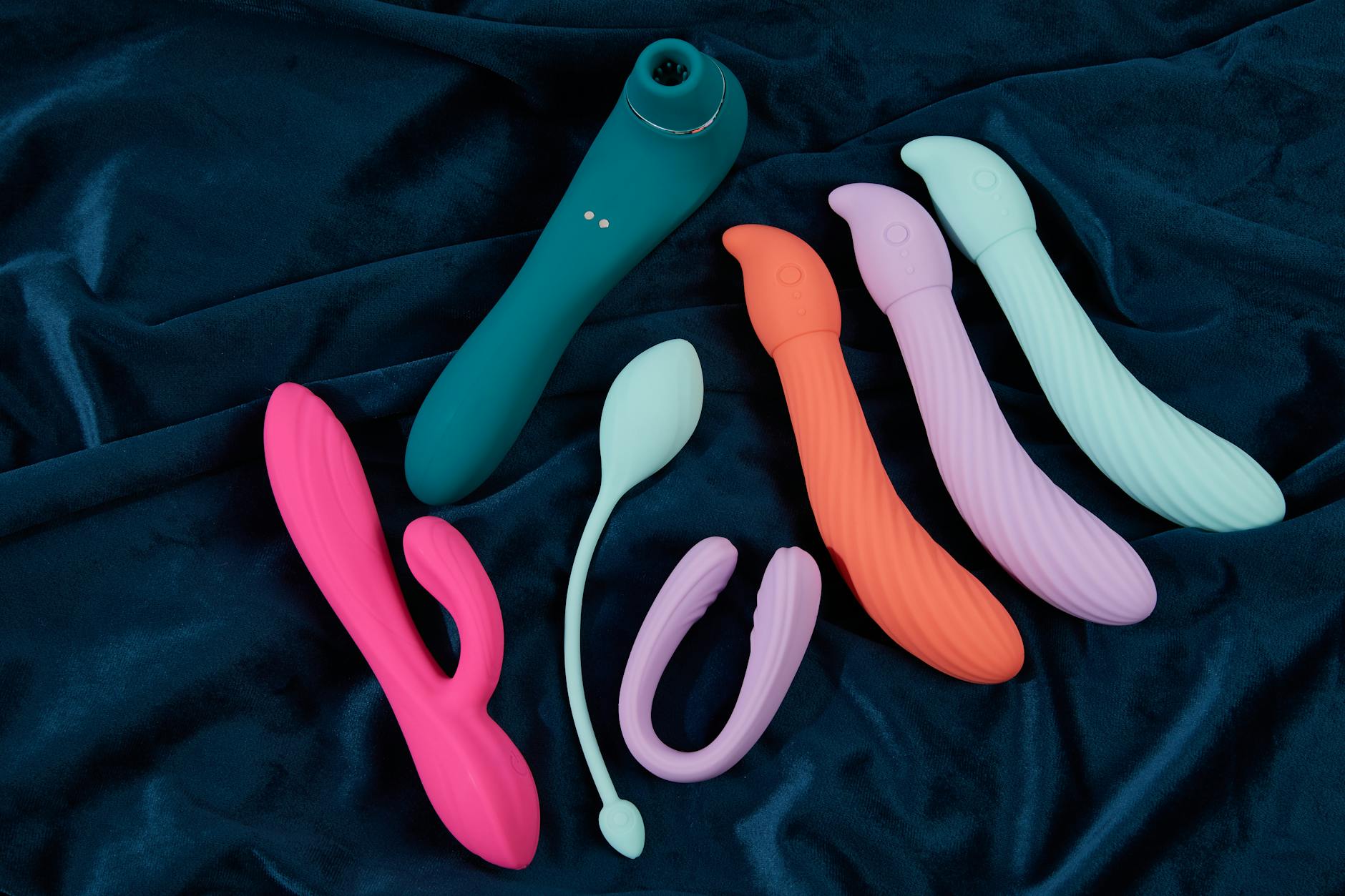
Hello Nancy makes several lemon clitoral vibrators and related options, each with a slightly different vibe. The Lemon itself is iconic—it's designed with couples in mind, with good ergonomics and a range of patterns that feel different enough that exploring them together is genuinely fun.
The Berri offers a more compact option if one of you prefers something that feels less intense or more portable. The Avocado is slightly larger and has different suction intensity if you both want something with more power.
None of these are the "wrong" choice. The right choice is the one where you both felt heard in the decision. If your partner wanted quiet and you picked the loudest option anyway, you've solved a product problem and created a relationship problem.
So the decision framework is simple: Which toy matches what you both said you wanted? If there's a mismatch, keep talking until you're actually aligned.
What happens after you buy it
This is where couples often fail. You open it, try it once, it feels weird because you're both nervous, and then it sits in a drawer.
Instead, give yourself permission to try it a few times before you decide if it's working. The first experience is almost always awkward. You're not sure about angle, pressure, timing. You're hyperaware that something's different. That's normal.
By the third or fourth time, most couples report it feels more integrated into their sex life. The novelty settles and the pleasure emerges.
Also, check in afterward. "What did you think?" isn't a test. You're gathering data so you can either lean in or troubleshoot. Maybe it needs a different angle. Maybe you want to use it at a different point in sex. Maybe one of you loved it and the other needs more time. All of that is information that helps you decide what happens next.
The long-term play
Some couples use a lemon vibrator occasionally, like spice in a meal they already enjoy. Others integrate it into most of their sex life. Both are fine. There's no "supposed to" here.
What matters is that you picked it together, you communicate about how it feels, and you both feel permission to ask for what you want. The toy is just the vehicle for that conversation.
If you're nervous about this whole thing, remember: wanting to explore pleasure together, even if it requires a product and some awkward conversations, is actually a sign that your relationship has room to grow. You're willing to be vulnerable. That's the hardest part. The lemon vibrator is just the easy part.
People also ask
Should we use a lemon vibrator if one of us is hesitant?
Not until you've talked through the hesitation. A reluctant partner isn't a partner who'll enjoy it, and forcing the issue creates resentment. Instead, ask what's driving the hesitation. Fear of inadequacy? Cost? Discomfort with sex toys in general? Each of those needs a different response. Sometimes a honest conversation is all it takes. Sometimes you need more time. Sometimes you need to let it go and revisit in six months.
What if we have different ideas about intensity?
Then you need a toy with a wide range of intensities and patterns, so each of you can start where you're comfortable. Most Hello Nancy lemon clitoral vibrators have multiple settings for this reason. You're not forced to choose between "too gentle" and "too intense." Instead, you both get to start at your own speed and adjust from there.
Can we use a lemon vibrator if we've never used a toy before as a couple?
Absolutely. Many couples's first toy experience is actually easier than solo exploration because you're both new at it together. There's no performance expectation and no comparison to past experiences. You're both learning what feels good at the same time, which is actually ideal.
How do we introduce the idea without making our partner think something's wrong?
Lead with curiosity, not criticism. "I've been thinking it might be fun to try exploring pleasure together in a new way" is different from "Our sex life needs fixing." One is an adventure. The other sounds like a problem diagnosis. Use the first language, mean the first thing, and you're likely to get a better response.
What if we buy one and never use it?
That happens. A toy that lives in a drawer isn't a failure. It's data. Either the moment didn't feel right, one of you got nervous at the last second, or it just didn't fit your actual sex life the way you imagined. That's okay. You tried. You can revisit in a few months or let it go. The attempt itself showed willingness to explore together, and that matters more than the outcome.
Is there an age where couples should stop using lemon vibrators?
No. Pleasure doesn't have an expiration date. If anything, midlife couples often find toys more useful because bodies change and what felt good at 25 might need adjustment at 45. Check out lemon vibrator sensitivity changes with age for more on how to adapt as you both evolve.
The real takeaway
Choosing a lemon vibrator as a couple is less about picking the right product and more about building the relationship skills that make good sex possible: honest communication, permission to want things, and the ability to ask for what you need without shame.
If you can navigate that conversation together, the toy is just a bonus. If you can't yet, the toy isn't going to fix that—but it might be the thing that opens the door to trying.
Start with the conversation. The rest follows.