
Let's name the actual fear
You want multiple orgasms. That's clear. What's less clear, and what you're probably not saying out loud, is that you're afraid of what happens after. Numbness. Soreness. The feeling that you've somehow broken your own pleasure by wanting it too much. And underneath that: the sense that there's something wrong with you for wanting more at all.
Here's what I know after years of working with people navigating pleasure and intimacy: the fear is not the problem. The lack of a plan is.
What actually happens to your body during back-to-back orgasms
First, let me separate fact from fiction. Your clitoris doesn't have a pleasure quota. You don't run out. The neurons that fire during orgasm don't deplete like a battery drains. Overstimulation is real, but it's not about quantity. It's about intensity without recovery.
Here's the physiology: after an orgasm, your clitoris becomes temporarily hypersensitive. This is called the refractory period. For some people it's 30 seconds. For others it's five minutes. The intensity of sensation needs to drop during this window, not vanish entirely. Many people skip this step and go straight from orgasm one into full-throttle pursuit of orgasm two. That's where the ache and numbness come in.
Using a lemon clitoral vibrator like the Lem means you have precision control. You can ride the edge of sensation without assault. This is the actual difference between multiple orgasms that feel transcendent and multiple orgasms that leave you tender and irritated.
The pacing protocol that actually works
Think of multiple orgasms less like a sprint and more like a conversation. You're not fighting for intensity. You're negotiating with your own nervous system.
Start with the lowest pattern on your Lem. Spend 5-10 minutes here. Let arousal build slowly. Your first orgasm should never feel rushed, even though you're thinking about what comes next. The quality of orgasm one directly affects your capacity for orgasm two.
After your first orgasm, lift the vibrator away completely for 60-90 seconds. Do nothing during this time. Breathe. Let sensation settle. This is not foreplay. This is recovery. Your clitoris is recalibrating.
Then return to the lowest pattern again, but this time on the outer edges of your clitoris, not the direct tip. The Lem's suction design is perfect for this because it doesn't require you to hold perfect pressure. You can breathe, move your hips, shift slightly. Arousal will build faster the second time around because your body already knows where it's going.
Second orgasm often arrives in 3-5 minutes if you pace it right. By then, most people notice it feels different. Sharper, more localized, sometimes shorter. That's normal. That's also information. Listen to what your body is telling you instead of chasing a replica of the first experience.
When to stop, and why knowing this is power
Honestly though: two orgasms is often the biological ceiling before discomfort enters. Some people can chain four or five without issue. Some people feel complete after one and pursuing more creates tension instead of pleasure.
There's no moral value in the number. The goal is feeling good, not hitting a target. If after two orgasms your clitoris feels tender, stop. If you're chasing a third because you think you should rather than because you want to, stop. The ability to recognize your own limit and actually respect it is rarer and more powerful than the ability to have multiple orgasms.
Many people I work with discover that once they remove the pressure to prove something with quantity, they actually enjoy fewer, deeper orgasms more. Permission to stop is permission to enjoy what you have.
The recovery window: what comes after matters
You've had your orgasms. Now what? Don't jump into anything. Rest for 10-15 minutes with minimal stimulation. Some people like continued gentle touch from a partner or their own hand. Some people need complete stillness. Both are fine.
The day after multiple orgasms, the tissue will likely feel slightly tender for a few hours. This is normal, minor, and resolves quickly. If tenderness persists beyond 24 hours, you've gone too hard and need to dial back intensity or frequency next time.
This is why building multiple orgasms into a longer session, maybe once or twice a week, works better than daily pursuit. Your body needs recovery time between sessions, not just between orgasms.
The shame part nobody talks about
Here's the thing that surprised many of my clients: once they had a reliable way to experience multiple orgasms without pain, the bigger barrier became internal. The feeling that wanting this much pleasure was somehow selfish, greedy, or unfeminine.
It's not. Desire for your own pleasure is not the same as desire for harm. The fact that you want to feel good multiple times is not character evidence. It's just evidence that you have a nervous system.
If you're in a relationship, wanting multiple orgasms doesn't mean anything about your partner's adequacy. It means you're learning your own body. If you're solo, it means you're taking yourself seriously. Both are worth doing.
Many people find that practicing solo with their Lem first removes a lot of performance pressure. You learn what your pace is, what patterns work, what recovery time you actually need. Then if you want to incorporate this into partnered sex, you're not figuring it out in real time while someone's watching.
When sensation still feels numb: troubleshooting
You've paced perfectly, taken recovery breaks, and your clitoris still feels like it's behind glass. This usually means one of three things.
One: you're using too high an intensity setting. The Lem has multiple patterns for a reason. Try patterns 2-4 instead of jumping to 7 or 8. Lower intensity often produces cleaner, sharper sensation.
Two: you're not taking long enough between sessions. If you're attempting multiple orgasms three days in a row, your tissue needs rest. Space these out.
Three: there's something else going on. Medication side effects, hormonal changes, stress, or relationship tension can all dull sensation. If numbness persists across weeks and feels disconnected from what you're doing physically, that's worth talking to a healthcare provider about. A lemon vibrator is a brilliant tool, but it's not a diagnostic device.
The mental game
One last thing I want to name: the voice in your head that says you're doing this wrong. That multiple orgasms are supposed to feel a certain way. That if they don't, you've failed.
Ignore it. Your body is not a benchmark. It's a person. What works for someone else's nervous system might not work for yours, and that's not a deficit. Using a Lem vibrator with intention, respect for your refractory period, and genuine curiosity about your own pleasure is the opposite of reckless. It's careful. It's smart. It's exactly what you should be doing.
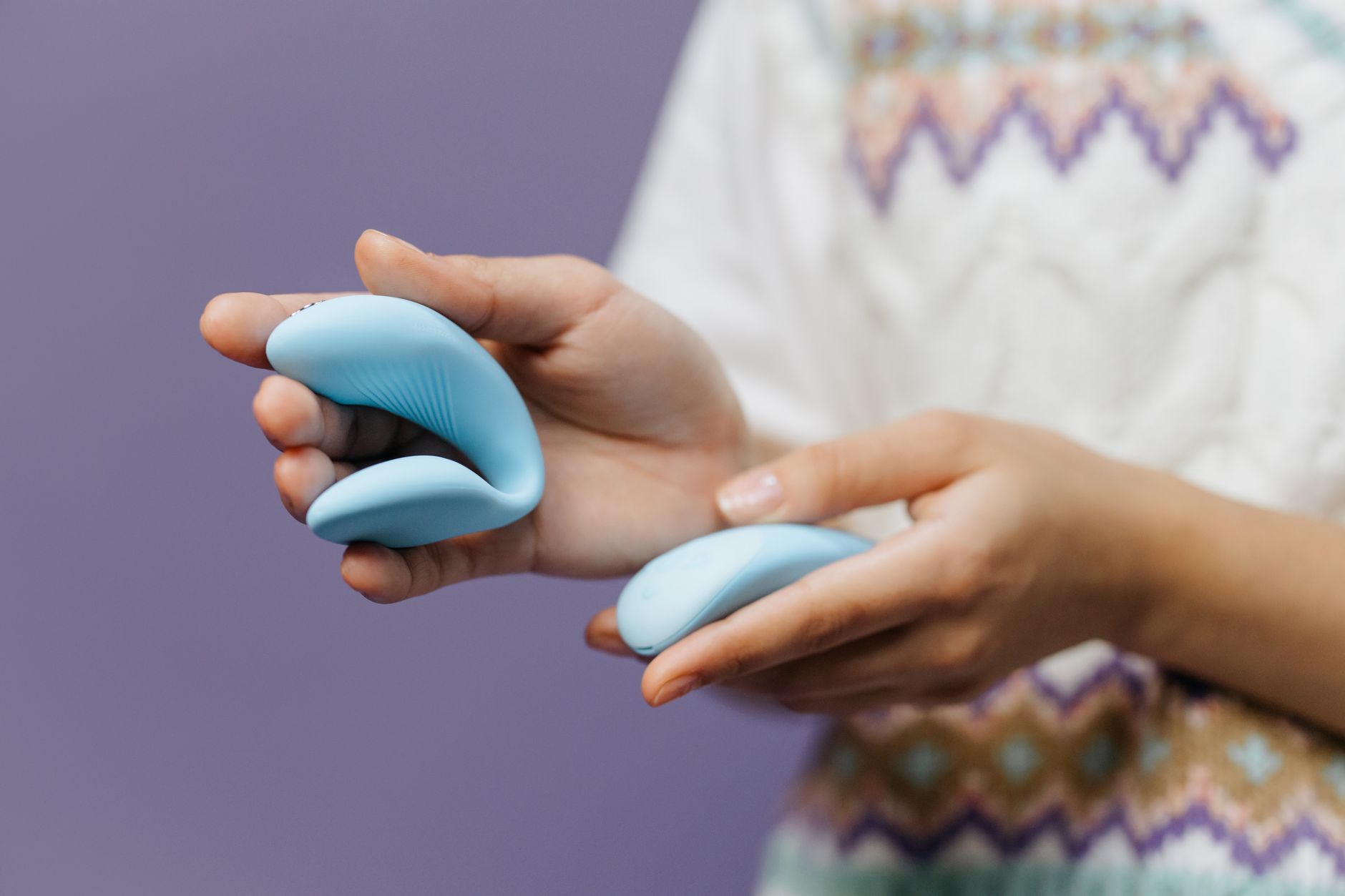
Photo by cottonbro studio on Pexels
People also ask
How long should I wait between orgasms when using a lemon clitoral vibrator?
Wait 60-90 seconds minimum after your first orgasm before returning to stimulation. During this time, keep the vibrator off. After your second orgasm, wait at least 5-10 minutes before attempting a third if you're pursuing that. The key is complete sensory silence, not reduced intensity. Let your clitoris truly reset before reintroducing sensation.
Can using the Lem vibrator multiple times give you lasting numbness?
Temporary sensitivity changes after multiple orgasms are normal and resolve within hours. Lasting numbness doesn't come from the vibrator itself. It comes from ignoring your refractory period and pushing through discomfort repeatedly. If you respect recovery windows and use lower intensity settings, your sensation will remain sharp. Persistent numbness across days usually points to something else: medication, hormonal shifts, stress, or overuse patterns outside the window of a single session.
Is it normal for multiple orgasms to feel weaker than a single orgasm?
Completely normal. Your first orgasm is usually the strongest because you've built the most arousal. Subsequent orgasms often feel different. Not worse, just different. More localized. Shorter. Sometimes more intense in a different way. The expectation that every orgasm should feel identical is what creates disappointment. If you're comparing orgasm three to orgasm one, you're guaranteed to feel letdown.
Should I use the same pattern setting for all multiple orgasms?
No. Start low, then drop even lower after your first orgasm. Your sensitivity is elevated, so lower intensity often produces cleaner sensation. You can gradually increase through subsequent orgasms if you want, but many people find that staying in the lower ranges prevents overstimulation altogether. Experiment and notice what feels best to your body, not what you think should feel best.
What if my partner wants to help but I'm worried about them not understanding the pacing?
Communicate before you start. Show them the Lem, explain your refractory period, tell them the specific moment you need them to stop. Many partners appreciate having clear direction because it removes guesswork. If you're worried about them understand, you might explore solo first with your Lem to map out your own timing, then bring that knowledge into partnered exploration. You're the expert on your own pleasure.
Can you have multiple orgasms if you have difficulty reaching even one?
Usually, yes. But the approach is different. You're not building toward quantity yet. You're building toward reliability. Using a tool like the Lem specifically designed for clitoral suction often makes that first orgasm easier to access. Once you have one orgasm you can count on, multiple orgasms become a conversation worth having. Start there.
The actual goal
Multiple orgasms are not a requirement or a metric of sexual health. They're one flavor of pleasure among many. Some of my clients find that the pursuit of multiple orgasms taught them more about their own body and boundaries than anything else. Others tried it, decided it wasn't their thing, and felt relief in that clarity.
Either way, you get to decide. The Lem vibrator gives you precision and control so that whatever you decide, you're doing it with intention rather than accident. And that matters.
If you have questions about your body, your pleasure, or how to navigate this with a partner, we're here to help. Reach out anytime.