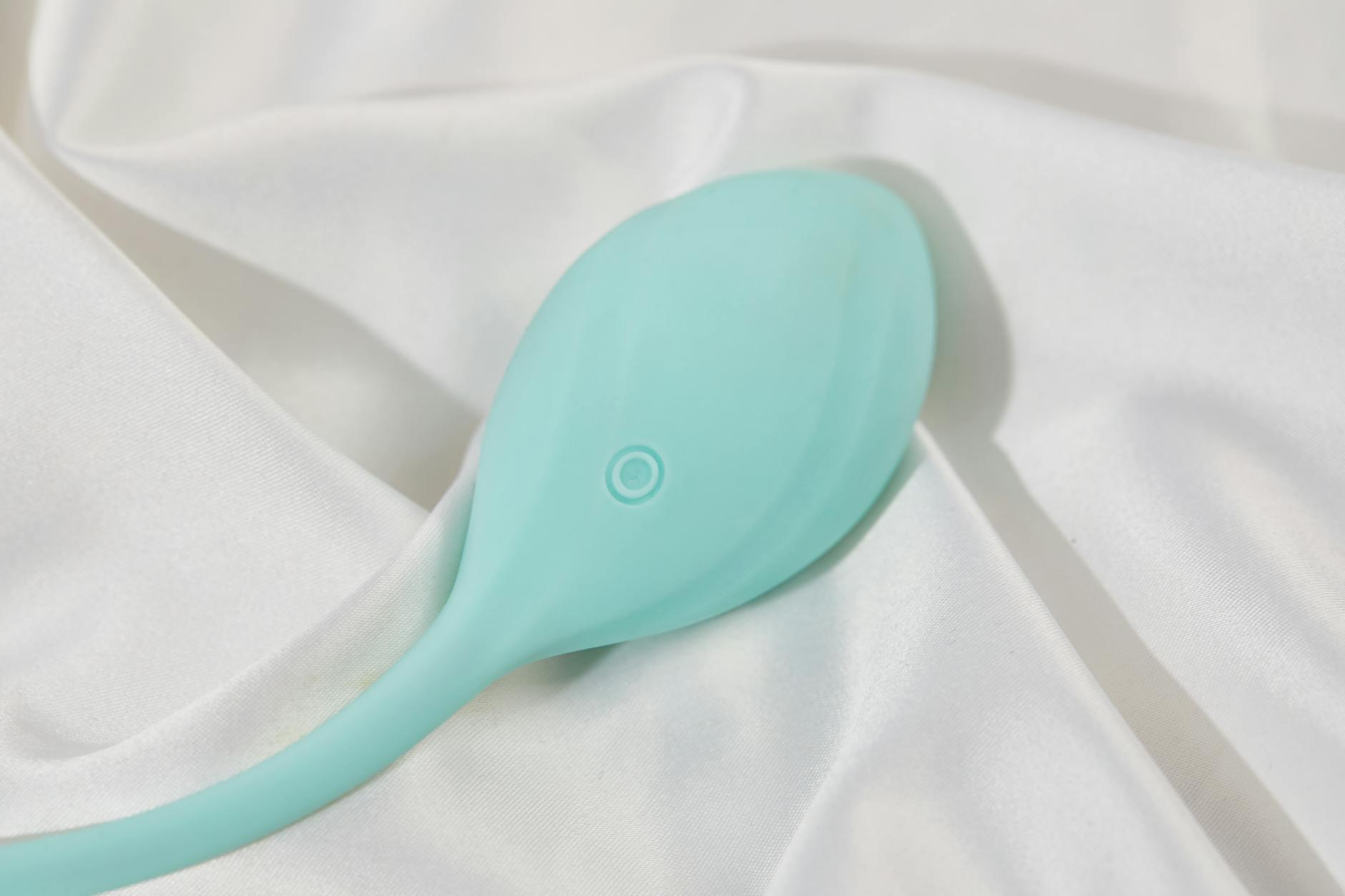
The stress-arousal problem no one talks about clearly
Let's be real. When your nervous system is flooded with cortisol, your body has zero interest in pleasure. This isn't a mood problem or a partner problem. It's biology.
Stress activates your sympathetic nervous system (fight-or-flight mode). Arousal requires your parasympathetic system (rest-and-digest mode). You literally cannot have both running at full volume simultaneously. Your brain will shut down arousal signals to prioritize survival mode, and that's actually smart design. The problem is that modern stress never fully resolves, so arousal stays trapped offline.
This is where clitoral vibrators change the equation. A lemon vibrator (especially one with suction technology like the Lem) can help hijack your nervous system by providing such direct, consistent stimulation that it interrupts the stress loop and forces your brain into pleasure mode. It's not magic. It's neurochemistry.
Why stress specifically kills arousal faster than other emotions
Anxiety and stress trigger cortisol and adrenaline floods. Both of these hormones do useful things in short bursts. But when they stay elevated (which they do for most of us for most of our lives), they actively suppress dopamine and serotonin production. Those are your pleasure chemicals.
Meanwhile, your body's lubrication response, genital blood flow, and clitoral sensitivity all get deprioritized when cortisol is running the show. You might feel desire intellectually. Your body won't cooperate.
That's where the distinction between mental arousal and physical arousal matters. A lemon vibrator targets physical arousal directly. It doesn't care that you're thinking about your email inbox. The suction and pulsation provide enough mechanical stimulation that your body's pleasure response can begin to override the stress signal.
The neuroscience of why lemon suction vibrators work better under stress
Traditional vibrators provide consistent vibration, which is good. But suction-based vibrators like a lemon clitoral vibrator create a different neural pathway. The suction sensation stimulates the clitoris without requiring the same level of mental focus. You don't have to "be present" to the same degree.
This is actually important when you're stressed. Presence is hard when cortisol is high. But rhythmic suction bypasses that. Your nervous system recognizes the pattern and begins responding automatically. Over 3-5 minutes, many people report that their stress-scrambled brain finally quiets enough for genuine arousal to build.
The clitoral vibrators with suction technology also require less friction pressure than traditional vibrators. If you're tense from stress (and your pelvic floor is definitely tense), that lower-pressure approach means less pain and faster response.
How to set up a stress-resistant pleasure practice
First, accept that you might not feel aroused walking into this. That's normal. You're not trying to cultivate desire. You're trying to trigger a physiological response that will eventually open the door to desire.
Here are the setup steps that actually work:
Pick a time when stress is slightly lower. Early morning before email, or after one good cup of coffee. Not when you're in active crisis mode. Your nervous system needs at least a small runway.
Use water-based lubricant generously. When you're stressed, your body is less likely to self-lubricate. This isn't a sign you're broken. Lubrication is a mechanical requirement here, not a sign of desire. Add more than you think you need.
Start at intensity level 2 or 3 on your lemon vibrator. Under stress, high intensity can feel jarring rather than pleasurable. Begin where it feels like gentle pressure, not overwhelming sensation. You can increase in 30-second intervals.
Set a 15-minute minimum. Your stressed nervous system needs time to transition out of fight-or-flight. Most people report that orgasms feel distant in the first 5-7 minutes, then suddenly accessible. This is your parasympathetic system coming online.
The warm-up that bypasses your cortisol brain
Instead of trying to mentally "get in the mood," use a technique I call pattern building. This is where you run the lemon vibrator on pattern 1 or 2 for a full minute without any expectation of arousal. You're not trying to feel anything yet. You're just training your body to recognize "this is pleasure time."
After the pattern-building minute, move to the area just above the clitoris for 30 seconds. Then gently to the side. Your goal is to map the stimulation across the vulva in a slow circuit, taking 2-3 minutes total. You're not seeking an orgasm yet. You're creating a rhythm your nervous system can predict.
Only after this 3-4 minute setup should you focus stimulation directly on the clitoris. By then, most people report that stress chatter has quieted noticeably. The dopamine system is waking up.
When stress-blocking is a sign you need outside help
If you're consistently unable to reach orgasm even with direct clitoral stimulation from a lemon vibrator, and this is new for you, stress might not be the only factor. Antidepressants, hormonal birth control, or other medications can also suppress sexual response. So can untreated anxiety or depression.
Similarly, if the stress is relational (conflict with a partner, for example), a vibrator helps with the physical sensation but doesn't solve the emotional block. That needs a different approach. In my practice, I often recommend that people address both the nervous system piece (the vibrator, the warm-up, the rhythm) and the relational piece (communication, couples work, boundary-setting) in parallel.
The reset-and-practice angle most people miss
Here's something counterintuitive: using a lemon vibrator regularly, even when you're not seeking orgasm, trains your nervous system to recognize pleasure as possible during stress. It's a kind of somatic retraining.
If you use your lemon clitoral vibrator once or twice a week purely for the rhythm and sensation (not outcome-focused), your body starts to expect pleasure in that context. Over time, this lowers the cortisol threshold required for arousal to activate. You're basically telling your nervous system that pleasure is a legitimate activity, not a luxury that only happens when life is perfect.
Most people who practice this report that they can reach orgasm faster, and with less stress interference, within 4-6 weeks. Not because the vibrator changed. Because their nervous system's expectations shifted.
Why breathing matters more than you'd think
Your breath is the one autonomic function you can actually control. When you're stressed, breathing is shallow and fast. Arousal requires deeper, slower breathing. A lemon vibrator doesn't fix your breathing, but the rhythm of the stimulation can help anchor it.
My recommendation: spend the first 2-3 minutes of stimulation focusing 50% on the sensation and 50% on gradually slowing your breath. Count breaths. Aim for 4-5 second exhales. This alone will shift your nervous system state measurably. Add the vibration on top of that, and the combination is remarkably effective.
Once your breath settles, your nervous system begins to believe that you're safe enough for pleasure. That's when arousal becomes possible.
FAQ: stress, vibrators, and faster orgasms
Can a lemon vibrator actually speed up orgasm if I'm having a panic day?
Partially. If you're in acute panic, arousal is nearly impossible regardless of tool. But on days when you're chronically stressed rather than acutely panicked, a lemon suction vibrator can help. The pattern and rhythm interrupt the stress loop enough to allow arousal to begin building.
How often should I use a lemon vibrator for stress relief if I'm trying to retrain my nervous system?
2-3 times weekly is the sweet spot. More than that becomes routine (your nervous system adapts). Less than that and the retraining effect weakens. Consistency matters more than frequency.
Does the suction feature on a lemon clitoral vibrator matter more when stressed?
Yes, slightly. Suction provides stimulation without requiring intense pressure, which is helpful when your pelvic floor is already tense from stress. But even a basic vibrator can work if suction isn't available. The rhythm and consistency matter more than the specific mechanism.
Should I use a lemon vibrator during or after stress, or only when I'm calm?
Both work, but differently. Using a vibrator after stress has peaked helps your nervous system transition out of fight-or-flight. Using one during low-stress periods trains your body that pleasure is possible. Ideally you're doing both.
What if my partner is stressed and doesn't want to have sex?
A vibrator is solo, which changes the dynamic. It's not a replacement for partnered intimacy, but it can help them access their own pleasure and nervous system regulation independently. Some couples find that personal pleasure practice actually improves partnered sex because both people's nervous systems are less flooded.
Can regular lemon vibrator use actually lower my baseline cortisol?
Not directly. But it can help train your nervous system to shift into parasympathetic mode more easily, which over time may help you manage stress better. Think of it as a nervous system practice tool, not a cortisol cure.
The bottom line
Stress doesn't kill your capacity for pleasure. It just makes the pathway harder to find. A lemon vibrator, used with a slower pace and intentional warm-up, helps you bypass the stress static and access arousal that feels otherwise unavailable. It's not about intensity or speed. It's about creating conditions where your stressed nervous system finally feels safe enough to let pleasure through.
If you're consistently struggling with arousal during stressful periods, start here. The combination of rhythm, direct stimulation, and nervous system retraining is powerful. And if stress continues to block you even with these tools, that's valuable information for a therapist or counselor. Sometimes the body is trying to tell you something worth listening to.