Here's the thing about emotional distance: it doesn't just live in your mind or your conversation. It lives in your body. When there's been a rupture in a relationship—prolonged conflict, betrayal, years of unmet needs—your nervous system learns not to trust connection. And that gets coded into your physical response. You stop feeling pleasure easily. Your body doesn't relax into touch. Arousal becomes almost impossible, even when you want it.
When we've been hurt—especially repeatedly or over time—the body builds a protective barrier. Your pelvic floor tightens. Your nervous system stays in a low state of alert. Touch that should feel good instead feels invasive or too much. This isn't dysfunction. It's your body doing exactly what it learned to do: protect itself.
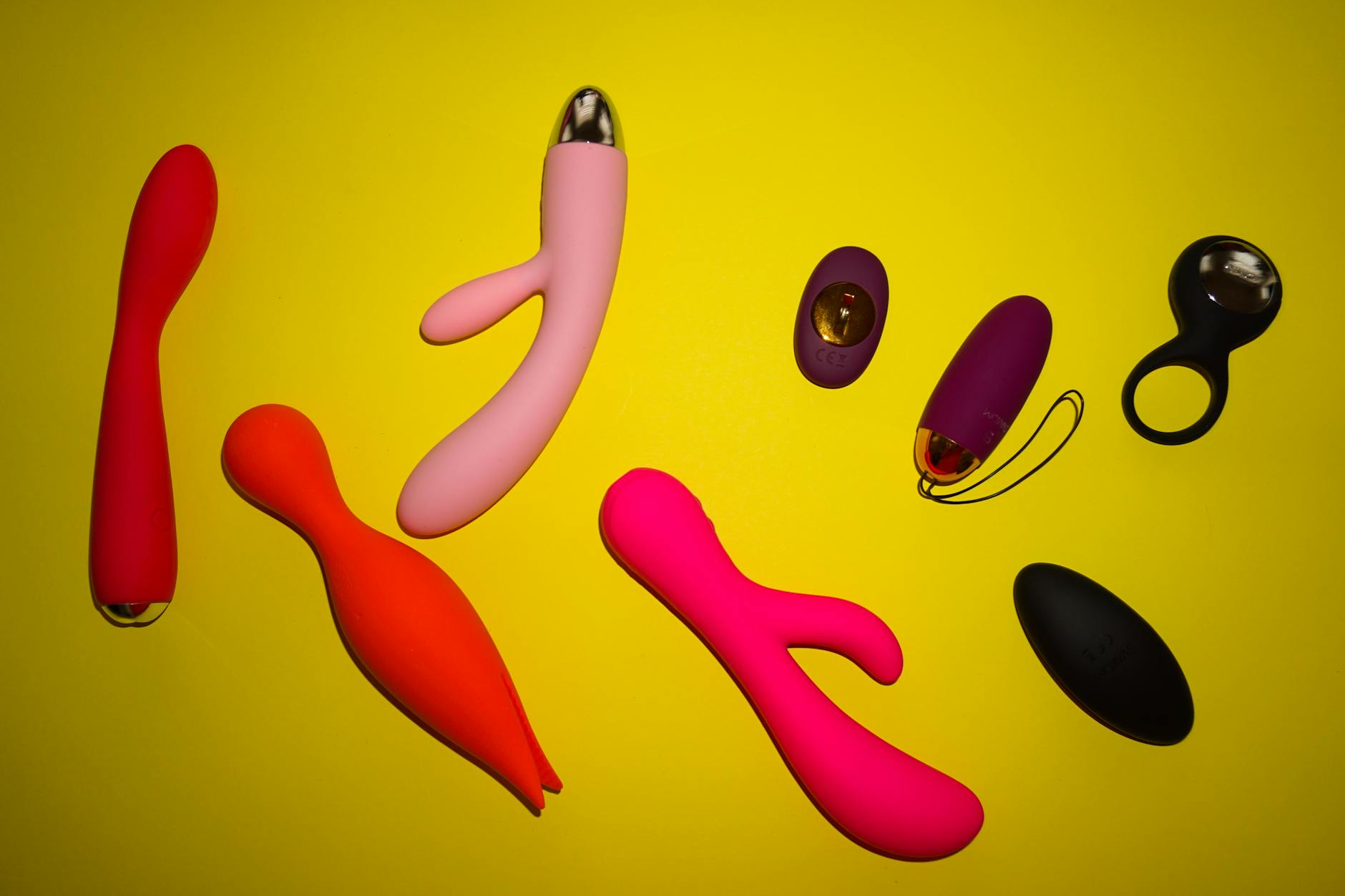
A lemon vibrator works differently here than it does when sensation is just numb from medication or age. With emotional disconnection, the vibrator becomes a tool for remapping your own body as safe. It's about rebuilding your relationship with your own pleasure, separate from anyone else's expectations or history.
The suction sensation of a lemon clitoral vibrator is particularly valuable here because it's consistent, predictable, and entirely under your control. No surprises. No one else's timing. Just steady, reliable sensation that your nervous system can gradually learn to trust.
If you're coming to this from a place of real disconnection, the first rule is: don't rush toward pleasure. That sounds backwards, but it's true. Your nervous system needs permission to feel safe in your own body first.
Start with the lowest intensity settings. The Lem at pattern one is soft enough to feel like an introduction, not a demand. Spend 10-15 minutes just getting used to the sensation. You're not trying to orgasm. You're trying to remember that touch doesn't have to hurt or overwhelm.
Many people in this situation report that the first few sessions feel almost clinical. That's fine. You're rebuilding the wire between sensation and trust. That takes time.
Solo exploration when you're emotionally disconnected isn't selfish. It's essential. Here's why: when you're alone, there's no one to perform for. No one to worry about disappointing. No one else's body or needs taking up space in your mind. That removes the second-guessing and the anxiety that blocks pleasure.
Set a time when you won't be interrupted. 30 minutes, preferably. Create something that feels intentional—light candles, change the sheets, turn your phone off. This isn't about creating a fantasy scenario. It's about signaling to your nervous system: this time is for me.
When you use a lemon clitoral vibrator in this context, you're slowly rewiring the association between physical sensation and safety. Each time you finish, even if you didn't orgasm, you've proven to your body that pleasure is possible without threat.
Some people find that arousal itself—the physical sensation of blood flow, swelling, heat—actually triggers anxiety when they've been emotionally traumatized. The body is aroused but the mind is in fight-or-flight. This feels awful and contradictory.
If this happens to you, slow down even more. Go back to patterns one or two. Breathe slowly and deliberately. If you need to stop, stop. You're not failing. You're listening to your nervous system, which is the whole point.
Over weeks and months of solo practice with a lemon vibrator, many people find that arousal becomes associated with safety and choice again, rather than danger.
Once you've spent weeks doing the solo work, you might want to involve your partner. This is delicate territory. If you're going to bring a lemon clitoral vibrator into partnered sex, frame it clearly: this is about you enjoying your own body and your partner witnessing that, not about them fixing you or proving something.
Many couples find that incorporating a Lem changes the dynamic because suddenly the pressure shifts. Your partner doesn't have to be the sole source of your pleasure. They can relax. You can relax. Pleasure becomes something you're both participating in, rather than something one person has to produce.
Start with them just present. Use your lemon vibrator while they're there, but the pleasure isn't about them. Gradually, if you want, they can be more involved. But only when it feels good, not obligatory.
If your relationship has emotional distance, there's usually been some communication breakdown too. Using a lemon vibrator isn't going to fix that. But it can give you something concrete to talk about.
Instead of "we need to fix our sex life," you might say: "I've been working on rebuilding my own pleasure alone, and I want to share that with you when I'm ready." That's honest. That's vulnerable. And it opens the door without demanding anything.
If your partner responds with defensiveness or rejection, that's information too. That tells you something about whether reconnection is actually possible in this relationship, or whether you need professional help from a therapist or couples counselor.
Rebounding from emotional distance isn't fast. You might use a lemon vibrator solo for two months before you feel genuinely aroused rather than just going through motions. That's normal. Your nervous system didn't disconnect in a week, and it won't reconnect in one.
But here's what usually happens: somewhere in week three or four, a lot of people report that sensation starts feeling different. Not necessarily more intense, but more real. Like your body is actually present again, rather than observing from a distance.
Pleasure is the body's way of saying it feels safe. If it doesn't feel safe yet, a lemon vibrator gives you the chance to rebuild that safety alone, on your own timeline.
If you're working with a clitoral vibrator solo for three months and still feeling completely numb, or if the emotional distance in your relationship feels unbridgeable, that's the sign you need a therapist, not a better vibrator.
A Lem vibrator can help rebuild sensation and autonomy. It cannot fix trauma, repair a fundamentally broken relationship, or force someone who isn't willing to do the work. Knowing the difference is crucial.
Yes, but indirectly. When you rebuild your own capacity for pleasure and your sense that your body is safe, you bring that groundedness into the relationship. You're less desperate or anxious. You're more yourself. Partners often respond to that shift. But the vibrator itself isn't the bridge back to them—your own nervous system recovery is.
That reaction usually signals that the emotional distance isn't just physical. A partner who sees solo pleasure as a threat is often dealing with their own insecurity or control issues. If they're willing, couples therapy can help both of you understand what's underneath that. If they're not, you might need to decide whether you want to stay in a relationship where your own pleasure is considered a betrayal.
Emotional numbness usually comes with other signs: you feel distant from your partner generally, not just sexually. There might be unresolved conflict or hurt. You might feel anxious about intimacy in ways that don't make logical sense. Low libido (from medication, stress, or age) typically doesn't come with that emotional charge. If you're unsure, a therapist can help you untangle it.
Absolutely. In fact, reconnecting with solo pleasure is especially important if you're facing the end of a long relationship. It reminds you that your capacity for sensation and joy isn't dependent on that one person. It's part of rebuilding yourself.
Yes. It's called "performance anxiety" or "pressure to respond" and it's incredibly common, especially after emotional distance. The solo work with a lemon clitoral vibrator can actually help here because it separates pleasure from performance. Once your nervous system knows you can feel good in a low-pressure context, some of that shifts into partnered sex too—though it usually takes time.
No. A Lem vibrator is a tool for reconnecting with your own body and nervous system. Emotional reconnection requires your partner to be willing to do the work too: listening, taking accountability, rebuilding trust. If they're not willing, the vibrator can at least help you stay embodied while you figure out what comes next.
Rebuilding physical connection after emotional distance is slow, gradual work. There's no performance metric. Some sessions with your lemon vibrator will feel amazing. Others will feel like nothing. Both are okay.
The real win isn't the orgasm. It's the moment you realize your body feels like yours again. When sensation stops being scary and starts being information. When you can touch yourself without the weight of your relationship history in the background.
Once you're there, everything else—pleasure, partnered intimacy, trust—becomes possible again.
Ready to explore what reconnection looks like for you? Get in touch and we can talk through your specific situation.