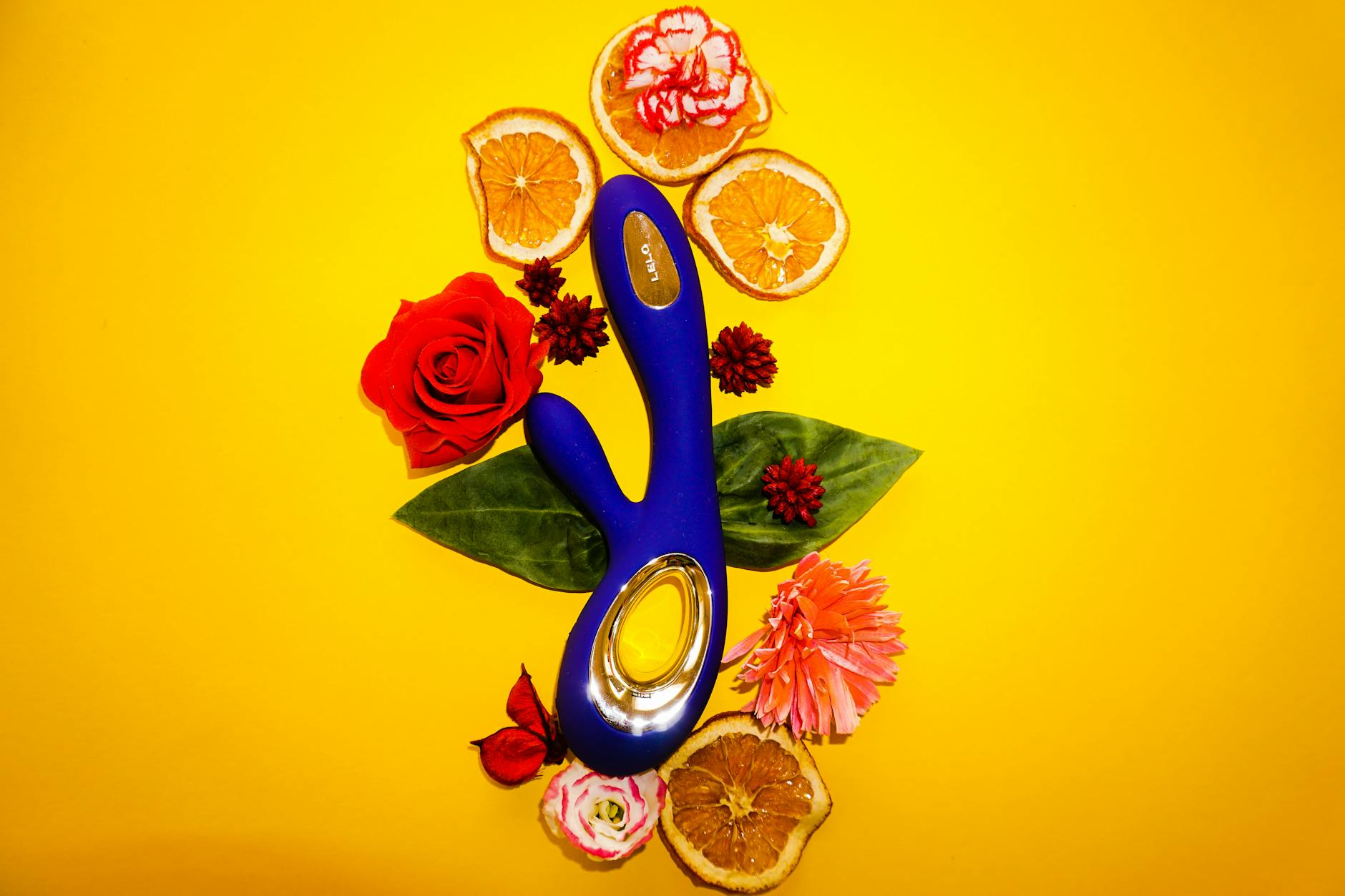
Let's start with the real thing
Anxiety about masturbation isn't weakness or sexual dysfunction. It's a completely normal response to cultural, religious, or family messaging that taught you your pleasure was either shameful, selfish, or wrong. That messaging doesn't disappear just because you're an adult now. It lives in your nervous system.
I work with clients weekly who desperately want to explore solo pleasure but hit a wall the moment they're alone with their own body. Some feel guilty. Some feel watched, even though no one's there. Some feel like it's "cheating" on a partner, or that wanting time with themselves means something is broken in their relationship. Others were taught that good girls don't, and that voice still runs the show at 35.
The good news: anxiety is learnable, which means it's unlearnable too.
Where the anxiety really comes from
Anxiety about masturbation usually isn't actually about masturbation. It's about one of three things.
First, internalized shame. You were told (explicitly or implicitly) that your body's desires were wrong. That message got encoded early, and now your nervous system treats solo pleasure like danger. Your brain is trying to protect you from something it learned was unsafe. That's not a moral failing. That's just how nervous systems work.
Second, permission. Many people, especially women, were never given explicit permission to have solo pleasure. Sex, in the cultural script they learned, was something that happened to them or for someone else. The idea of pleasure that exists purely for themselves feels alien. It can feel selfish, even though it absolutely isn't.
Third, performance pressure from partnership. If your partner initiates most sex, or if you've spent years making sure their pleasure comes first, solo pleasure can feel like admitting something is missing. You might worry that wanting time alone means you're rejecting them, or that your body will compare what you do for yourself to what happens with a partner.
None of these are your fault. They're just the layers you're working with.
Why anxiety shows up in your body
When you're anxious about pleasure, your nervous system doesn't get the signal to relax. Arousal requires parasympathetic activation. You can't be in fight-or-flight and genuinely open at the same time. So you might start touching yourself, feel the anxiety spike, and then freeze or quit.
This isn't failure. Your body is doing exactly what it's supposed to do. But it means that willpower alone won't work. You need to discharge the anxiety first.
That's actually where a tool like the Lem Vibrator helps in a way that's different from your hands. The suction pattern is rhythmic and consistent. It gives your nervous system something concrete to focus on, which interrupts the anxiety loop. You're not thinking about whether it's okay or whether you're doing it right. You're just feeling the sensation. That sensory focus is where the retraining happens.
Start with permission, not pressure
Before you touch the Lem Vibrator or your body, you need to give yourself explicit permission. Not the kind where you intellectually think, "Okay, I guess this is fine." The kind where you actually sit with the idea and notice what comes up.
Sit somewhere private. Take three deep breaths. Then say out loud: "I deserve solo pleasure. My pleasure is not selfish. My pleasure is not wrong."
Notice what happens. Do you feel relief? Guilt? Anger? Discomfort? All of those are information. If you feel guilt, that's the conditioning talking. That's not truth. That's just habit.
Repeat that permission statement a few times over the next few days, especially at night when anxiety is quietest. You're not trying to force belief. You're trying to introduce a different message to the system that's been running the old one.
Create the conditions for your nervous system to relax
Anxiety thrives in uncertainty and rushing. So the setup matters more than you think.
Block real time. Not 15 minutes squeezed between errands. An hour where you know you won't be interrupted. Anxiety about someone walking in is anxiety about pleasure. Remove that variable.
Dim the lights or light a candle. Low light signals to your nervous system that you're safe. Bright overhead lights keep you in vigilant mode.
Put your phone in another room. The buzz of notification is cortisol. You don't need it.
Consider sound. Some people use music or white noise to create a container. Some people need silence. Experiment. The point is intentionality, not performance.
Breathe before you start. Five slow breaths in, longer exhales out. This activates your parasympathetic nervous system and tells your body it's safe to relax.
You're not being precious. You're creating conditions where your nervous system can actually shift out of defense mode.
How to use the Lem when anxiety shows up
Start on the lowest setting. The Lem has multiple patterns, but when anxiety is high, simple is better. Your nervous system needs predictability.
Hold the device and just let it sit for a moment. Feel the sensation without pushing toward anything. This is the retraining part. You're teaching your body that pleasure can exist without performance, without rushing, without an outcome you need to achieve.
If anxiety spikes mid-session, don't ignore it. Turn the Lem off. Breathe. Notice: what specifically triggered it? Was it a thought? A physical sensation? A memory? Get curious instead of judgmental.
Then, if you want to, restart. There's no rule that solo pleasure has to look like a straight line to orgasm. Sometimes it's five minutes of sensation and stopping. Sometimes it's coming back to it three times over a week. You're not failing. You're rewiring.
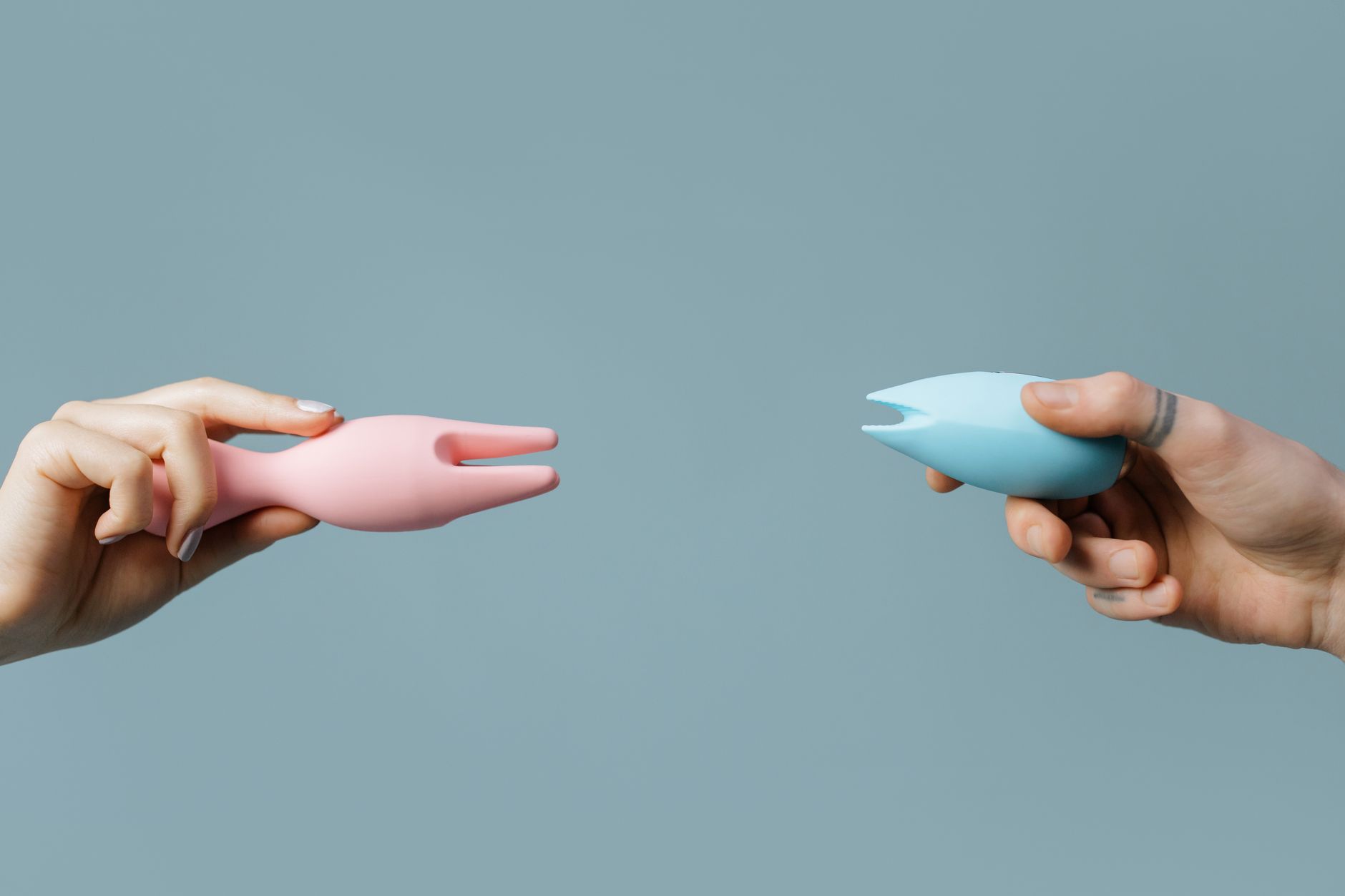
Photo by cottonbro studio on Pexels
Most importantly: you don't have to reach orgasm for this to count as success. The goal is reconnection. Pleasure. Proving to yourself that your body is yours and deserving of good things. An orgasm is a bonus, not the baseline.
What happens when anxiety and arousal collide
Here's something I tell clients that usually lands: anxiety and arousal live in different parts of your nervous system. They can't both run at full volume simultaneously. So when you're using the Lem and anxiety starts, you're literally in a negotiation between two systems.
Your job is to make arousal louder than anxiety. That doesn't mean forced or aggressive. It means patient. Slow. Consistent.
One thing that helps: narrate what's happening in your body without judgment. "I notice my shoulders are tight. I'm going to breathe and relax them." "I feel pleasure building in my clitoris." "I'm noticing anxiety but I'm choosing to stay here." This keeps you in your body instead of in your head where anxiety lives.
Another thing: if you're in a relationship, sometimes solo anxiety decreases if your partner knows what you're doing and actively supports it. Not in a "let me watch" way, unless that's what you want. Just in a "your pleasure matters to me, including when it's alone" way. When partnership anxiety is high, that external permission can matter enormously.
The reframe that actually works
Here's what I want you to know: your anxiety about solo pleasure isn't a sign you shouldn't be doing it. It's a sign that you need to. It's actually an invitation to reclaim something that's yours.
Every time you sit down with the Lem despite the anxiety, you're rewriting the neural pathways that learned to treat your pleasure as dangerous. You're not being selfish. You're being defiant in the best way. You're claiming yourself back.
This doesn't happen overnight. Nervous systems are slow to change. But with repetition, with permission, with the right conditions and the right tool, the anxiety decreases. Your body learns that solo pleasure is safe. That you're safe. That you deserve this.
If you find that anxiety is persistent and persistent use of the Lem isn't shifting it, that's valuable information too. It might mean you'd benefit from working with a therapist who specializes in sexual anxiety. There's no shame in that. Sometimes we need professional support to rewire what culture installed early.
FAQ
Why do I feel guilty about solo pleasure even though I logically know it's healthy?
Guilt isn't logical. It's encoded in your nervous system, often from messages you received before you had critical thinking skills. Your rational brain knows pleasure is healthy. Your survival brain learned it was wrong. That disconnect is completely normal and very treatable. The more you practice solo pleasure in a supportive way, the more your nervous system updates that old rule.
Does using a clitoral vibrator like the Lem make solo pleasure less "real" than using my hands?
There's no hierarchy of authenticity in pleasure. A tool doesn't make the experience less real. If anything, the Lem can help anxiety-prone nervous systems relax because the consistent stimulation prevents the rushing and performance pressure that hands sometimes trigger. Your body's pleasure response doesn't care whether it's coming from a vibrator or your fingers. What matters is that you're reconnecting with sensation.
Will solo pleasure with the Lem change how I experience pleasure with a partner?
Not in a bad way. Usually the opposite. When you know how to give yourself pleasure, you have more information to share with a partner. You're less dependent on them to figure out your body. You're also less in your head wondering if things are working. That usually makes partnered sex better, not worse. Some couples find that solo exploration with tools like lemon vibrators actually brings them closer because it removes performance pressure.
How often should I use the Lem when I'm working through anxiety about solo pleasure?
There's no rule. Some people find that once a week in a low-pressure context helps their nervous system relax. Some people do it more often. The marker isn't frequency, it's whether you're approaching it with permission and curiosity rather than obligation. If using the Lem starts to feel like another task you're failing at, ease off and just breathe for a few days. This isn't about achievement.
What if I use the Lem and still don't orgasm?
Orgasm is not the goal when you're working through anxiety about solo pleasure. Pleasure is the goal. Sensation is the goal. Proving to yourself that your body is yours is the goal. An orgasm is a potential bonus outcome, not the point. If all you do is sit in your own presence with a tool designed for pleasure and feel safe, that's massive progress.
Can I use the Lem as a couple if one partner feels anxious about solo pleasure?
Absolutely. Some partners enjoy using the Lem together as part of foreplay or as a way to explore sensation without penetration. This can actually be a beautiful bridge if one person's anxiety about solo pleasure is tangled up with partnership anxiety. The presence of a supportive partner can help your nervous system learn that pleasure is safe. Just make sure both people want it and that the anxious partner isn't performing for the other person. The goal is reconnection, not entertainment.
You deserve this
Solo pleasure isn't a luxury or a last resort. It's a fundamental part of knowing and loving your own body. If anxiety has been keeping you from it, that makes sense. But it also means you're due for a reckoning with the messages that taught you shame.
The Lem Vibrator is just a tool. What matters is that you're willing to sit with yourself and say: my pleasure is mine. It's not for anyone else. It's not contingent on my relationship status. It's not shameful. It just is.
That's where the real work happens. Not in the device. In the decision to claim your body back.