Let's talk about the thing no one wants to admit
You want to last longer. Your partner wants you to last longer. And somehow that shared goal has turned into the worst possible dynamic. Every time you're together, you're in your head thinking about not finishing instead of actually enjoying what's happening. That's the trap. And it's exactly backwards.
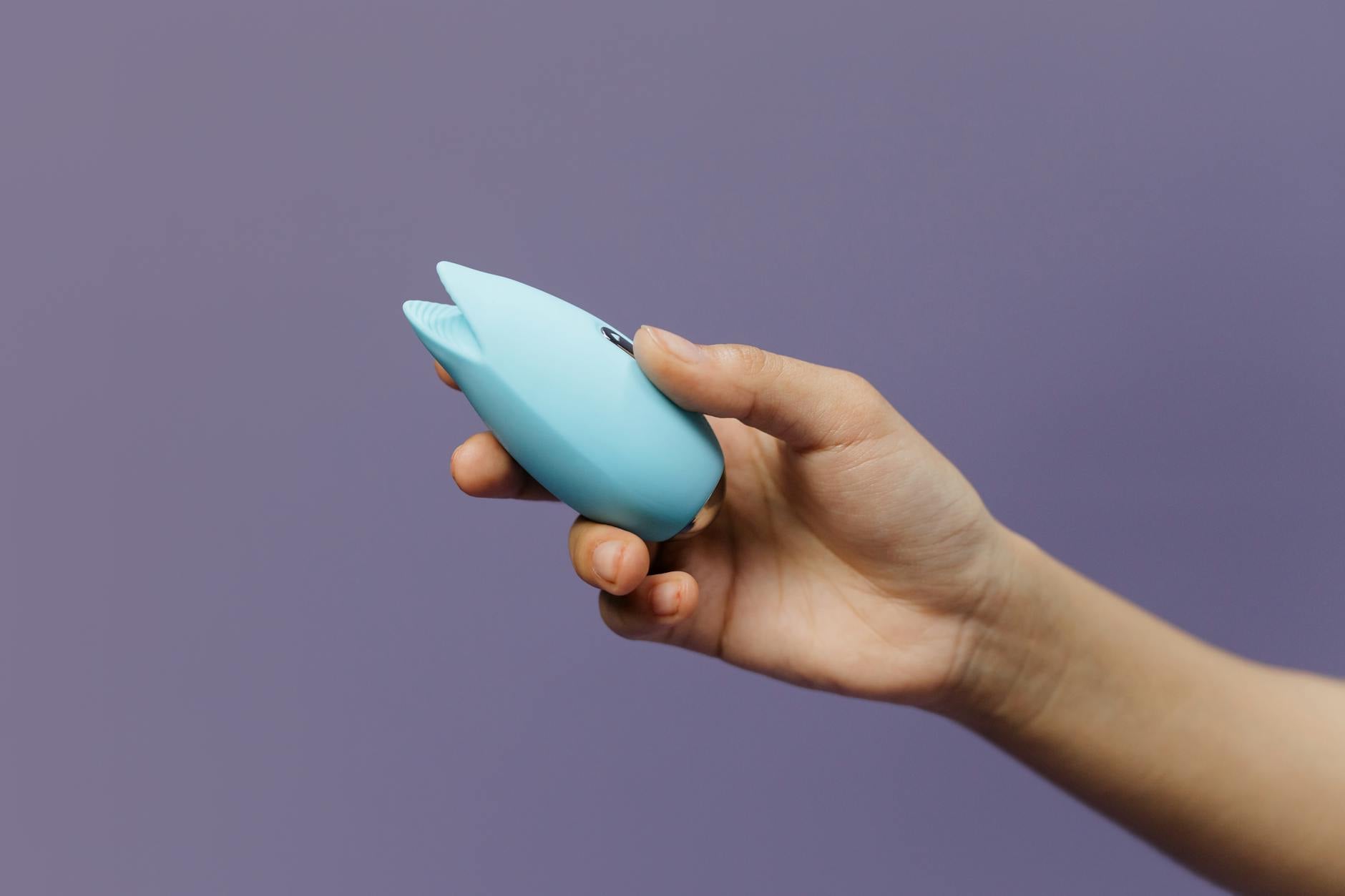
Here's what I've learned working with couples: the fastest way to actually improve stamina is to remove the pressure around it entirely. A lemon clitoral vibrator does that. Not because it's magic. But because it changes the entire structure of how you have sex together, which means you stop performing and start connecting.
Why "lasting longer" feels like the wrong problem
Most conversations about stamina are framed around male bodies and ejaculation timing. But stamina for a couple isn't actually about one person's anatomy. It's about synchronization. About creating a rhythm where both partners feel satisfied. And here's the thing that research keeps showing: when penetrative sex is the entire goal, one partner's finish time becomes a deadline for the other. Someone's always racing. Someone's always waiting.
A lemon sucker changes the equation entirely. Because now you're not trying to extend one type of stimulation indefinitely. You're layering sensations. You're adding a variable that shifts arousal, intensity, and timing for both of you. Suddenly there's no single finish line.
How a lemon vibrator actually buys you time
There are three physical reasons this works:
First, it redirects focus. If you're using a lemon vibrator on your partner during sex, your brain isn't locked on your own arousal. You're paying attention to their body. Their breathing. What intensity gets which reaction. That mental shift alone extends the timeline because you're not in a fight-or-flight state about your own response.
Second, it reduces friction-based urgency. Penetration alone creates a specific, escalating pressure on nerve endings. Add a vibrator working a different area at a different frequency, and you interrupt that linear buildup. Your partner reaches pleasure faster, which means you're not under pressure to maintain intensity for as long.
Third, it creates a framework for pausing. With a lemon clitoral vibrator, you have natural moments to shift or reset. You can adjust speed, intensity, or position without losing connection. Those micro-pauses are where stamina actually develops. Not through Kegel exercises or breathing techniques done alone (though those help), but through practice managing arousal in real time with another person.
The specific moves that buy you time
If you're using a lemon vibrator with a partner, here's what actually works:
Start with the vibrator while you're still getting ready. Don't wait until penetration is about to happen. Use a Lem Vibrator on your partner for 10 to 15 minutes beforehand. Let them get fully aroused before you're even inside them. This does two things: their nervous system is further along the arousal curve, so the timeline from penetration to orgasm shortens. And you've already demonstrated that you can sustain attention and presence, which takes performance pressure off you.
Use it during penetration, not as a replacement. This is the move most couples miss. The vibrator isn't meant to do all the work. You're still providing penetration. The vibrator is providing clitoral stimulation that you can't. So now your partner has two sensations building at once. That multiplied arousal means they orgasm faster, which paradoxically gives you more time to find your own rhythm.
Pause, then switch. When you feel yourself getting close, slow down. Use the vibrator for a minute while you just stay still. This interrupts the escalation pattern and gives your nervous system a moment to recalibrate. It's not about stopping completely. It's about disrupting the rhythm that's pushing you toward the finish.
Focus on sensation instead of sensation variety. Here's what kills stamina: trying to do too many things at once because you're anxious about timing. Pick a rhythm with the vibrator that actually feels good to your partner. Stick with it. Boring beats frantic every single time.
The mental game that actually matters
The physical techniques work, but they only work if you shift what "lasting longer" actually means to you. Right now, it probably means "not finishing first." That's a scarcity mindset. What it actually means is "both of us feel satisfied," which is completely different.
When you use a lemon vibrator together, you're not performing anymore. You're collaborating. There's no way you can use a vibrator on your partner while obsessing about your own timing. Your attention has to go somewhere, and it goes to them. And when you're fully present with another person, everything changes. Your arousal is less reactive and more relational.
I've worked with a lot of couples who report that adding a vibrator actually helped the partner without stamina concerns feel less pressure too. Because now it's not about one person's body being "wrong." It's about both of you building something together that feels better for everyone.
When to talk to someone
If you're dealing with premature ejaculation that's affecting your confidence or your relationship, a sex-positive therapist can be genuinely helpful. There are medical interventions (topical anesthetics, certain medications) and behavioral techniques that work. A lemon clitoral vibrator is a tool that works alongside those, not instead of them.
If you're in a longer-term relationship and this has become a source of tension, couples therapy specifically around sexual intimacy can help you untangle the performance anxiety from the actual physical reality. Because often, the real problem isn't stamina at all. It's that one partner feels unseen or unheard around sex, and the other feels constantly criticized. A vibrator is a workaround. A therapist helps you address what's actually broken.
The move that changes everything
Honestly, the simplest thing you can do is just ask your partner: "What would actually feel good to you?" Not "Am I lasting long enough?" Not "Should we try something different?" Just curiosity. And then use a tool like a Lem Vibrator to deliver on that answer.
When you're focused on giving your partner the exact experience they want, stamina stops being a performance metric and becomes something that naturally develops. You slow down because you're paying attention. You last longer because you're not panicking. And your partner feels taken care of, which is honestly what they wanted all along.
People also ask
Can using a lemon vibrator actually help with premature ejaculation?
Yes, but not in the way you might think. A vibrator doesn't desensitize you or train your body in isolation. What it does is shift the entire dynamic of partnered sex so that you're not under the same performance pressure. When you're using a vibrator on your partner, your arousal curve follows a different pattern because you're not focused solely on your own sensation. You're distributed across attention, sensation, and connection. That cognitive shift is where the real change happens. Research on couples' pleasure supports this. Couples who use vibrators together report better sexual satisfaction overall, partly because neither partner is carrying the entire burden of the experience.
Should we use the vibrator the whole time, or only sometimes?
Neither. Use it strategically. Add it for 10 to 15 minutes during foreplay while you're building arousal together. Use it during penetration on your partner's clitoral area while you provide other stimulation. Skip it sometimes so the experience stays varied. What matters is that the vibrator is a choice you're making together, not a crutch you're using to fix something broken. Couples who incorporate vibrators occasionally and intentionally report better outcomes than couples who use them every single time or who use them because one partner insisted on it.
How do I bring this up to my partner without it feeling like admitting I have a problem?
Frame it around pleasure, not performance. "I want to figure out how to make this feel even better for you" is wildly different from "I'm worried I'm not lasting long enough." Start by talking about what your partner actually wants. Not in a serious conversation. Just curiosity. "What would feel amazing right now?" And if the answer is clitoral stimulation, you've got a perfect reason to introduce a vibrator. You're not fixing a problem. You're building something together. A Lem Vibrator is just a tool that helps you both get there faster.
Can a lemon vibrator help if my partner has trouble reaching orgasm?
Yes, but it's a separate conversation from stamina. If your partner struggles to orgasm during penetration specifically, a lemon clitoral vibrator can bridge that gap by providing the stimulation that penetration alone doesn't deliver. Some people need external clitoral pressure to reach orgasm. Others need a specific rhythm or intensity that hands can't sustain. A vibrator handles both. So yes, it helps with that problem. But it's worth having a separate conversation about what your partner actually needs to orgasm, rather than assuming that lasting longer will somehow fix it. Often those are two different things.
Is there a risk of becoming too dependent on the vibrator?
Not really, and here's why. A vibrator doesn't rewire your body's response. It's not like numbing cream that reduces sensation permanently. It's a tool that works in the moment. Plenty of people use vibrators sometimes and have perfectly fine sex other times without them. The couples I've worked with who report the best sexual satisfaction use vibrators as one option among many, not as the only way they have pleasure. Mix it up. Sometimes use a vibrator, sometimes don't. Sometimes focus on penetration, sometimes focus on other stimulation. Variety is actually protective against any kind of dependence.
What if my partner is worried about what a lemon vibrator means for our relationship?
That's a genuine concern worth taking seriously. Some people worry that bringing in a vibrator means something is wrong, or that it means one partner is rejecting the other. Those feelings are real even if they're not accurate. Start with honesty. "I want us both to feel amazing. I think this tool could help with that." Listen to their specific worry. Sometimes it's about feeling replaced. Sometimes it's about vulnerability. Sometimes it's just that they've never thought about it before. A Lem Vibrator is a tool. It's not a referendum on your relationship. But if your partner's hesitation is actually about something deeper around intimacy or connection, that's the real conversation to have. The vibrator is secondary to actually understanding what your partner needs to feel safe and connected during sex.