Let's be real about disconnection
Body dissociation is not a failure. It's a survival mechanism. When stress, trauma, grief, or emotional overwhelm gets too loud, your nervous system does what it's designed to do. It damps down sensation. It pulls you out of your body so you don't have to feel the full weight of what's happening. The problem is that once you're out, coming back in feels impossible.
You sit there with a partner or alone, wanting to feel pleasure, and your body is just... quiet. Not numb in a sharp way. More like you're behind glass. There's stimulation happening, sure, but it's happening to someone else. Your clitoris might respond mechanically. Your body might move through the motions. But you're not there.
That's the disconnect I see most often in my practice. And it's one of the most resolvable ones if you understand what's actually happening physiologically.
What your nervous system is doing
Dissociation happens when your sympathetic nervous system is still activated. Your body thinks there's a threat, so it's holding resources back from pleasure, digestion, social connection. Everything nonessential gets switched off. Your clitoris doesn't get enough blood flow. Neural signals travel slower. Sensation feels muted.
This is why standard advice like "just try harder" or "think sexy thoughts" fails completely. You can't think your way out of nervous system dysregulation. You have to downregulate the nervous system first.
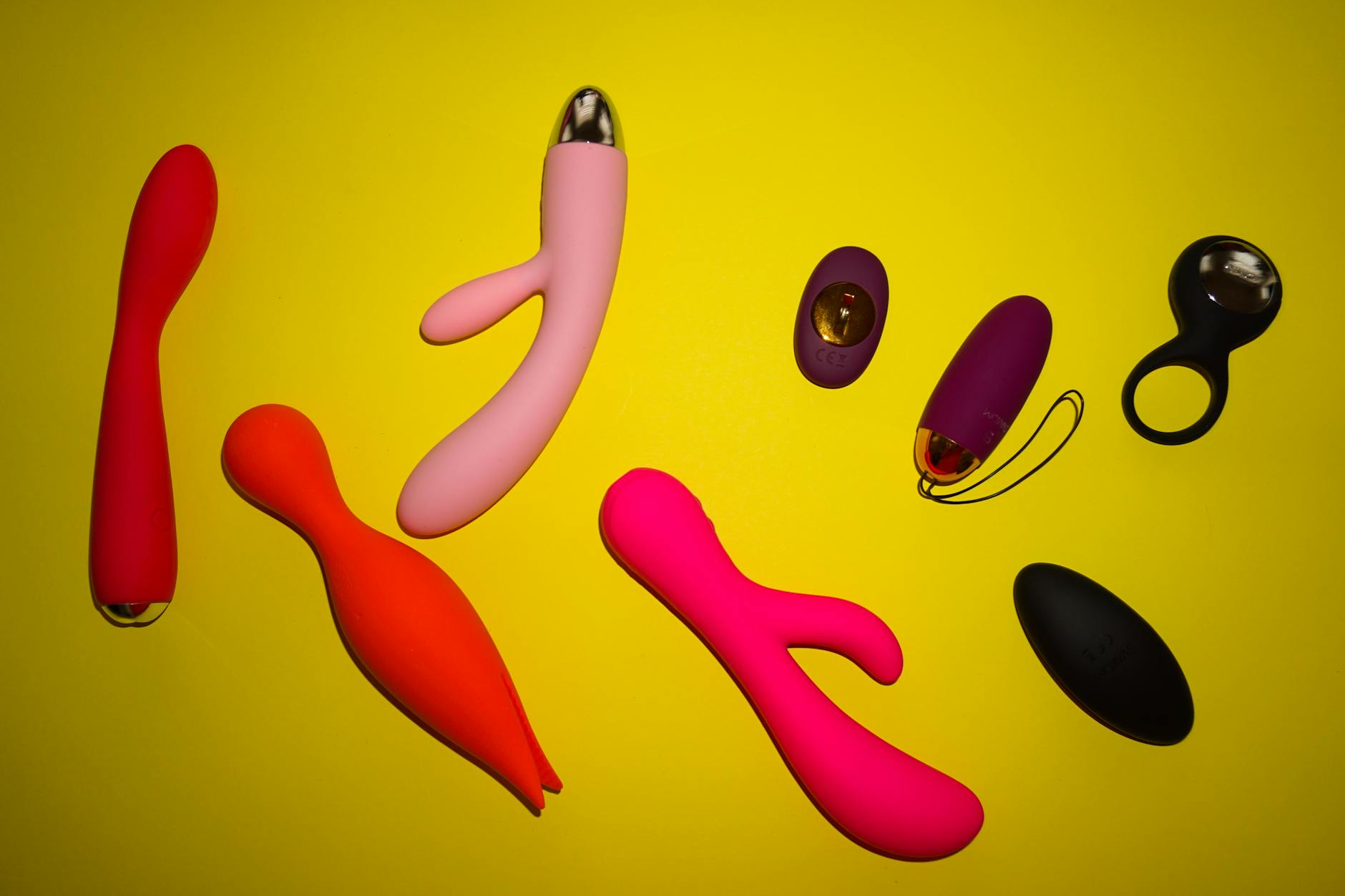
The good news: a lemon clitoral vibrator can be the bridge that reconnects you to your body because it bypasses willpower entirely. It works through sensation intensity and rhythm, not through your thoughts.
Why vibration works when you're dissociated
A clitoral vibrator does three specific things for someone in a dissociative state.
First, it creates a sensation loud enough to break through. When you're numb, gentle touch gets lost. Your brain doesn't register it. But vibration has frequency and amplitude. It's harder to ignore. It cuts through the static in a way that regular fingers or most other toys can't match.
Second, it gives your nervous system something to anchor to. Dissociation thrives in silence and gentleness. The rumble of a Lem vibrator is insistent. It demands attention. That demand is actually grounding. Your brain has to show up to process something so direct.
Third, it separates sensation from performance. When you're disconnected, you're often also hyperaware of whether you should be responding. Am I doing this right? Should I be coming? Is something wrong with me? A vibrator removes the ambiguity. It's either vibrating or it isn't. That clarity lets your brain relax into pure sensation instead of judging it.
How to start if you've been numb for months
This matters: start somewhere other than the clitoris.
I know that sounds counterintuitive with a clitoral vibrator, but hear me out. If your whole body is dissociated, targeting your clitoris first can actually feel invasive. Your nervous system might perceive it as demanding pleasure before you're ready to be present.
Instead, begin by using a Lem vibrator on less sensitive skin. Your forearm. The inside of your wrist. Your neck. Your inner thigh. Let your nervous system learn that this sensation is safe. Let your brain practice showing up for vibration without the pressure of clitoral expectations.
Do this for two to five minutes at a time, a few times a week. Nothing goal-oriented. Just sensation. Your brain needs to rebuild the neural pathways between stimulation and presence.
After a week or two, when touching your forearm with the vibrator feels less strange, move to the outer labia. Hover around the clitoris instead of on it. Let yourself get curious about how the sensation changes at different intensities. Set a timer for ten minutes. No orgasm goal. No performance metric. Just presence with sensation.
Only when that feels genuinely available (not just tolerable) should you introduce direct clitoral contact. And even then, start at the lowest setting. A lemon vibrator has multiple intensity levels for exactly this reason.
The role of slowness in rebuilding connection
People assume that if you're numb, you should use maximum intensity immediately. Actually the opposite is true. Your nervous system is already in fight-or-flight. Overwhelming it with sensation just reinforces the shutdown.
Instead, slow intensity changes train your nervous system that stimulation is predictable. Safe. Pattern-based. That's what your parasympathetic nervous system needs to engage.
I recommend this structure: five minutes on setting one, increasing to setting two only when that feels genuinely curious rather than obligatory. If you feel nothing, that's fine. If you feel disconnection rising (that glassy, pulled-back feeling), pause entirely. Notice it without judgment. Your nervous system is communicating that it's overwhelmed.
Some people need three weeks of this before anything shifts. Some need three months. The timeline depends on what your dissociation is protecting you from. Trauma, grief, relational patterns, chronic stress. The vibrator works, but it's not magic. It's a tool that only works if your nervous system believes it's safe to come back.
When to bring a partner into this
If you're in a relationship and your dissociation is affecting your partner, there are two conversations to have separately.
First, the practical one: your partner needs to understand that this is not about them. It's not that they're not attractive. It's not that they're doing anything wrong. Dissociation is a nervous system response, not a judgment of intimacy. If your partner hears it as rejection, they'll start performing their own shame, which makes everything worse.
Second, the reconnection plan: decide together whether they'll be present while you use a lemon clitoral vibrator. Some people prefer to rebuild alone first. That's valid. Others find that a partner's calm presence in the room (not performing, not watching, just there) actually helps their nervous system downregulate faster.
If you do bring them in, set explicit boundaries. No touching unless you ask. No expectations. Their job is to sit with you, not to get turned on or to achieve anything. That boundary-setting is itself deeply regulating.
What changes when you start feeling again
The first sign that reconnection is working is rarely pleasure. It's usually just sensation. You notice the vibration. You feel the texture of your own skin. You become aware of your breathing. These tiny adjustments mean your nervous system is powering back down. Your brain is coming back online.
From there, arousal rebuilds naturally. You might notice your clitoris feels slightly different. More present. More able to swell. The rumble of the vibrator might start to build something in your pelvis instead of just registering as vibration on skin.
When that happens, you can increase intensity if you want. You can experiment with rhythm. You can find the settings on a Lem vibrator that feel genuinely good instead of just tolerable. Some people discover they love pattern mode. Others prefer steady intensity. That preference is part of reconnection too. It's you learning what your body actually wants.
The role of patience in this process
Honestly? This is the hardest part. You'll probably feel frustrated. You might think you're broken. You might want to push harder or go faster. All of that is understandable and also the exact opposite of what helps.
Your dissociation protected you when you needed protection. Honoring that means being patient with your nervous system as it learns to feel safe again. Some people rebuild sensation in three weeks. Some take three months. Some need to work with a therapist alongside this process because the dissociation is rooted in trauma or chronic relational patterns.
All of that is normal. All of that is okay. The clitoral vibrator is a tool for reconnection, not a deadline. Using a lemon sexual toy works best when you release the expectation that it should work instantly.
Your body knows how to feel pleasure again. Right now, your nervous system just doesn't believe it's safe to access it. The vibrator is the conversation that slowly convinces your system otherwise. One sensation at a time.
FAQ
Can dissociation and numbness be permanent?
No. Dissociation is a state, not a trait. Your nervous system built the ability to disconnect, which means it can rebuild the ability to connect. The clitoral sensations from using a Lem vibrator actually accelerate that process because they're forcing your brain to stay present with sensation rather than drift away from it.
Is it normal to feel nothing when first using a lemon vibrator if you're disconnected?
Completely normal. When dissociation is severe, your nervous system has essentially turned down the volume on all sensation. A lemon clitoral vibrator will work, but it takes time. Many people feel nothing for two to three weeks before the first shift happens. That's not failure. That's your nervous system learning that it's safe to start receiving sensation again.
Should I use a Lem vibrator alone or with a partner if I'm dissociated?
That's entirely your call, but most people find that starting alone removes the pressure to perform or be responsive. A partner's presence can trigger expectation, which reinforces the freeze response. Once you've rebuilt some baseline sensation alone, bringing a partner in becomes easier because you're not performing for them. You're just sharing what you've already learned.
What if I use a lemon clitoral vibrator but still feel numb after three weeks?
That might mean the dissociation is rooted in something deeper: unprocessed trauma, chronic relational patterns, or significant stress that your nervous system still perceives as ongoing. A therapist, especially one trained in somatic or trauma work, can help identify what's keeping your nervous system locked in protection mode. The vibrator is powerful, but it works best alongside other nervous system regulation tools.
Can I use clitoral vibrators while working through dissociation with a therapist?
Absolutely, and I'd actually recommend it. A therapist who understands nervous system regulation will probably encourage sensate focus work, which is exactly what reconnection with a lemon sexual toy provides. The vibrator becomes part of your healing toolkit, not a replacement for therapy.
Is there a "best" lemon vibrator for someone who's dissociated and numb?
The Lem vibrator is designed with multiple intensity settings specifically because sensation rebuilding often requires starting low and moving gradually higher. That variable intensity is crucial when you're working with numbness. You need the flexibility to whisper to your nervous system before you can ask it to listen to a shout.
Coming back is possible
Dissociation feels permanent when you're inside it. Your body feels like it belongs to someone else. Pleasure feels like a foreign language. But that's the dissociation talking, not reality.
Your nervous system learned disconnection to protect you. That was smart. Now it's time to teach your system that you're safe enough to feel again. A lemon clitoral vibrator, used slowly and patiently, is one of the most direct ways to have that conversation with your body.
Start small. Honor your pace. Let sensation rebuild on its own timeline. Your reconnection is waiting. You just have to be patient enough to find it.
If you're struggling with this alone, reach out. We can talk through what your nervous system needs to feel safe again.