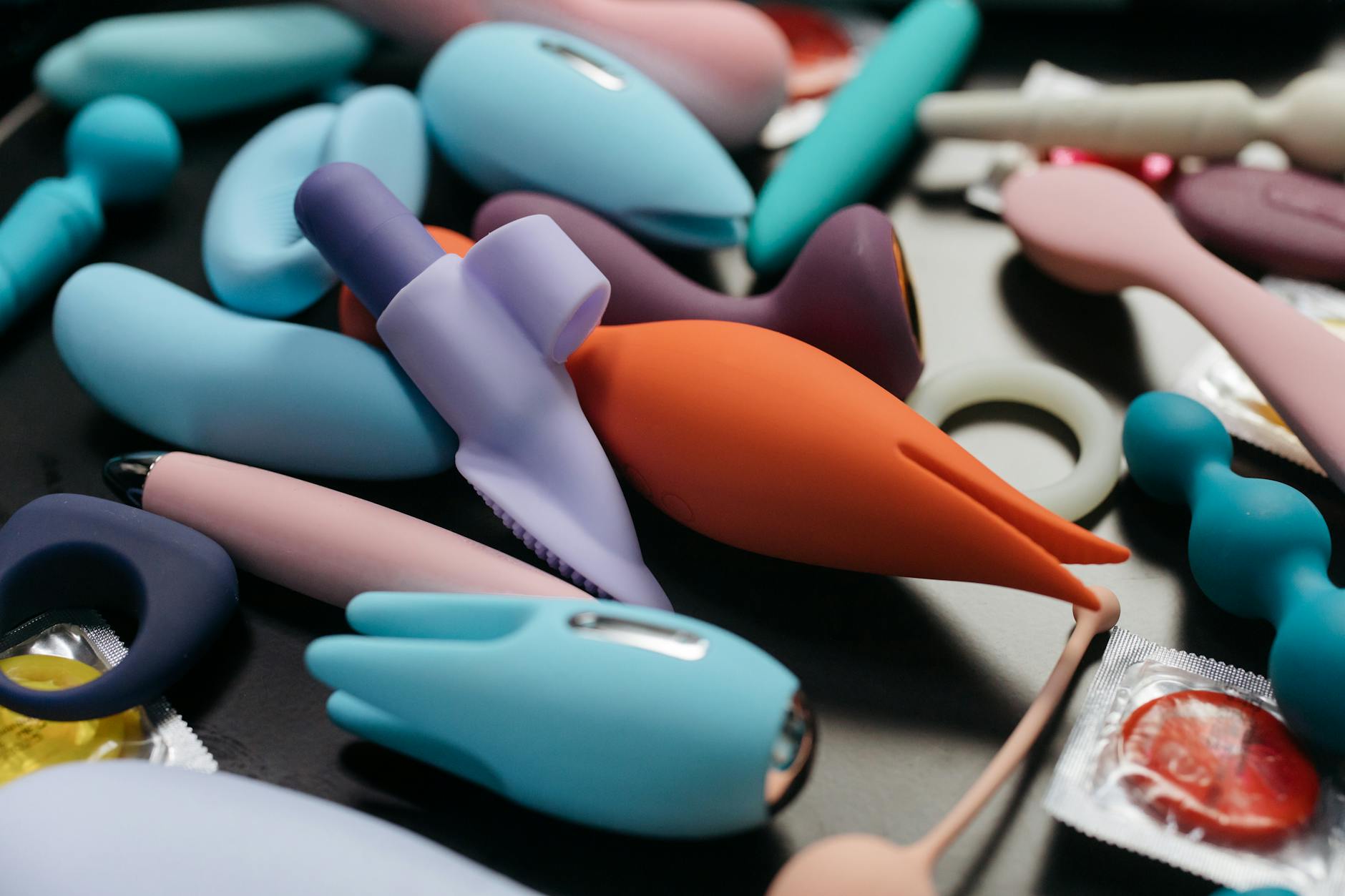
Let's be real about returning to sex after a long pause
Time away from sexual activity rewires your nervous system. Not in a broken way. In a quiet way. Your body goes into a kind of neutral state. The nerve pathways that light up during arousal still exist, but they've been dormant. Reconnecting isn't about forcing sensation back into existence. It's about patient, curious exploration.
Here's what I see most often in my practice: people who've taken months or years away from sex approach it like they're supposed to pick up exactly where they left off. They expect instant arousal, quick orgasm, the same response their body gave when sex was frequent. Then they get frustrated when it doesn't happen immediately. That frustration becomes its own block. The shame about the pause combines with the shame about the difficulty returning, and suddenly the whole thing feels too complicated to bother with.
The truth is simpler. Your body hasn't forgotten. It's just asking for a proper reintroduction.
Why your first time back feels different (and what that actually means)
When you've been away from sexual activity for months or longer, three things happen physically.
First, your pelvic floor tenses up slightly. Without regular sexual activity, the muscles don't have the same stimulus to relax and engage rhythmically. This isn't dysfunction. It's just a muscle that needs gentle reminding.
Second, arousal takes longer to build. Your body isn't primed from regular sexual contact, so the initial neural signals move slower. Where you might have gotten aroused in five minutes when sex was part of your routine, it might now take fifteen or twenty. This is completely normal and completely reversible.
Third, sensation can feel muted at first. Not numb, but softer. Like someone adjusting the volume dial down instead of off. The receptors are there. They just need time to wake up.
Here's the part nobody tells you: this is actually an advantage. The slower build, the softer sensation, the need for extended warm-up. All of it gives you room to explore without the pressure of old patterns. This is a chance to know your body differently than you did before.
Starting with breathwork and touch (before the toy even enters)
I always recommend this order: body awareness first, toy second.
Spend three to five days just noticing your body. Not trying to get aroused. Just aware. In the shower, notice how water feels on your skin. In bed, notice the texture of sheets. During the day, notice where you hold tension and where you feel relaxed. This isn't sexual yet. It's reconnection.
When you're ready for directed touch, start with your hands in a non-sexual context. Massage your shoulders. Notice your collarbone. Touch your arms. The goal here is to prove to your nervous system that touch feels good again. No goal, no destination. Just sensation.
Then, when you're ready, add slow breathing. Breathwork activates your parasympathetic nervous system, which is essential for arousal. Spend five minutes breathing deeply before any exploration. In for four counts, hold for four, out for four. This primes your body chemically.
Only after this groundwork should you introduce a toy.
Introducing the Lemon vibrator thoughtfully
The Lemon clitoral vibrator is particularly well-suited to reentry because of how it delivers stimulation. Unlike traditional vibrators that require consistent pressure or repetitive motion, the Lemon uses gentle suction patterns. This means less pressure on sensitive tissue and more ability to stay engaged without physical fatigue. For someone easing back into pleasure, that's a genuine advantage.
Here's the specific approach I recommend:
Day one with the toy. Charge it fully. Explore it with your hands, not inside your body. Notice the weight, the silicone texture, the button placement. Get comfortable with the object itself so there's no surprise when you're aroused and reaching for it.
Day two. Use it over clothing or with underwear on. Apply it to your outer labia, not directly to your clitoris. Start on the lowest setting (most Lemon vibrators have 5-8 patterns). The goal is sensation without intensity. You're checking in with your body, not chasing orgasm. Spend ten minutes. If nothing happens, that's fine. Notice what you notice.
Day three and beyond. Remove your underwear. Start again on the lowest setting, moving the toy slowly. The Lemon responds better to subtle movement than to static pressure. Think of it as exploring rather than applying. Let your body tell you what feels good. If a particular spot or pattern feels nice, stay there for a moment, but don't grip the feeling. Just be present.
Common frustrations and what they actually mean
You might feel: "This isn't working. I'm not getting aroused."
What's probably true: Your body is still waking up. You're still in the first week. Your expectations are ahead of your body's actual readiness. Keep going. Most people need seven to ten days of consistent, pressure-free exploration before sensation really starts to shift.
You might feel: "This feels weird, not good."
What's probably true: Your nervous system is still registering novelty over pleasure. The sensation is novel (because it's been absent) and your brain is in investigation mode, not pleasure mode. This is not a sign that you've permanently lost sensation. It's a sign that your brain is working as designed. Slower, more frequent exploration changes this faster than intense, irregular sessions.
You might feel: "I'm getting close to orgasm, but it won't quite happen."
What's probably true: Your body has woken up, but your brain hasn't fully caught up. Orgasm requires full psychological presence, not just physical stimulation. The fact that you're close means your body remembers. The gap between close and there is usually just trust and time. Don't push for it. That paradoxically makes it harder. Instead, enjoy the sensation you're having and notice if arousal deepens without effort.
Photo by cottonbro studio on Pexels
The emotional side (which matters more than the physical side)
I work with people every week who've taken a break from sex because of relationship conflict, health issues, depression, caregiving demands, or simple life overwhelm. Returning physically is only half the equation. The emotional part often moves slower.
You might carry guilt about the time away. You might worry your body is broken. You might feel shame about wanting sex again after a period of not wanting it. You might be anxious that your partner will judge you for needing to start slow. All of that is real and all of it affects how your body responds to stimulation.
This is why I recommend starting alone. Without an audience, without the pressure to perform, without anxiety about someone else's experience. Your body needs permission to reconnect with itself first. Once you're consistently able to feel pleasure on your own, with a toy, in a quiet space with no expectations, then you introduce another person if that's relevant for you.
If you're in a relationship and your partner is also navigating this return with you, communication becomes essential. You might say something like: "I'm easing back into my body. This is going to look different than it used to. I need you to follow my lead and not push for outcomes." That conversation, awkward as it might feel, transforms the entire dynamic.
Timeline and what realistic progress looks like
Most people feel measurable shifts in sensation and ease within two to three weeks of consistent, pressure-free exploration. By week four, arousal builds noticeably faster. By week six, orgasm typically returns (if it's going to).
But here's what matters more than the timeline: pleasure itself, not achievement. Some people return to orgasm in two weeks. Others take two months. Both are fine. The goal isn't speed. The goal is that your body feels like your own again.
If you're using a Lemon clitoral vibrator and you're not feeling anything after three weeks of regular use, that might signal something else is at play. Hormonal shifts, medication side effects, unresolved tension in your relationship or your body. That's worth checking in with a therapist or doctor about.
But most of the time, slow reconnection works. Your nervous system remembers. Your body remembers. It just needs patience.
When to pause and reassess
If exploration feels painful (not just unfamiliar, but actually painful), stop and see a pelvic health specialist. Pain is your body's signal that something needs attention.
If you're experiencing significant anxiety or intrusive thoughts during exploration, working with a therapist alongside the physical exploration helps. Sex lives are tied to emotional lives. Sometimes the body can't reconnect until the emotions feel safe again.
If your partner is pressuring you to return to sexual activity faster than you're ready for, that's a boundary worth setting clearly. Your timeline is not negotiable. How to introduce a lemon vibrator to your partner without awkwardness covers how to have that conversation.
Otherwise, the most important thing is consistency without pressure. Ten minutes of unhurried exploration with a Lemon vibrator, done three or four times a week, changes the nervous system faster than an occasional intense session. Gentle, frequent contact rebuilds the neural pathways better than dramatic effort.
Frequently asked questions
How long should my first session with a Lemon vibrator be after a long break?
Start with ten to fifteen minutes. You're not racing toward orgasm. You're checking in with sensation. After fifteen minutes, your body has sent plenty of signals and your nervous system has had enough stimulus. Quality matters more than duration. A gentle ten minutes, four times a week, outperforms a frantic hour once a month.
Should I use lubricant with a Lemon vibrator after a long break from sex?
Yes. Even if lubrication was never something you needed before, tissue sensitivity shifts after extended breaks. Water-based lubricant (never silicone-based with silicone toys) reduces friction and makes the experience more comfortable. Comfort makes you more likely to stay present. Presence makes sensation more accessible. Start with lubricant.
What if I don't orgasm after two months of using a Lemon vibrator regularly?
Orgasm isn't the goal during reentry, even though it feels like it should be. If you're experiencing arousal, lubrication, and pleasure but orgasm isn't arriving, you might be tensing in anticipation of it. Try sessions where orgasm is explicitly off the table. No goal. Just sensation. Sometimes removing the target relaxes the nervous system enough that orgasm arrives naturally. If it still hasn't after three months, check in with your doctor about hormonal or medication changes that might be affecting your response.
Can I use a Lemon vibrator if I'm in a relationship but haven't had sex with my partner yet during my return?
Absolutely. Solo exploration with a toy actually makes partnered sex easier eventually. You learn your own body, what feels good, what doesn't, where your nervous system is at. That knowledge translates directly to better communication with a partner. You're not delaying partnered sex by exploring alone. You're preparing for it.
Why does the Lemon vibrator feel different than other vibrators for someone returning to sex?
The suction-based stimulation of a Lemon clitoral vibrator distributes pressure differently than traditional vibration. For tissue that's been dormant, this gentler approach often feels more accessible and less overwhelming. It's not that other vibrators are bad. It's that the Lemon's mechanics match well with what sensitive, reawakening tissue responds to. Test what your body tells you.
Is it normal to feel emotional during exploration with a toy after a long break?
Completely normal. Your body reconnecting to pleasure can bring up grief about the time away, relief that sensation is returning, sadness about whatever caused the pause in the first place, joy at feeling alive again. Sometimes people cry. Sometimes they laugh. It's all your nervous system processing. This is actually a good sign. It means something real is shifting, not just physically but emotionally.
The actual timeline for your body
Think of your return to pleasure like rebuilding any other part of yourself after a long pause. You wouldn't run a 10K after six months away from running. You'd start with walks, build to jogs, work toward your goal. Your sexual self follows the same logic.
Week one: Breathing, touch awareness, introduction to the toy over clothing. Week two to three: Direct contact with the Lemon vibrator on the lowest settings, exploring sensation without expectation. Week four to six: Faster arousal, deeper pleasure, early signs of orgasm returning for many people. Week eight plus: Sustained pleasure, reliable arousal, most people able to reach orgasm with some consistency.
Your specific timeline might be different. Hormones, medication, relationship dynamics, stress levels, sleep quality. All of it affects how quickly your body reawakens. Trust your own pace. The people who successfully return to pleasure are the ones who stopped trying to force a timeline and started following their body's actual readiness.
Your pleasure matters. The time you spent away doesn't erase your right to it. And your body, patient and resilient, is ready to reconnect whenever you give it permission.