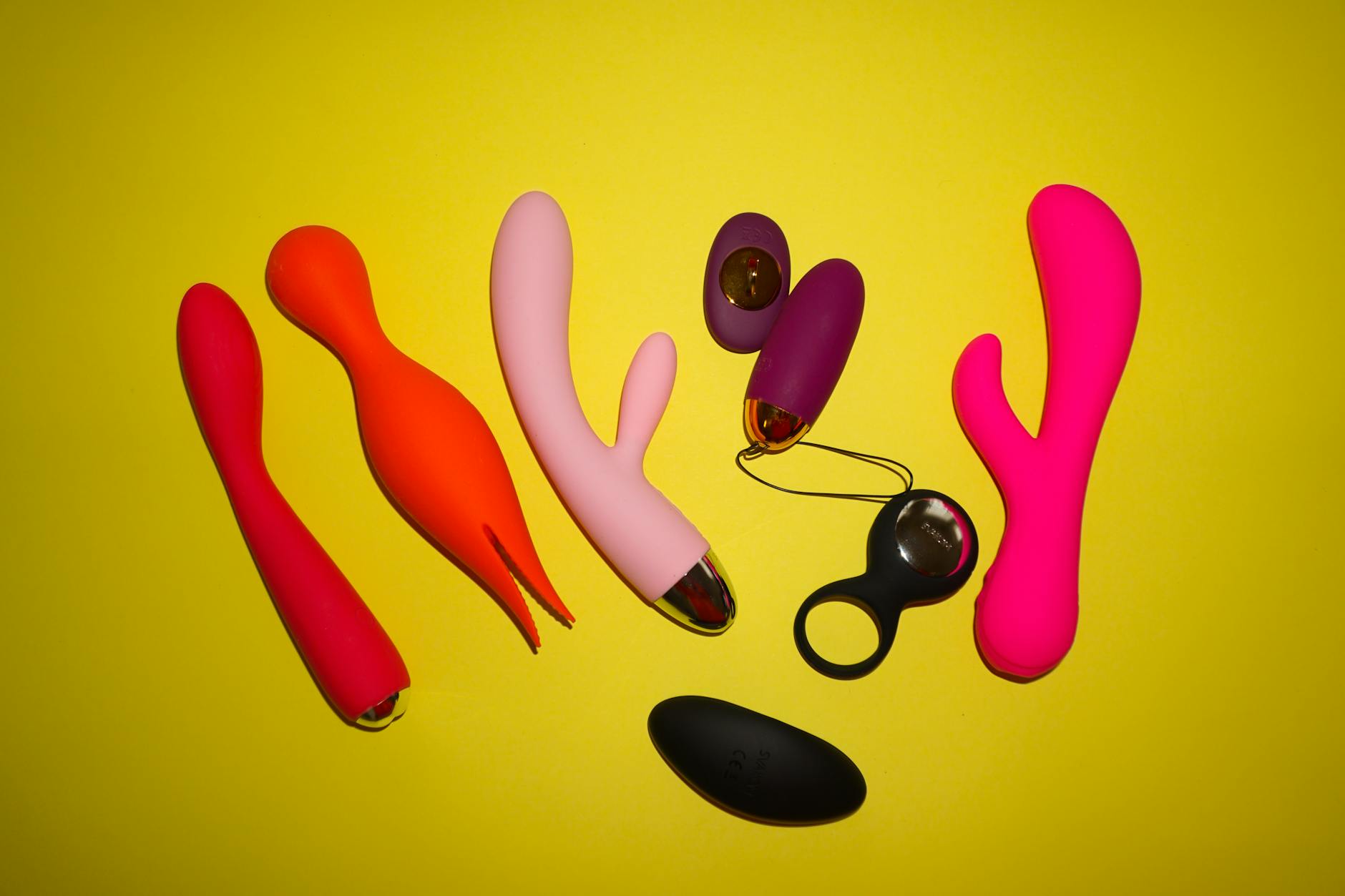
Let's talk about reconnection
You've been away from your own pleasure for a while. Maybe it's been months. Maybe years. The reasons don't really matter right now. What matters is that you're thinking about coming back to your body, and that takes courage that deserves acknowledgment.
Here's the real part: reconnection isn't about forcing pleasure back into existence. It's about creating the conditions where pleasure is allowed to return. The Lem vibrator, with its gentle suction technology, is actually one of the best tools for this specific work because it doesn't demand intensity. It invites sensation.
I've worked with hundreds of people rebuilding this connection. The ones who succeed aren't the ones who expect fireworks. They're the ones who commit to patience, safety, and consistency.
Why your body might feel distant
Disconnection happens for a thousand reasons. Stress numbs sensation. Relationship rupture makes touch feel unsafe. Medical events (surgery, illness, trauma) interrupt the nervous system's natural pathways. Grief, hormonal shifts, medication changes, burnout. Sometimes there's no big reason. Sometimes your body just went quiet, and you're not entirely sure why.
The good news: sensation doesn't disappear. It goes dormant. Your clitoral nerves are still there. Your capacity for pleasure is still wired in. What's happened is that the signal between your body and your brain has gotten static. Your job isn't to rebuild the hardware. It's to rebuild the connection.
This is actually why a lemon vibrator works particularly well. Traditional vibrators often demand that sensation already exists. Suction-based stimulation is different. It works with your nervous system instead of demanding a performance from it.
Setting up your nervous system for success
Before you even touch the Lem vibrator, your environment matters more than you think. Not because you need candles and music (though those are fine if they help). Because your nervous system needs to feel safe enough to receive sensation.
Four practical things:
1. Time alone without negotiation. Not 15 minutes squeezed between chores. Give yourself at least 45 minutes where you're genuinely unavailable to anyone else. Your body responds to permission, and permission requires uninterrupted time.
2. Warmth and comfort. Cold hands, tense shoulders, pressure in your chest. These are safety signals your nervous system registers and rejects. Take a warm bath first. Wear something soft. Notice what your body already knows it likes.
3. No goal. This is critical. Not "I need to orgasm." Not "I need to feel something." The goal is curiosity. Your only job is to notice what happens, without judgment. Most reconnection happens when you stop demanding results.
4. Water-based lubricant, always. Even if your body isn't generating natural lubrication yet, use it anyway. It removes friction, which removes pain, which removes the protective tension your nervous system creates. Lubrication is a signal: this is gentle, this is safe, this is allowed.
How to actually use the Lem when reconnecting
The Lem vibrator works through gentle suction, and that's a different sensation than traditional vibration. Start at Pattern 1 or Pattern 2. The lower patterns feel almost meditative. There's no aggression in them, which is exactly what a nervous system in recovery needs.
Begin by simply holding the Lem against your clitoris without turning it on. Feel the weight. Feel the shape. Your body needs to know what this object is before it experiences what it does. Spend a full minute just being present with this contact.
Then turn it on at Pattern 1. Most people expect to feel a lot. Instead, you feel almost nothing at first, and that's completely normal. It's not a malfunction. It's your nervous system doing what it's supposed to do: checking if this is safe before it opens the gate to sensation.
Stay at Pattern 1 for at least 5-10 minutes. Let your body adjust. You're not trying to build arousal. You're reintroducing your clitoris to stimulation in the gentlest way possible. Some people report tingling. Some report warmth. Some report nothing for weeks, and then suddenly sensation returns. All of these are fine.
If nothing happens after 15-20 minutes, stop. This isn't failure. Your nervous system is learning that solo touch is safe, and that learning happens whether or not you feel pleasure. Over time, as that safety deepens, sensation returns.
What to expect over weeks, not days
Reconnection rarely happens in one session. Think in terms of four to six weeks of regular practice (2-3 times per week) before you notice real change. This isn't because you're broken. It's because your nervous system relearns safety through repetition and consistency.
Week one to two: Most people feel very little. Maybe tingling. Maybe warmth. Maybe just the sensation of pressure. This is enough. You're teaching your body that this time belongs to you.
Week three to four: Some people notice slight arousal building. The sessions might feel slightly more pleasurable, or they might feel the same. Consistency matters more than sensation at this stage.
Week five onward: For most people, something shifts. Arousal starts building faster. Sensations feel more distinct. The pleasure isn't always an orgasm. Sometimes it's just the pleasure of being present in your own body.
Moving through Pattern increases slowly
Once Pattern 1 and 2 feel familiar (which might take 2-3 weeks), try Pattern 3. Not because Pattern 1 stops working, but because your nervous system is ready for slightly more input. This is still gentle. This is still a suction. The intensity increase is genuinely minimal.
Stay at Pattern 3 for another 1-2 weeks before considering Pattern 4. You're not racing. The people who rebuild pleasure fastest are the ones who refuse to rush.
If at any point a pattern feels too intense, go back down. Your body knows what it needs. Listen. There's no achievement in pushing into discomfort. The goal is reestablishing the neural pathway between sensation and safety, and that happens when you respect your body's boundaries.
Managing the emotional part
Sometimes reconnecting with your body brings up unexpected feelings. Grief over the time lost. Anger at whoever or whatever caused the disconnection. Frustration that pleasure isn't returning as fast as you want. These are all normal, and they're not obstacles.
If you notice emotion coming up during a session, pause. Breathe. You can continue, or you can stop. Both are absolutely fine. Your body is processing something, and that processing is part of reconnection.
Many people find it helpful to journal after these sessions. Not analyzing what happened. Just noticing: What did I feel? What did I notice about my body? What emotion showed up? Over weeks, patterns emerge. You'll start to see what your particular path back to pleasure looks like.
When to bring a partner back in
If reconnection is happening in the context of a relationship, don't rush to shared touch. Your nervous system needs to reestablish safety with your own hands and your own devices first. This usually takes 4-8 weeks of solo practice.
When you do decide to involve a partner, start the same way you started alone: clothed, no expectation, just presence. Let your partner know what you're learning about your body. Not as pressure, but as information. "I need slower touches right now." "I need to focus on what I'm feeling without performance." "This pattern of sensation is starting to return and it helps."
Partner participation works best when it's about curiosity, not fixing. Your partner isn't responsible for making you feel pleasure. Your body is. Your partner is invited to witness and support that process.
See our guide on how to use a lemon vibrator with a partner when you're the slower arouser for more specific strategies when you're ready for that conversation.
When disconnection is tied to trauma
If your disconnection is tied to sexual trauma, medical trauma, or abuse, solo reconnection still works. But it might benefit from professional support alongside it. A trauma-informed therapist or somatic practitioner can help you navigate the nervous system activation that sometimes comes with reconnection work.
Your body is not broken. Trauma response is actually your nervous system doing exactly what it's supposed to do: protecting you. Reconnection with a professional's support helps your system learn that touch can be safe again. The Lem vibrator is a tool in that healing. It's not the whole thing.
If you're working with a therapist, mention that you're rebuilding sensation. They can offer support that deepens what the solo practice already creates.
The real truth about reconnection
Your body wants to feel pleasure. It's not withholding. It's protecting. Once it knows protection is no longer necessary, sensation returns. Sometimes slowly. Sometimes suddenly. Sometimes in ways you didn't expect.
The reconnection work you're doing right now matters more than the pleasure outcome. You're teaching your body that your pleasure is worthy of time. You're teaching your nervous system that touch can be safe. You're teaching yourself that you deserve to feel good in your own skin.
That's the foundation. Everything else builds on that.
Frequently asked questions
How long does it take to feel sensation return when reconnecting with a clitoral vibrator?
Most people notice some shift within 3-6 weeks of consistent solo practice (2-3 times per week). Some people feel something immediately. Some take 8-12 weeks. Your timeline is yours. Consistency matters more than speed. If you've been disconnected for years, your nervous system is taking time to confirm that sensation is safe again. That's not a problem. That's your body being intelligent.
Is it normal to feel nothing during my first solo sessions with a lemon vibrator?
Completely normal. Your clitoris might be numb from disconnection, medication, hormonal changes, stress, or just disuse. Numbness doesn't mean it won't return. The Lem vibrator's gentle suction is actually designed to gradually reawaken sensation without overwhelming a sensitive or dormant nervous system. Start at the lowest pattern and accept that "nothing" is still progress. Your body is learning to receive.
Can I use a lemon vibrator if I have clitoral pain or sensitivity when reconnecting?
Start with the vibrator turned off. Hold it against your clitoris without activation for several sessions. Let your body adjust to the contact. Then try Pattern 1 for just 30 seconds. If pain increases, stop. Pain is your nervous system saying it's not ready yet. That's useful information. Try again the next day. You might need to spend 2-3 weeks just building tolerance to contact before activation. This is a normal part of reconnection, not a sign you can't use the tool.
What if my partner doesn't understand why I need solo time to reconnect with pleasure?
This is worth a direct conversation. You could say something like: "I'm rebuilding my relationship with my own pleasure. This solo practice helps my nervous system feel safe. It's not about you. It's about me learning to feel my body again. Once I'm further along, we can explore this together." Frame it as personal healing work, not rejection. If your partner is resistant to that, couples therapy might help him understand that supporting your reconnection ultimately strengthens your intimate connection.
Can reconnection work if I'm on antidepressants or other medications that affect sensation?
Yes, though it might take longer. Antidepressants, blood pressure medications, and hormonal contraceptives all can mute sensation. Talk with your prescriber about whether your specific medication affects sexual response. Some doctors can adjust dosing or timing. Some can't. Even with medication that affects sensation, the Lem vibrator's suction technology often works better than traditional vibration because it doesn't require existing arousal to create sensation. Continue the reconnection practice. Patience becomes even more important.
How do I know if I'm making progress if I'm not feeling much yet?
Progress isn't always sensation. Progress is showing up consistently. Progress is telling your body "your pleasure matters" through time and attention. Progress is noticing that even if pleasure hasn't returned, the resistance or shame around solo touch is softening. Progress is eventually discovering that arousal builds slightly faster than last week, or that you want to touch yourself because you want to, not because you think you should. These are all real progress. Write them down. You'll be surprised at the pattern.
The bigger picture
Reconnecting with your body isn't a quick fix. It's a commitment to yourself that your pleasure, your sensation, and your embodied experience matter. The Lem vibrator is a companion tool in that work. It's patient. It doesn't demand results. It just invites sensation back, gently, over time.
Your body hasn't forgotten how to feel. It's been protecting itself. Once you prove that touch is safe again, sensation returns. Trust that process. Trust your body. Trust the time it takes.
If you want to dig deeper into specific situations like reconnection after relationship stress or after medical events, we have guides covering those. The principle is the same: patience, consistency, self-compassion, and tools designed to work with your nervous system rather than against it.
Your reconnection is happening right now. It looks like this. Slow. Steady. Real.