Let's start with the honest part
You're not broken. Your medication is doing exactly what it's supposed to do. The problem is that "what it's supposed to do" includes muting sexual sensation for 30 to 50 percent of people who take it. SSRIs work by keeping serotonin hanging around longer in your brain. That's great for your mood. It's terrible for genital blood flow and orgasm intensity. Same with many blood pressure medications, some hormonal contraceptives, and certain anti-anxiety drugs. The side effect isn't a glitch. It's baked into the chemistry.
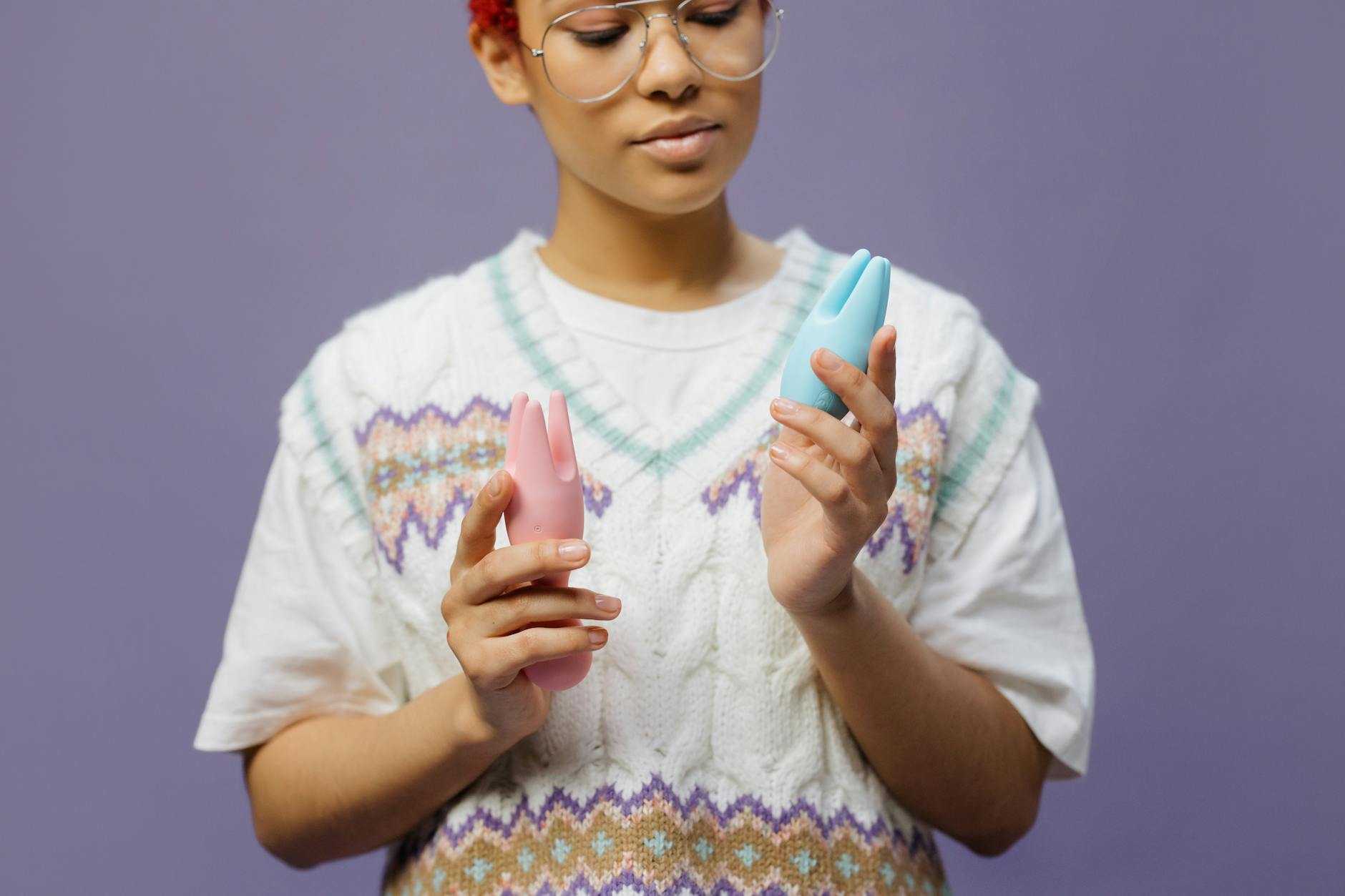
But here's what nobody tells you: sensation dampening is not the same as broken. And a lemon clitoral vibrator, specifically designed for nuance and precision, is one of the most effective tools for rebuilding pleasure when medication has turned down the dial.
How medication actually affects sexual response
Most people think "low libido from medication" is one thing. It's actually three separate problems:
Problem 1: Reduced blood flow to genital tissue. SSRIs and some blood pressure meds constrict blood vessels slightly. That means less engorgement, less swelling, less of the physical buildup that normally feeds arousal. Your clitoris is still there. It's just getting less blood.
Problem 2: Delayed or blunted orgasm. Even if you do get aroused, the path to orgasm becomes longer and steeper. Some people describe it as needing twice as much stimulation to reach the same place. Others say orgasms feel muted, like watching fireworks through frosted glass.
Problem 3: Mental disconnection. When your body isn't responding the way it used to, you start anticipating failure. That anticipation becomes its own blocker. You tense up. You stop paying attention. The physical issue gets tangled up with psychological bracing.
A lemon sucker or lemon adult toy addresses all three. Here's how.
Why a lemon vibrator works when sensation feels muted
Most vibrators work through rapid oscillation. That's fine when your nervous system is firing normally. When medication has dulled sensation, rapid vibration can actually feel like noise instead of pleasure. You're working harder to feel something, and it still doesn't land.
A lemon clitoral vibrator uses suction instead. Here's the difference: suction creates a wave of pressure and release, which stimulates a larger area of nerve tissue at once. You're not trying to feel micro-vibrations through a blanket of numbness. You're activating the entire clitoral complex with rhythmic pressure.
In clinical terms, that's called "non-linear stimulation." In normal terms, it means it works even when everything else feels flat. The pattern of suction bypasses the need for heightened sensitivity. It just creates sensation where there is none.
Starting with patterns, not power
When you first pick up a lemon vibrator after months of muted sensation, the temptation is to crank it to the highest setting and hope something lands. Don't. That's how you burn yourself out before you even start.
Instead, start with Pattern 1 or 2 on any lemon clitoral vibrator. These are the gentlest suction patterns. Spend 10 to 15 minutes just exploring what you feel. The point is not to orgasm. The point is to remember what sensation feels like in your body.
This is not wasted time. When medication has disconnected you from genital sensation, the reconnection phase is where all the magic happens. Your nervous system is relearning the pathway. Rushing skips this step and you end up right back where you started.
After a few sessions at low patterns, you can move to medium. Most people find their sweet spot between Pattern 3 and Pattern 5. That's where suction intensity is high enough to create real sensation, but not so high that it feels like overstimulation when your body is still recalibrating.
The timing thing nobody mentions
Medication dampens sensation, yes. But it also changes your arousal timeline. Where you used to need 10 minutes of foreplay, you might now need 30. This is not a problem. It's just different.
Budget time differently. Start your session with at least 20 minutes of non-genital attention. Touch your breasts, your neck, your inner thighs. Read something that turns you on. Listen to music that makes you feel something. Let your body remember what anticipation feels like before you even bring a lemon clitoral vibrator into the picture.
Then spend 15 to 25 minutes with the vibrator itself. You're not racing toward an orgasm. You're rebuilding the sensation pathway. Some sessions won't produce an orgasm and that's completely normal. Many people find that orgasms come back only after they've stopped expecting them.
Lubrication becomes non-negotiable
When blood flow is reduced by medication, natural lubrication often decreases too. Using a water-based lubricant is not optional. It's the foundation.
Apply it generously before you start and reapply every 10 minutes or so. This serves two purposes: one, it reduces friction and lets the suction sensation come through clearly. Two, it signals to your nervous system that this is happening, which helps wake up the arousal response.
Silicone-based lubes feel richer and last longer, but they can damage silicone toys. Stick with water-based when you're using a lemon sexual toy. Water-based lubes also absorb into tissue slightly, which mimics natural lubrication and helps your body remember what that feels like.
The partner conversation, if there is one
If you're in a relationship, this process is way easier if your partner understands what's actually happening. Medication-related sensation dampening is not about them. It's not about attraction. It's chemistry. Full stop.
That said, many partners internalize it as rejection or a sign the relationship is dying. Get ahead of that. Tell your partner: "My medication is affecting my physical arousal. This is temporary and we can work through it together. I'm going to use a lemon clitoral vibrator to rebuild sensation and I'd love your support."
Some partners want to be involved. Some don't. Both are fine. What matters is that your partner knows this is a medical side effect you're actively addressing, not a sign of waning desire.
If you're exploring solo, you don't owe anyone an explanation. This is your nervous system, your pleasure, your timeline.
When to talk to your doctor
If the sensation dampening is severe enough that it's affecting your quality of life, your doctor has options. These conversations often get skipped because people feel awkward bringing up sex. Don't skip it. Your doctor has heard this a thousand times.
Possible solutions include:
- Adjusting the timing of your dose (taking it in the evening instead of morning sometimes helps)
- Switching to a different class of medication with fewer sexual side effects
- Adding a second medication that counteracts the side effect (bupropion is sometimes prescribed for this exact reason)
- Taking medication holidays if appropriate (talk to your doctor first, never do this on your own)
None of these are guaranteed fixes. But they're worth exploring if sensation hasn't returned after three to six months of using tools like a lemon vibrator.
The psychology of rebuilding
Here's what I see clinically: people who've lost sensation to medication often feel like their sexuality has been stolen. There's grief in that. The body you knew is temporarily gone. That's real and it's worth acknowledging.
Using a lemon clitoral vibrator through this process isn't just physical recalibration. It's also an act of reclamation. You're saying: my pleasure matters enough to invest time and attention in rebuilding it. You're not waiting passively for medication to work itself out. You're actively choosing sensation.
That agency shifts something psychologically. People often report that orgasms return not just because the physical pathway is rebuilt, but because they've stopped bracing against failure. They've given themselves permission to explore slowly. They've let go of the expectation that it should feel like it used to.
When you're using a lemon sexual toy with that mindset, sessions become something you look forward to instead of something you're trying to force. And that mental shift is often when sensation actually returns.
FAQ
How long does it typically take for sensation to return when using a lemon vibrator?
It varies wildly depending on your medication, your body, and how long you've been on the medication. Some people notice improvement within two to three weeks of regular use. Others take two to three months. A few people find that sensation returns more fully when they switch medications entirely. The key is consistency without pressure. Use your lemon clitoral vibrator regularly but never with the expectation that this session will be "the one." Letting go of the timeline often speeds things up.
Can I use a lemon vibrator if I'm also taking medication for sexual dysfunction?
Absolutely. A lemon clitoral vibrator works differently than medications like sildenafil (which increases blood flow). Some people find that combining the two gives them the best results. Others find that the vibrator alone, combined with time, does the job. Talk to your doctor about what you're trying, but there are no contraindications between a lemon sucker and sexual dysfunction medications.
Is it normal for sensation to be inconsistent from day to day?
Completely normal. Medication effects fluctuate. Your stress level, sleep quality, and where you are in your cycle all affect genital sensation. Some days the lemon vibrator will feel amazing. Some days it will feel like you're back to square one. That's not failure. That's just your nervous system on medication. Keep showing up anyway. The trend line matters more than any single session.
What if I've been using a lemon clitoral vibrator for three months and nothing has changed?
Talk to your doctor about adjusting your medication. Sensation dampening is a real side effect and it's one they can often minimize. Some people respond better to different SSRIs. Some respond better to the timing of their dose. If you've given it time and invested effort and nothing is shifting, a medication change might be what you need rather than more time with a lemon sexual toy.
Can medication affect the intensity of sensation differently for different people?
Yes. Your body's response to medication is partly genetic. Some people lose almost no sexual sensation on SSRIs. Others lose nearly all of it. Your baseline sensitivity, your nervous system type, and how your body metabolizes the medication all play a role. That's why some people swear by lemon vibrators for this issue and others find they need medication adjustment. There's no one right answer.
If I switch medications, will sensation come back immediately?
Usually not immediately, but often more quickly than it arrived. Most people notice improvement within one to two weeks of switching to a medication with fewer sexual side effects. Your nervous system needs a minute to recalibrate. A lemon clitoral vibrator is still useful during this transition period because it keeps your genital tissue engaged and blood flow active while you're waiting for the medication to clear your system and the new one to take effect.
The bottom line
Medication dampens sensation. It doesn't erase it. A lemon vibrator gives your nervous system a pathway back when the usual signals have been muted. Patience and consistency matter more than intensity. And if three to six months of regular use doesn't shift things, your doctor has options. Your pleasure is worth protecting. Make sure you're advocating for it.
Ready to explore? Start with low patterns, generous lubrication, and zero expectations about what should happen. Your body will tell you what it needs if you listen.