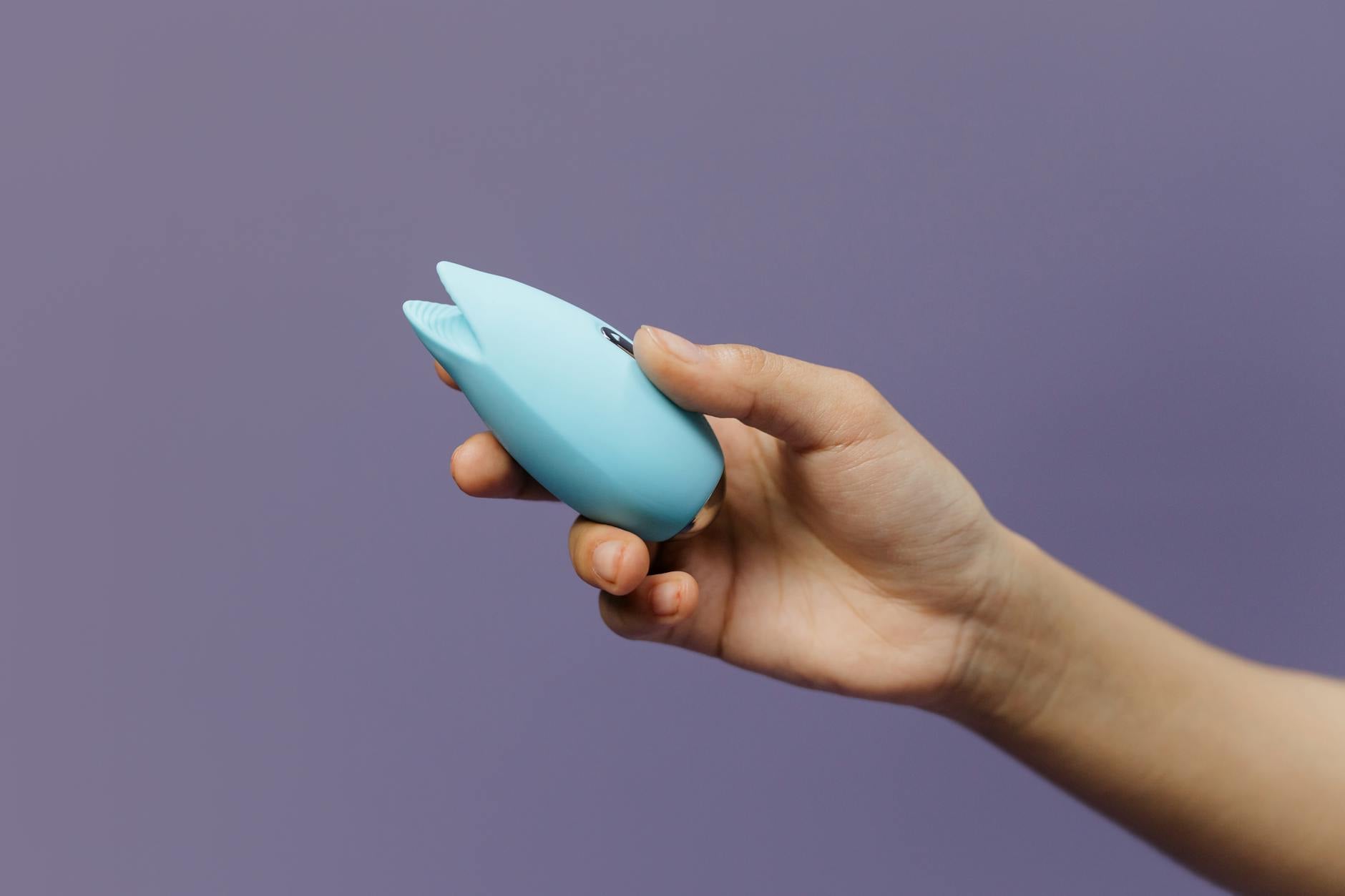
Let's talk about the thing you're actually nervous about
Honestly, introducing a lemon vibrator to a new partner isn't about the toy. It's about saying out loud: "This is what brings me pleasure. I want you to know it. I want you to be part of it." That feels vulnerable. And it should, because vulnerability is the whole point.
The good news: most partners find this moment hot, not awkward. The better news: there's a specific way to handle it that turns nervous energy into actual intimacy.
Why a new partner changes everything
With a long-term partner, you've already had a hundred small conversations. Sex has its rhythm. But with someone new, you're both still in the watching-what-the-other-person-wants phase. This is actually the perfect time to be direct about pleasure, because everything still feels open.
The mistake most people make is waiting too long. They wait until they've had sex a handful of times, thinking they're being less awkward. Wrong. The longer you wait, the more it feels like you're revealing a secret instead of sharing a preference. Bring it up early. Not on the first date. But early enough that it feels like information you're offering, not a confession you're making.
Research in relationship psychology shows that partners who communicate about sexual preferences explicitly in the first 4 to 6 weeks report higher satisfaction long-term. It's not because the conversation itself is sexy. It's because you've signaled that honesty matters more than protecting an image.
How to actually start the conversation
Forget the perfect moment. There isn't one. You're looking for: alone, relaxed, clothed, not right before sex.
Here's a real opener: "Hey, I want to talk about something that might feel weird to bring up, but I'd rather say it than have it feel like a surprise later. I really enjoy using a clitoral vibrator. I want you to know that about me, and I'd like to explore it together if you're open to it."
That sentence does three things at once. It acknowledges the potential awkwardness (which makes it less awkward). It's factual, not emotional. And it gives your partner an immediate choice: "Are you open to this?"
Their response tells you everything. If they say yes immediately, great. If they ask questions, answer them directly. If they need time to think about it, that's information too. Both of you deserve to know where you stand before you're in the middle of something.
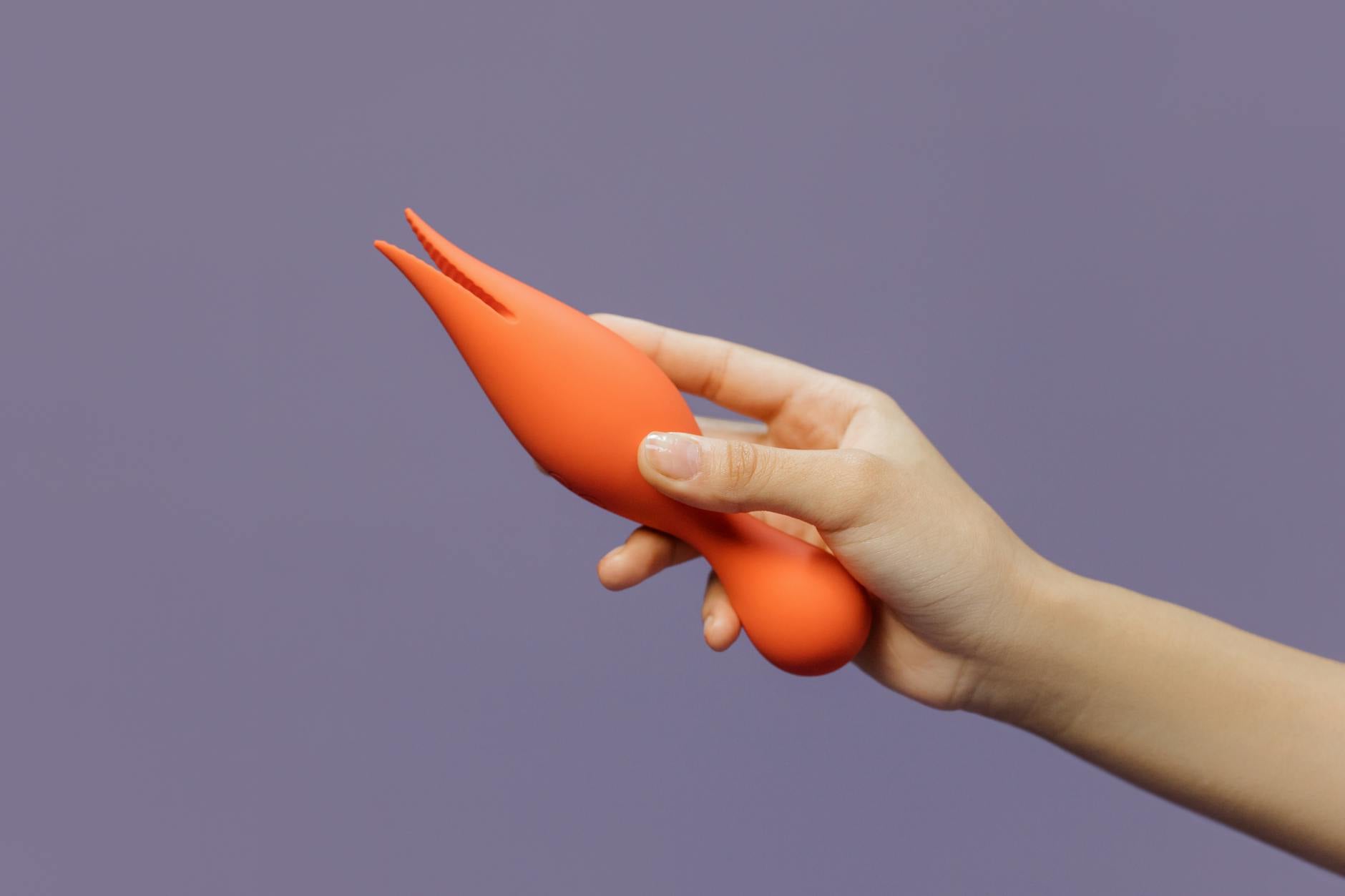
Photo by cottonbro studio on Pexels
Why the Lem Vibrator specifically works better with new partners
There's a practical reason to choose a lemon clitoral vibrator over other options when you're introducing toys to someone new. The Lem uses suction stimulation, not vibration. That changes everything about how a partner perceives their role.
With a traditional vibrator, a new partner sometimes feels like they're being replaced. (Unfair, but real.) With a lemon sucker like the Lem, the sensation is completely different from what fingers or a partner can do. You're not comparing. You're expanding.
Second: the Lem is small and self-contained. There's no ambiguity about what it does or how it works. Your partner isn't trying to figure out settings or intensity. They can see exactly what's happening and feel confident about what you're experiencing.
Third: air-suction clitoral vibrators require less explanation. You're not asking your partner to understand variable patterns or battery life. You're just saying, "This feels good on my body. Want to see?"
The first time you actually use it together
Plan for this to happen during foreplay, not as the main event. You're introducing it, not making it the centerpiece.
Start solo. Spend 5 to 10 minutes with the Lem while your partner is present and touching you elsewhere. This is crucial. It removes the pressure for them to "do something right." You're showing them what you like. They get to watch and participate in whatever way feels natural.
Once you're aroused, your partner can take over if they want. Or they can keep doing what they're already doing while you use the toy. Both work. The point is that you're making space for them to engage, not asking them to step back.
Communicate in real time. "That feels good." "I like it when you do that while I'm using the Lem." "Can you move closer?" These small statements anchor the moment for both of you. They're not about the toy. They're about the fact that you're both present and paying attention.
When your partner wants to use it on you
This happens naturally, usually after the first or second time you use it together. They'll ask, or they'll reach for it. Let them. Give them basic instructions: start at a lower setting, pay attention to your facial expression, ask if it feels good.
The thing is, your partner doesn't have to be "good at it" for this to work. They just have to be thoughtful. If something doesn't feel right, tell them immediately. "A little lower" or "Can you move it slightly?" These corrections aren't rejections. They're the conversation continuing.
Many couples find that the Lem becomes a shared tool pretty quickly. Your partner gets to actively participate in your pleasure in a way that's different from intercourse. That's bonding. That's not awkward. That's intimacy.
What to do if your partner seems uncomfortable
First: don't push. If they're not ready, they're not ready. Pushing turns this into a conflict instead of a conversation.
Second: ask what's making them uncomfortable. Is it the toy itself? The idea that you used it before them? Worry that they're being replaced? Different answers need different responses.
If it's "I feel like I'm not enough," that's a story they're telling themselves, not a fact. You can say: "I like what you do with your body. This is different. Both things are true at the same time. I want to experience both."
If it's "I'm just not comfortable with toys," okay. That's a boundary. You can respect it and still use the Lem solo. Or you can ask them to sit with the discomfort for a while and see if it shifts. Sometimes discomfort is just unfamiliarity. Sometimes it's a real boundary. You need time to tell the difference.
How this deepens trust way faster than you'd expect
Here's what happens when you're honest about what you want early on: your partner realizes that you're not performing for them. You're being yourself. That's incredibly rare. Most people are still managing their image at this stage of a relationship.
When you hand them a tool and say, "This is part of what makes me feel good," you're saying: "I trust you with my pleasure. I trust you to care about it even though it's not directly about you." That's the actual intimacy.
Long-term couples who introduce toys together in the first few months of the relationship report more spontaneous desire later. Not because toys are magic. But because they established early that pleasure is collaborative, not competitive. That carries forward into everything else.
The lemon vibrator as a conversation starter
Once you've brought the Lem into the bedroom, other conversations get easier. If you want to try something else, ask for what you need, or set a boundary, you've already done the hard part. You've shown your partner that you're willing to be honest about sex. That's the foundation everything else is built on.
Bring the toy up without shame. Your pleasure matters. Your partner's comfort matters too. Most of the time, both things can be true at once.
People also ask
How soon into dating should you introduce a vibrator to a new partner?
Anywhere from week three to week six is ideal. You want to wait long enough that you've had sex a few times and established some rapport. You don't want to wait so long that it feels like a secret you're keeping. Early enough that introducing it feels like normal information sharing, not a confession. The framing changes everything. "Here's something I like" lands very differently than "I have something I need to tell you."
Will using a lemon clitoral vibrator with a new partner make them feel inadequate?
Not if you frame it correctly. The Lem is an addition, not a replacement. Many new partners actually find it hot because it lets them see exactly what you're enjoying. You're not disappearing into private pleasure. You're inviting them to witness and participate in it. That's the opposite of making them feel left out.
Can I use a lemon sexual toy on my own before introducing it to a new partner?
Absolutely. Actually, you should. Know how it feels on your body, what settings you prefer, what angles work best. When your partner asks questions, you'll have real answers. "It feels like concentrated pressure on the sides of my clitoris" is way more helpful than "It just feels good." Plus, using it solo first means you're confident when you bring it into partnered sex.
What if my new partner wants to use the Lem on me immediately and I'm not comfortable?
Say so. "I want to get used to it myself first, and then we can explore it together" is completely fine. There's no timeline here. You're setting the pace because it's your body. A partner who respects that is showing you something important: they care about your comfort more than their own curiosity. That's good information.
Is it weird to introduce a lemon sucker vibrator before introducing other types of toys?
Not at all. The Lem is actually a great entry point because it's intuitive. There's no learning curve. Your partner can see what's happening and understand the sensation conceptually even if they've never experienced it. Start here. If you both want to explore other lemon adult toys or sensations later, you've already established the precedent that pleasure is collaborative.
How do I know if my new partner is actually okay with using the Lem together or just saying yes to make me happy?
Pay attention to their body language and tone. "Yeah, okay" is different from "Yeah, I want to try that." If they seem hesitant, ask directly: "Do you actually want to do this, or are you saying yes because you think I want you to?" Most people will tell you the truth if you give them explicit permission to. If they do say they're uncomfortable, believe them. And then decide whether you want to continue dating someone whose boundaries don't align with yours on this. That's fair information to have early.