Here's the thing nobody tells you about perimenopause
Your libido doesn't just dip during perimenopause. It can vanish for months, reappear for two weeks, then ghost you again. This isn't weakness or relationship trouble. It's your brain and body arguing about what estrogen and progesterone are supposed to do.
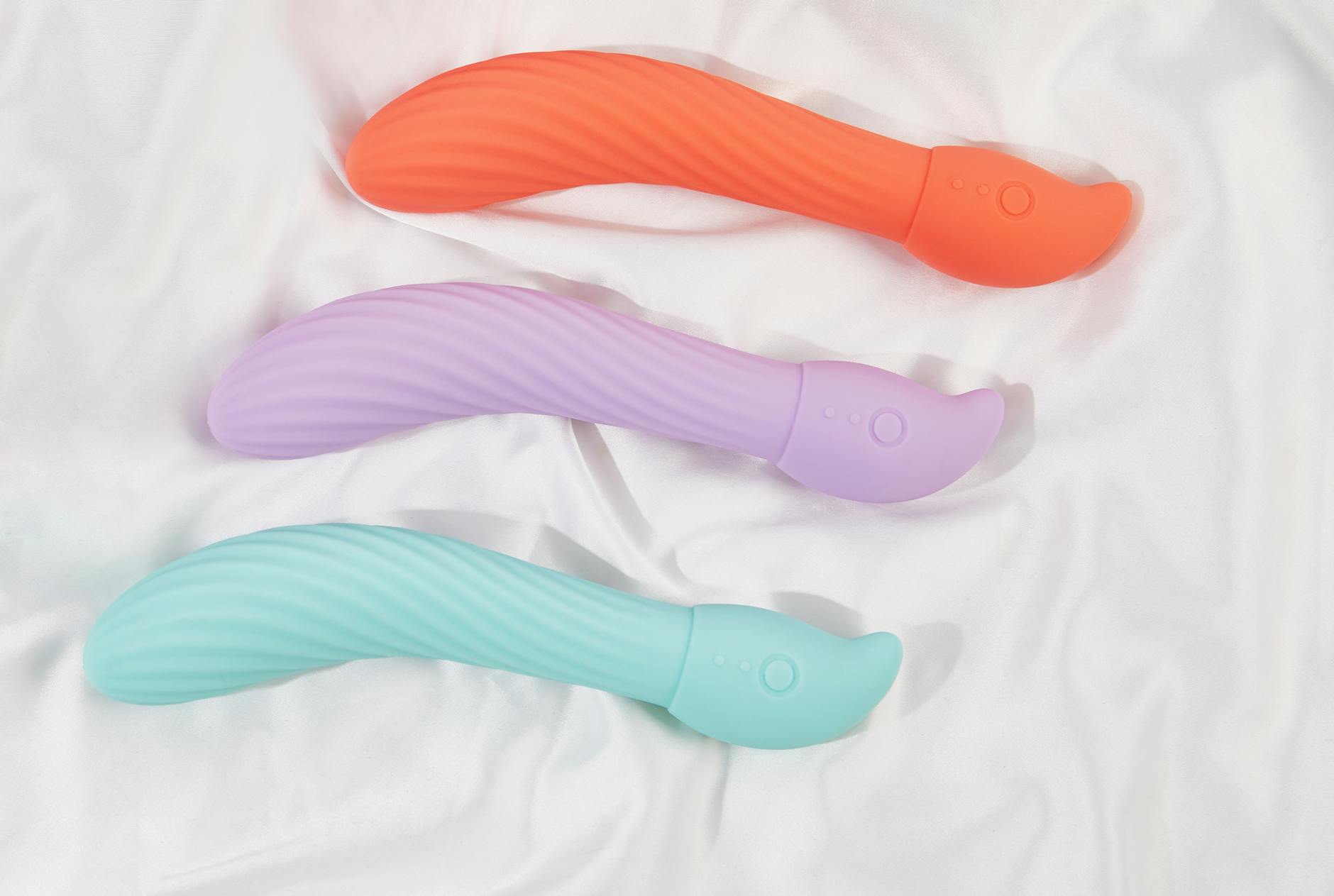
Most people assume low desire means the end of pleasure. It doesn't. It means you need a different entry point. A lemon vibrator, specifically a clitoral vibrator like the Lem, bypasses motivation entirely and taps directly into sensation. That distinction saves lives. Or at least Saturday nights.
Why perimenopause tanks desire so hard
Let's be precise about what's happening. Estrogen doesn't drop steadily in perimenopause. It swings wildly. One week your baseline is normal, the next it's half. Your brain is trying to predict what your body needs, and it's constantly guessing wrong.
That fluctuation messes with two critical desire drivers: dopamine and norepinephrine. Both depend on stable estrogen. When estrogen swings, those neurotransmitters get confused. You don't feel the urge to initiate. You don't feel hungry for touch. Your partner touches you and you think about the grocery list instead of staying present.
Add to this: progesterone is often rising at the same time, which makes you feel sedated, anxious, or both. The two hormones are working against each other, and your nervous system is caught in the middle.
That's not your fault. It's biology being remarkably inefficient.
Why a vibrator works when motivation won't
Here's the workaround. Desire comes from your brain. Arousal comes from your body. Perimenopause murders desire but leaves arousal available. The Lem and other clitoral vibrators don't wait for you to feel motivated. They create sensation directly. Your body responds, your nervous system calms down, and then your brain follows.
I'm not saying you'll wake up horny. I'm saying that if you spend five minutes with a lemon vibrator, you might. That's the gap you're trying to bridge right now.
The air-suction pattern of the Lem matters here too. It doesn't require you to be already aroused to feel good. Friction-based vibrators demand some baseline moisture and engorgement. The Lem creates suction, which draws blood into tissue and triggers response. You feel it immediately, even on a low day.
The practical approach: starting small
Don't schedule "sex" right now. Schedule "five minutes with the Lem." That's it. No pressure to orgasm, no expectation of what comes next. Just sensation.
Pick a time when you're not exhausted. For most people in perimenopause, that's the morning or early afternoon. Evenings are chaos. Your nervous system is already shot from the day.
Use water-based lubricant even if you think you don't need it. Perimenopause can thin tissue, and you want comfort more than you want to test your threshold. Apply the lubricant, then use the lowest suction setting on the Lem. Not pattern 1. The lowest intensity on pattern 1.
Then you wait. Not hard. Just present. Give yourself three minutes of that, no more. If nothing happens, stop. You're not broken. You're just gathering data about what your body needs right now.
Repeat this three times before moving to pattern 2 or longer duration. Most people in perimenopause respond much better to short, frequent exposure than to long sessions. Your system is already overwhelmed. Don't add length to the equation yet.
How to layer this into partnership
If you're with a partner, this conversation matters: "I'm using this tool to rebuild sensation right now. This isn't about us. It's about me relearning my own body." That distinction prevents your partner from taking it personally and also frees you from performing for them.
Then, separately, ask them what they need. Do they want to be in the room? In another room? Helping, or giving you total privacy? There's no right answer. The right answer is the one that lets you relax.
Lowkey, a lot of partners actually feel relieved to have the pressure off. They're not the ones failing to trigger desire anymore. A tool is handling it. That shifts the dynamic entirely.
After a few weeks of solo practice, you can invite them in. But keep the first five minutes yours. You're the one who knows what your body is doing. Let them join as a witness, not as the one driving the experience.
The timeline isn't linear
Some days you'll use the Lem and feel nothing. Some days you'll feel everything. That's normal in perimenopause. Your hormone levels are chaotic. Your response will be chaotic too.
Don't keep a spreadsheet or judge yourself by consistency. Just keep showing up when you can. Two or three times a week is enough. You're not trying to fix yourself. You're staying connected to the possibility of pleasure while your hormones sort themselves out.
There's also a legitimate chance that at some point, you'll feel desire again. It might not be the desire you knew before. It might feel different, quieter, or show up at unexpected times. That's not worse. It's just different. And you want to be ready to notice it when it arrives.
What helps alongside the Lem
A clitoral vibrator isn't magic. It's a tool. The real work is the nervous system regulation happening in the background. Three things that matter as much as the Lem itself:
Movement. Thirty minutes of walking or gentle exercise most days genuinely improves dopamine and norepinephrine. You don't need to be breathless. Just moving.
Sleep. Perimenopause is already murdering sleep. Poor sleep tanks desire further. If you're getting fewer than six hours, everything else fails. That's not attitude. That's neurobiology.
Stress management. I don't mean meditation apps. I mean the thing that actually makes you feel calmer. For some people, it's talking with a friend. For others, it's being alone. For others, it's moving. Do the thing that makes your nervous system feel safe.
Add those three, use the Lem two or three times a week, and you're giving yourself the best chance of rebuilding connection to your own arousal.
When to talk to a doctor
If you're six months into this approach and still feeling nothing, talk to your GP. Not because something is wrong, but because perimenopause treatment options exist and you deserve them. Some people benefit from transdermal estrogen. Others do better with a combination of estrogen and progesterone. Some need a different approach entirely.
It's also worth checking whether something else is tanking desire. Thyroid dysfunction mimics perimenopause. So do certain medications. So does untreated anxiety or depression. A good doctor can help you untangle which is which.
In the meantime, a lemon vibrator isn't a substitute for medical care. It's a way to stay sane and present in your own body while you figure out what's happening.
You're not broken
Lost desire during perimenopause is so common that you're genuinely in the majority. Everywhere you look, people are pretending they're fine while their libido has left the country. You're just being honest about it. That's already the hardest part.
The Lem, used gently and consistently, is a permission slip to yourself. It says: my pleasure matters. My body matters. I'm not waiting for motivation to return. I'm building sensation now. Everything that comes after that is a bonus.