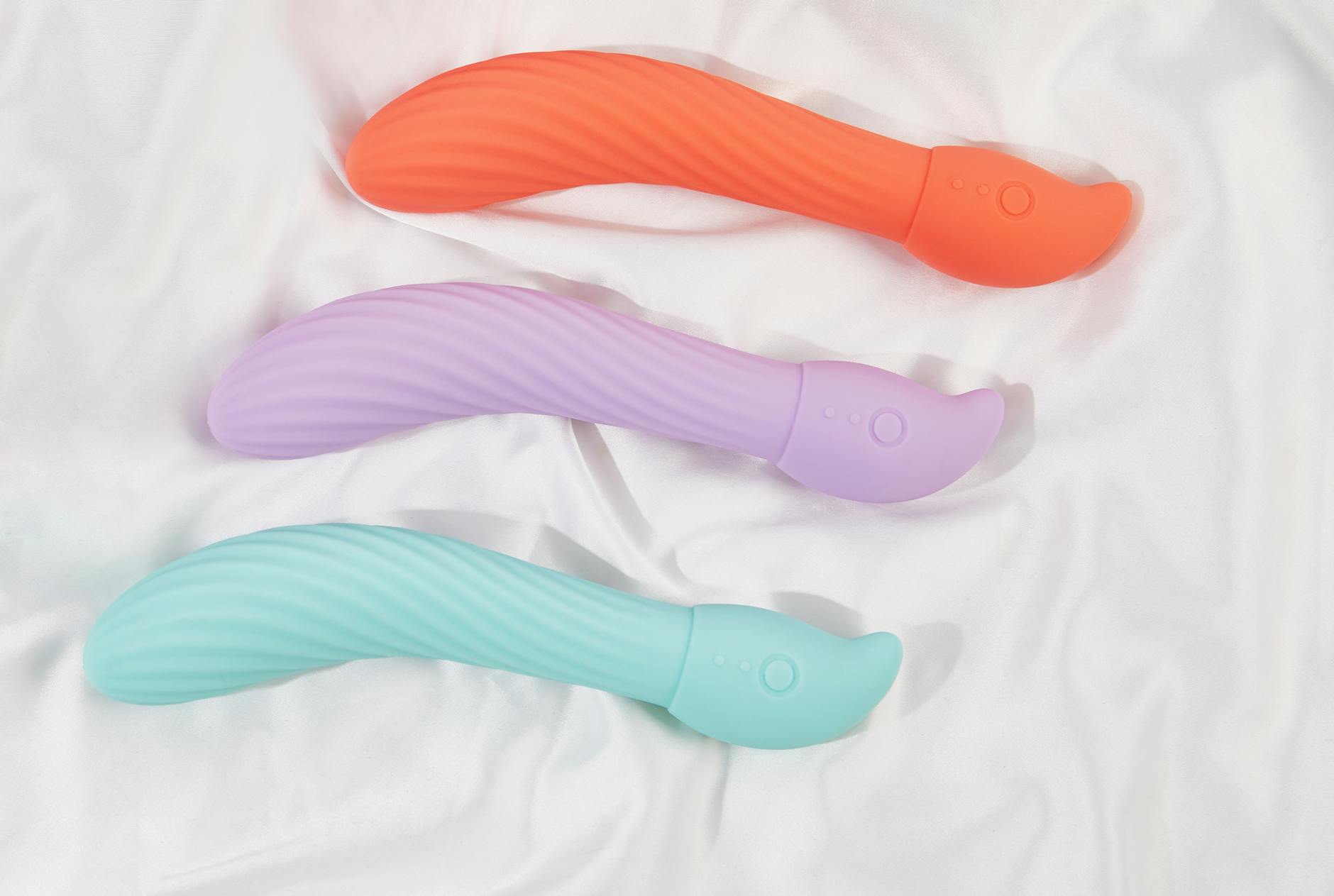
Here's what no one tells you about hormonal birth control and pleasure
Hormonal contraception is reliable. Hormonal contraception is convenient. Hormonal contraception also, for a lot of people, quietly tanks sexual sensation and desire in ways that feel impossible to fix. You're not imagining it. This is real, documented, and surprisingly common.
The worst part? Most people don't connect the dots. They blame stress, their partner, themselves, or assume this is just how pleasure works now. But the timing is rarely coincidence. If your orgasms became harder to reach, less intense, or stopped happening altogether within a few months of starting the pill, the patch, the implant, or an IUD, there's a direct line to draw. And more importantly, there are tools that actually work to rebuild sensation.
Why hormonal contraception dampens sensation
Hormones regulate blood flow, nerve sensitivity, lubrication, and the neurotransmitters that trigger arousal in your brain. Synthetic estrogen and progestin don't just prevent pregnancy. They flatten the hormonal peaks and valleys that your pleasure system evolved to ride on.
Think of natural hormonal cycles like a music equalizer. Peak estrogen cranks up sensitivity, lubrication, and blood flow to the genitals. Peak testosterone sharpens desire and nerve endings. Hormonal birth control flattens the whole thing to a steady baseline.
The result? Your clitoris gets less blood, your nerve endings register sensation less sharply, and your brain gets less dopamine during arousal. You're not broken. Your system is being chemically overridden. The sensation loss is dose-dependent, meaning different formulations hit different people in different ways. But for many of us on hormonal contraception, the dampening is real and significant.
Why lemon vibrators work when other approaches don't
Most vibrators use percussion. They buzz or vibrate at a set frequency, trying to force stimulation onto tissue that's already underresponsive.
Lemon clitoral vibrators work differently. They use suction. This is a distinct sensation pathway. Suction doesn't require the same level of baseline nerve sensitivity that direct vibration does. It creates a gentle pulling sensation that draws blood into the clitoris and activates different nerve endings than traditional vibration alone.
For people with flattened sensation from hormonal contraception, this is the difference between a dead signal and one that actually registers. Suction wakes up tissue in a way that doesn't rely on existing sensitivity levels. You're not trying to feel something that's been chemically muted. You're accessing a different stimulation method entirely.
Some people find they can reach orgasm with a lemon sucker after hormonal birth control muted all other toys. Others find the sensation building is much faster, or that intensity needs less warm-up time. The reason is neurological, not psychological.
The first step: understanding your personal baseline
Before you start, check in with what sensation actually feels like now. This isn't sad or depressing. It's practical.
When you touch yourself without any toy, what do you feel? Sharp? Muted? Responsive? Numb? Are there areas of your genitals that feel more or less sensitive than others? On a scale of one to ten, if a normal pre-contraception sensation was a seven, where are you now?
You're not grading yourself. You're gathering data. This baseline matters because it tells you if you need to start low and build, or if you're so flattened that you need maximum intensity from the jump.
How to use a lemon vibrator to rebuild sensation
Step one: Start with patterns, not intensity. Lemon clitoral vibrators usually have multiple suction patterns. Begin on the gentlest setting. The whole point isn't to force an orgasm right now. It's to reintroduce the clitoris to sensation building in a way that actually registers.
Step two: Budget time. Hormonal contraception isn't subtle. Rebuilding responsiveness isn't fast. Give yourself at least fifteen to twenty minutes. No rushing. Your nervous system has been on a chemical dimmer for a while. It needs time to remember what arousal feels like.
Step three: Use lubrication. Even though lemon vibrators are designed for clitoral suction, the area works better with lubrication. Water-based lube adds glide and comfort, which means you can focus on sensation instead of friction. A small amount makes a genuine difference.
Step four: Explore patterns, not just intensity. Different suction patterns activate nerve endings in different ways. Cycle through the available patterns on a gentle setting. Notice which ones create a response. You might find that pattern three feels completely different from pattern one, even though they're similar intensities. That variation is what helps rebuild a flattened nervous system.
The emotional layer that nobody mentions
Being on hormonal contraception while your pleasure system goes offline can mess with your head. You might feel disconnected from your body. Broken. Less interested in sex entirely because the payoff isn't there anymore. You might blame your partner, or assume you've just aged out of desire.
All of that is understandable. None of it means you're actually broken.
Reclaiming pleasure after hormonal contraception is partly physical. But it's also about permission. Permission to spend time on your own pleasure without a goal. Permission to explore tools and approaches that feel different from what used to work. Permission to be patient with your body instead of frustrated with it.
This is especially true if you're in a relationship. If your partner knows you've been struggling with sensation or desire, rebuilding that part of yourself separately first is powerful. You reclaim the experience without the pressure of performing for someone else. Then, when sensation starts coming back, you bring that reclaimed experience into partnered sex with confidence instead of anxiety.
When you might need to switch contraception
Some people find that switching to a different formulation helps. Progestin-only pills affect the system differently than combined pills. Copper IUDs have zero hormonal impact but carry different considerations. There's no universal answer.
If you've been using a lemon clitoral vibrator consistently for six to eight weeks and sensation still isn't returning, talking to a doctor about alternatives is reasonable. Sometimes the formulation you're on just isn't compatible with your system's pleasure response, and a switch genuinely restores what was flattened.
But give the sensation-rebuilding approach time first. Most people see noticeable shifts within a month or two of consistent exploration. Your nervous system is adaptable. It just needs the right stimulus to remember what it's capable of.
The practical reality
Hormonal contraception is often the best choice available for pregnancy prevention and health. That doesn't mean you have to accept numbness as the cost. <a href="/en/blog/how-lemon-vibrators-help-with-sensation-loss-from-hormonal-birth-control">Understanding how lemon vibrators help restore sensation from hormonal birth control</a> is the first step toward making choices that work for both your prevention needs and your pleasure.
Rebuild at your own pace. Use the lemon sucker tool consistently but without pressure. Notice small shifts in sensation building, intensity, or the quality of orgasm. These aren't nothing. They're evidence that your nervous system is waking back up.
Your pleasure matters. Your body matters. And the tools exist to reclaim both.
People also ask
How long does it take to rebuild sensation after hormonal contraception?
Most people notice shifts within two to four weeks of consistent use. Full sensation rebuilding can take two to three months. The timeline depends on how long you've been on the contraception, which formulation you're using, and how frequently you're exploring. The key is consistency, not intensity. Weekly exploration won't shift much. Several times a week usually does.
Can you use a lemon vibrator while still on hormonal contraception?
Absolutely. In fact, using a lemon clitoral vibrator while on hormonal contraception can help you reconnect with sensation even if you stay on the same formulation. Some people find that consistent use with suction-based toys helps their nervous system stay responsive despite the hormonal flattening. It's not a cure for the dampening effect, but it can reduce the impact.
Do different lemon vibrators work differently for sensation rebuilding?
Yes. The quality of suction matters. A stronger, more targeted suction pattern tends to be more effective for people with flattened sensation from hormonal contraception. The lemon clitoral vibrator is engineered for this specifically. The suction is consistent and graduated, which means you're not fighting against inconsistent stimulation while you're already working with reduced baseline sensitivity.
Is sensation loss from birth control permanent?
No. It reverses. Once you stop hormonal contraception, sensation typically returns to baseline within a few weeks to a few months, depending on how long you were on it. But using tools like lemon vibrators while on contraception can keep sensation more responsive in the meantime, rather than waiting for a full reset.
Does switching to copper IUD help with pleasure?
Copper IUDs contain no hormones, so they don't create the same neurological dampening. Many people report sensation returning fairly quickly after switching from hormonal to copper. That said, switching contraception is a big decision with other health implications. Talk to your doctor about what makes sense for your situation.
What if lemon vibrators don't help rebuild sensation?
If you've tried consistently for eight weeks without progress, other factors might be at play. Antidepressants, blood pressure medication, stress, and relationship dynamics can also flatten sensation. It's worth checking in with a doctor or therapist to rule out other causes. Sometimes the answer is switching contraception. Sometimes it's a combination of approaches.