
Here's the thing about your first lemon vibrator
You're probably nervous. That's completely normal. Most people feel some mix of curiosity, self-consciousness, and practical confusion when they're holding a clitoral vibrator for the first time. None of that means anything is wrong with you.
The goal here isn't enlightenment or earth-shattering sensation. It's just figuring out what your body likes, without performance pressure or weirdness attached.
Why beginners often get the experience wrong
Two mistakes show up constantly. First, people jump straight to the highest setting, which is like turning the shower dial all the way to hot. It's overwhelming and teaches your body that vibrators are "too intense" when really you just skipped the warmup. Second, they expect something magical to happen passively. Using a vibrator is active exploration, not passive reception.
Here's what actually matters: you're learning your own neural landscape. The vibrator is just the tool. You're the expert.
Before you turn anything on
Start with the basics.
Charge it fully. If you've got a rechargeable lemon clitoral vibrator like the Lem, plug it in for at least two hours before your first session. Dead batteries kill the vibe (literally and metaphorically). Low charge changes how the vibration pattern feels.
Read the instructions, seriously. I know. But your specific model will have waterproof ratings, button combinations, and charging details you actually need. Five minutes of reading saves you from a broken toy or dropped calls mid-session when you accidentally hit the Bluetooth button.
Find privacy and real time. This isn't something to rush through before your roommate gets home. Block out 20 to 30 minutes where you're genuinely alone and won't be interrupted. Your nervous system needs actual relaxation, not a timer.
Use lubricant. Water-based lube isn't just for partnered sex. It reduces friction on sensitive tissue, makes sensation feel smoother, and actually amplifies what you're experiencing. Put a small amount on your vulva before starting, not just on the toy.
The actual first-time process
Let's walk through this step by step.
Step one: Explore without power. Hold the vibrator. Feel its weight, its shape, how it fits in your hand. Run it over your inner thighs, your labia, your pubic mound. No vibration yet. This is about desensitizing yourself to touching your own vulva with something other than your fingers. It sounds basic, but that mental shift matters.
Step two: Warm up your arousal. Spend five to ten minutes doing whatever usually gets you going. Fantasies, erotic audio, your own touch, whatever. You don't need to be at peak arousal yet, just interested. The clitoral tissue needs blood flow and responsiveness for you to feel much of anything.
Step three: Turn it on at the lowest setting. Most lemon vibrators have a pattern button and an intensity button. Start at pattern one, intensity level one. This will probably feel subtle or even barely there. That's the point. Weird fact: your nerve endings adapt to stimulation really fast. If you start at setting five, by setting five it feels normal and you've got nowhere to go.
Step four: Hold it lightly against your clitoris. Not inside you, not grinding hard, not grinding at all. Think of it like holding a feather against your skin. Apply gentle pressure directly to your clitoral head or the hood above it. Some people need direct contact. Others prefer stimulation through the hood. You're figuring that out right now.
Step five: Give it time. Stay at level one for at least two minutes. I know that sounds glacial. But your body needs to register what's happening and your pleasure response needs time to build. If nothing's happening after two minutes, that's information too. Try a different spot, angle, or pressure.
Step six: Explore incrementally. If level one feels okay but not spectacular, bump to level two. Try different pressures and angles. Some people prefer the side of the clitoris. Others prefer direct stimulation. Some like circular motions (if your toy does that). There's no wrong answer here.
The exit plan. If you're not feeling anything after ten minutes, you're not broken. You might need more mental foreplay, different pressure, or just a different day. Put it down. Try again next week. Sometimes pressure and performance anxiety genuinely kill the process, and that's okay.
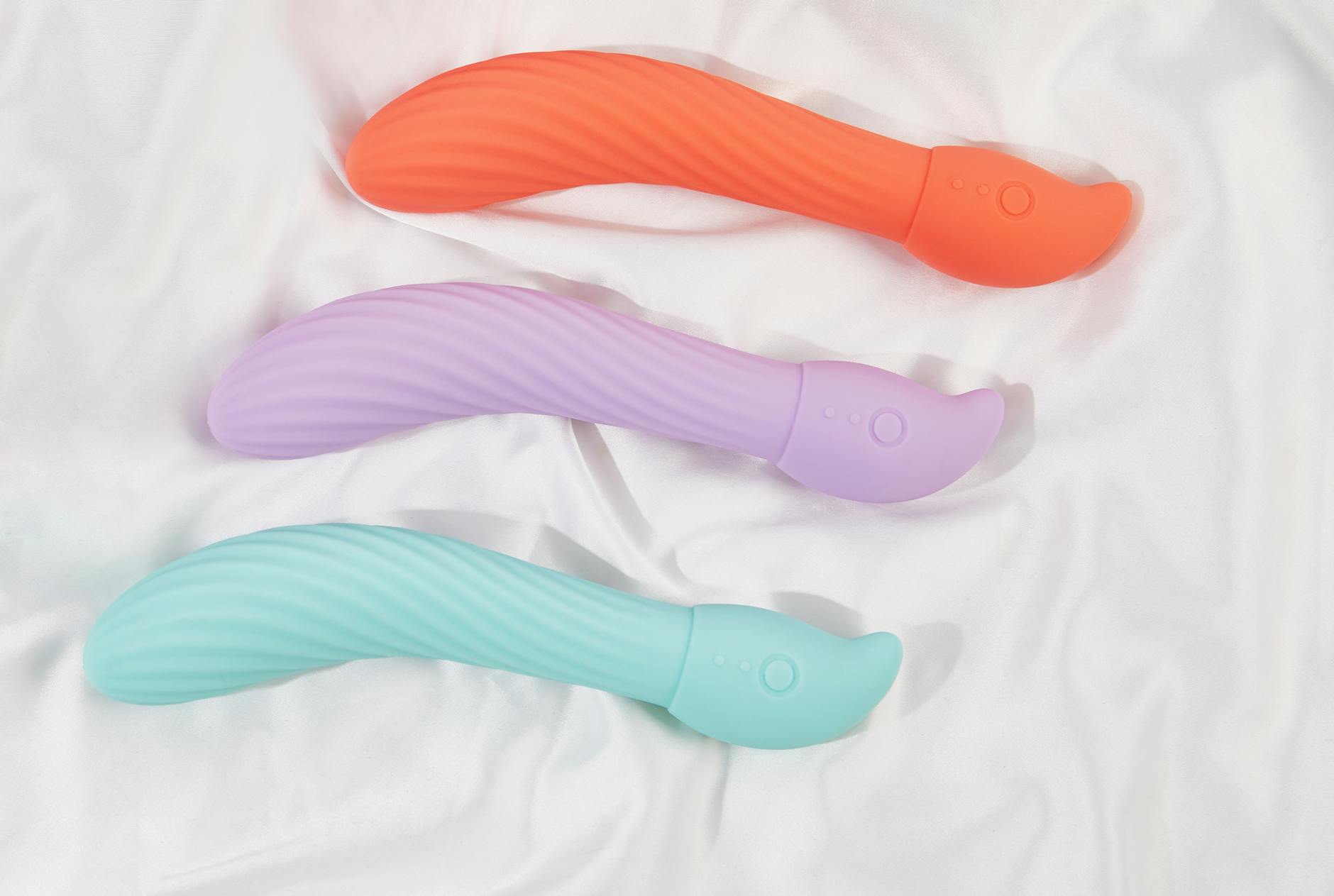
Photo by IFONNX Toys on Pexels
Common sensations and what they mean
You might feel buzzing, pulsing, or waves. You might feel a building pressure, tingling, or something almost electrical. You might feel nothing for a long time and then suddenly sensation clicks into place. All of these are normal.
Some people orgasm from vibrator use right away. Others need weeks or months of regular exploration. Some people never orgasm from vibration but love the sensation anyway. None of those outcomes is failure.
If anything hurts, stop immediately. Soreness after use isn't normal. Vibrators should feel good, not raw or painful. Adjust pressure and duration next time.
How to integrate it into solo or partnered pleasure
If you're using a lemon vibrator solo, you're learning your own anatomy without anyone else's timeline or expectations. That solo knowledge actually transfers directly into partnered sessions because you know exactly what works.
If you're using it with a partner, talk about it first. Not a conversation about whether they're "allowed" to use toys (they are, you're allowed to use toys), but practical stuff. Will they hold it? Will you? What patterns do you want to try? What's off-limits? This removes confusion in the moment.
Many couples find that adding a lemon clitoral vibrator actually solves problems. If you've struggled with reaching orgasm during partnered sex, a vibrator removes the pressure on your partner to be the sole source of your pleasure. That reframes the whole dynamic.
What to expect as you get more comfortable
Over time, your body will respond faster. Your preferences will get more specific. You might discover you like a totally different setting than you thought you would, or that combining vibration with something else (penetration, pressure, fantasy) changes everything.
Keep the toy clean. Water and mild soap between uses. Check the manufacturer's guidance on maintenance. A clean toy is a toy that lasts and doesn't introduce any unwanted bacteria.
If you're curious about trying something different, that's also fine. Maybe you want a wand vibrator instead. Maybe you want to explore with a partner. Maybe you want to layer sensations. Exploration is the whole point.
The mental shift that matters most
Here's what I tell people in counseling: using a vibrator isn't lazy or weird or a shortcut. It's knowing yourself. The more you know about your own pleasure, the better your solo experience, and the better your communication in any partnership. You're not replacing anything. You're adding information.
Take the pressure off. Your first time with a lemon vibrator doesn't have to be perfect. It just has to be honest.
People also ask
How long does it take to feel something with a clitoral vibrator as a beginner?
Most people feel at least some sensation within the first 30 seconds of turning it on at a low setting. But arousal and pleasure take longer to build. Expect five to ten minutes before anything feels truly good, and give yourself permission to need longer. First-time jitters genuinely slow your nervous system down, so patience actually matters. Come back to it regularly, and your body will respond faster each time.
Is it normal if I don't orgasm during my first attempt with a vibrator?
Completely normal. Orgasm isn't the goal of your first session. Comfort with the sensation is the goal. Some people get there eventually, some people enjoy vibrators without ever orgasming, and some people need weeks of regular use before their body trusts the sensation enough to release. If you're putting pressure on yourself to orgasm, you're actually making it harder. Relax into exploration instead.
Can I use a vibrator if I have a sensitive clitoris or vulva?
Yes, but start at the absolute lowest setting and use plenty of lubrication. Some people with extra sensitivity prefer stimulation through the clitoral hood rather than direct contact on the head itself. A lemon clitoral vibrator on setting one is gentle enough for most bodies, but honor your own feedback. If something hurts, that's your body's valid information, not something to push through.
What's the difference between using a vibrator solo versus with a partner?
Solo use is exploration on your own timeline with zero pressure. Partnered use adds communication, sometimes vulnerability, and the logistics of figuring out angles and pressure together. Neither is better. Solo helps you learn your own body, which then makes partnered use easier and more honest. Start solo if that feels right for you.
How often should I use a vibrator if I'm new to it?
There's no schedule. Use it whenever you want pleasure and have time to relax into it. Some people use vibrators weekly, some a few times a year. There's no "too much" as long as you're not causing soreness or numbness, and that's rare. Your body will tell you if something's off. The best frequency is whatever feels good to you without pressure.
Does using a vibrator make it harder to orgasm without one?
This is a myth. Your nervous system doesn't stop responding to other forms of stimulation just because you use a vibrator sometimes. That said, some people find their preference shifts once they know what vibration feels like. That's not dysfunction. That's just learning what you like. Your pleasure map is yours to define.
The real baseline
Your first lemon vibrator is a tool for self-knowledge, not a performance test. Start low, go slow, and give your body permission to surprise you. The best part about being a beginner is that everything is new. Use that.
If you have questions or want to talk through your specific situation, reach out. That's what we're here for.
Get in touch if you want personalized guidance on choosing the right toy or working through any discomfort.