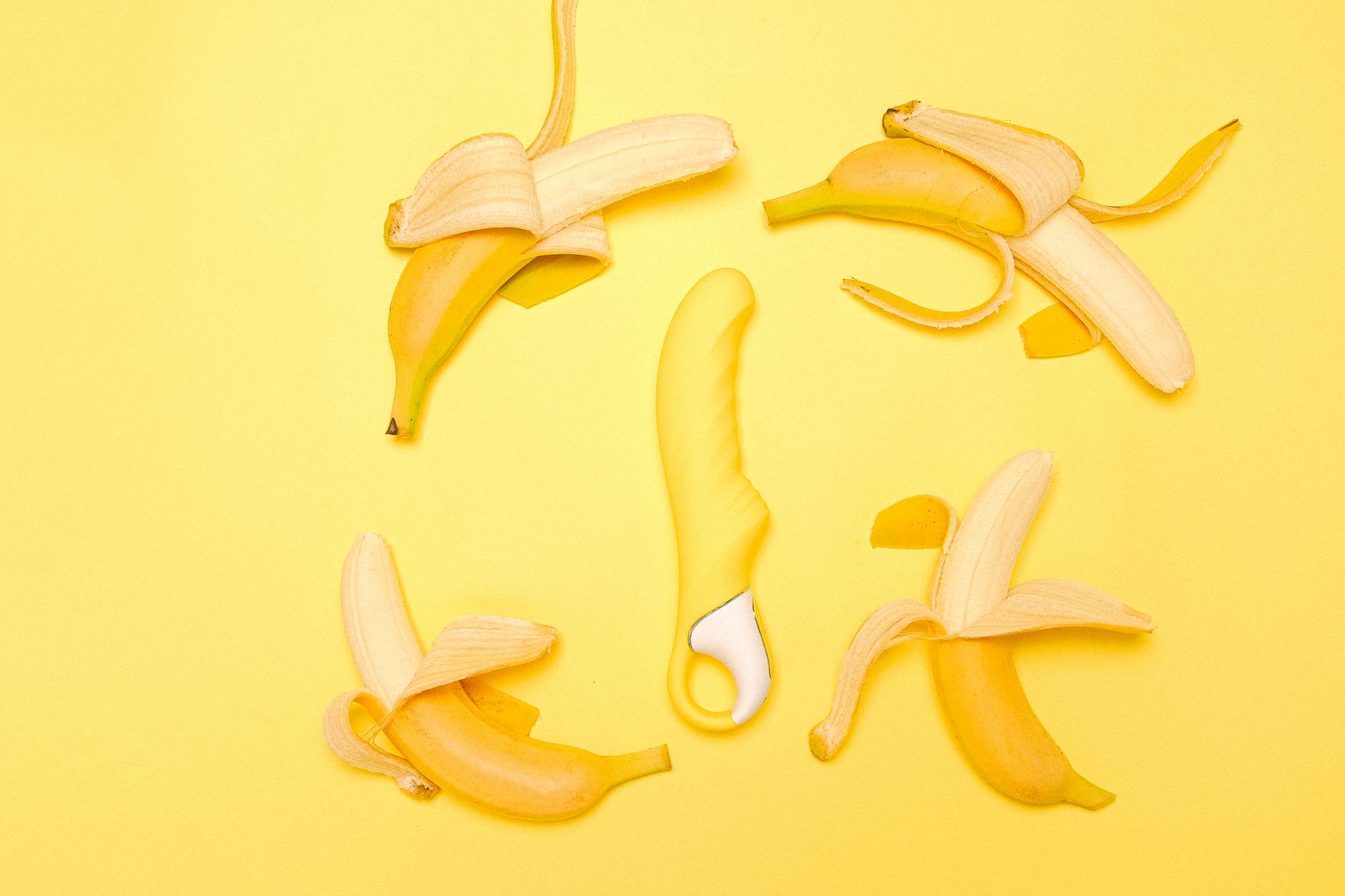
Here's the thing about lemon vibrators and pain
If using a lemon vibrator has caused discomfort, you're not broken and you're not alone. Pain during or after use is one of the most common questions I hear, and it's almost always a signal that something in your setup, technique, or body response needs adjusting. The good news: lemon vibrators, including the air-suction design of Hello Nancy's Lem, are generally gentler than you think once you dial in the right approach.
Let's talk about what's actually happening when pain shows up, why it matters, and the specific changes that fix it.
Why lemon vibrators sometimes cause discomfort
Three main culprits emerge. First, intensity level. Many people jump straight to pattern 3 or 4 on a lemon sucker or air-pulse vibrator when pattern 1 or 2 is the right entry point. The Lem uses suction rather than buzzing, which feels different from traditional vibrators, and that difference can feel intense if you're not prepared for it.
Second, duration and overstimulation. Clitoral tissue is delicate. Spending 15 or 20 minutes on the same spot without breaks can create rawness, soreness, or a numbing sensation that feels like pain. The clitoris needs variety and rest, even when things feel good.
Third, insufficient lubrication or prep. If the area isn't properly lubricated, the suction sensation can feel uncomfortable or even chafing. This is especially true for people with naturally drier tissue, those taking certain medications, or anyone not getting adequate warm-up time.
The intensity conversation
When I ask people about pain, the first adjustment is almost always intensity. The lemon clitoral vibrator is powerful, but power and comfort aren't the same thing. Start at pattern 1. I know that sounds conservative, but your nervous system will thank you.
Let pattern 1 do its job for a full session before moving up. Your body adapts. What feels underwhelming in minute one often feels completely different in minute ten. Moving to pattern 2 should happen only after you've had multiple sessions at pattern 1 and genuinely feel like you want more.
If you're already at pattern 3 or 4 and experiencing pain, step back to pattern 1 or 2 for your next two sessions. It's not a regression. It's recalibration.
Lubrication, warm-up, and tissue prep
Here's what I tell almost every client: lubrication isn't negotiable, and it's not just about friction. Good lubrication protects delicate tissue and changes how the air-suction sensation feels on the skin.
Use water-based lube generously. Not a tiny dab. Enough that the entire vulva and clitoral area feels slick before you turn on the lemon vibrator. Reapply every five minutes if you're going longer.
Warm-up matters too. Spend 5 to 10 minutes on self-touch, partnered touch, or other stimulation before introducing the lemon sucker. Arousal brings blood flow to the clitoral area, which makes tissue more resilient and pleasure more accessible. Jumping straight to the device without prep is like sprinting without a warmup.
Pressure and positioning
The way you hold the Hello Nancy Lem changes everything. Light pressure is almost always better than firm pressure when you're starting out. Many people press the suction cup hard against the clitoral hood, thinking more pressure equals more sensation.
Instead, try this: position the cup so there's a light seal, almost like the device is barely touching. The suction itself creates the sensation. Extra pressure doesn't add pleasure. It often creates discomfort or numbness.
Experiment with angle too. Sometimes direct contact with the clitoral glans is too intense. Try angling the Lem so it cups the clitoral mound or the labia instead. The sensation spreads differently, and for many people, it's more comfortable.
Duration and the break strategy
One session with a lemon vibrator should be 10 to 15 minutes maximum when you're learning. That's a real orgasm, not rushed, but also not pushing tissue endurance.
If you want longer sessions, build in breaks. Use the device for 3 to 5 minutes, rest for 1 to 2 minutes, then return. This prevents that raw, overstimulated feeling that shows up as discomfort or numbness. Your clitoris is literally saying "I need a second," and that's totally normal.
When pain might signal something else
Some pain is fixable with technique. Some pain is telling you something else is happening.
If you feel sharp pain, burning, or a sharp sting that doesn't ease with lower intensity or lubrication, stop and rest for a few days. If the pain returns with the lemon clitoral vibrator and doesn't happen with other types of stimulation, the device itself might not be the right fit for your body right now. That's fine. Explore other options.
If pain shows up across multiple types of stimulation, not just the Lem, you might be dealing with something like vulvodynia or another tissue sensitivity issue. A gynecologist or sexual health specialist can help rule that out. These conditions are treatable, and they're worth investigating if the pattern is consistent.
The numbing thing
That sensation where pleasure fades and the area goes numb? That's overstimulation, and it's your body's signal to stop. It doesn't mean the device is broken. It means you've hit the tissue's limit for that session.
If numbing happens regularly, reduce duration, lower intensity, or increase rest breaks. Many people find that once they dial in the right settings, numbing disappears entirely.
Medication and hormonal influences
Certain medications and hormonal phases can increase tissue sensitivity. Antihistamines, some antidepressants, and hormonal birth control all change lubrication and sensitivity levels.
If you're on medication and suddenly experiencing discomfort with the lemon sucker when you weren't before, that might be the culprit. Talk to your doctor about it, not because there's anything wrong with you, but because small adjustments to dosing or timing sometimes help.
Hormonal fluctuations matter too. Many people find their tissue is more sensitive right before their period or during certain phases of their cycle. Map when the pain happens. If it correlates with your cycle, that's information.
Partner communication and the pressure to perform
If you're using a lemon vibrator with a partner and pain shows up, the pressure to keep going is real. Don't. Pain isn't sexy. Pain isn't something to push through.
Tell your partner when discomfort starts. Pause. Adjust intensity, add lube, take a break. This is actually the hottest conversation you can have because it's honest. You're not failing. You're communicating.
Many couples find that slowing down and adjusting together builds more intimacy than silently struggling through discomfort would.
When to see a doctor
If pain is sharp, persistent, or doesn't improve with the adjustments above, book an appointment with a gynecologist or sexual health specialist. Pain during sexual activity sometimes signals vulvodynia, vaginismus, endometriosis, or another condition that deserves proper evaluation.
This isn't weakness. It's wisdom. A good provider will help you figure out what's happening and what actually works for your body.
The reset approach
If you've had a few uncomfortable sessions with your lemon vibrator, try this reset:
- Take three to five days off from the device completely.
- When you come back, start at pattern 1 with plenty of lube and a short session (10 minutes max).
- Use light pressure and focus on warm-up first.
- Stop before you feel any numbness or discomfort.
Most people find that this approach shifts things dramatically. Your body isn't rejecting the device. It just needs the right introduction.
FAQ
Why does my lemon vibrator cause rawness inside?
Rawness usually comes from a combination of insufficient lubrication and overstimulation. Make sure you're using plenty of water-based lube, starting at the lowest intensity, and keeping sessions to 10 to 15 minutes. If rawness persists even with good lube and lower intensity, take a break for a few days and consider whether your tissue sensitivity might be related to hormones, medications, or an underlying condition worth discussing with a doctor.
Can I use a lemon clitoral vibrator if I have sensitive skin?
Yes, but with adjustments. Sensitive skin often benefits from lower intensity, shorter sessions, and generous lubrication. The air-suction technology of the Lem is actually gentler than traditional vibration for many people with sensitive tissue because it distributes pressure more evenly. Start conservatively and build from there.
Is it normal for my clitoris to hurt after using a lemon sucker?
Some tenderness is normal, especially if you're new to vibrators or used higher intensity than your tissue was ready for. But sharp pain or pain that lasts for hours isn't normal and warrants a break and possibly a doctor's visit. Mild soreness that fades within a few hours is usually just your body adjusting.
What if only certain patterns on the Lem hurt?
That's useful information. Stick with the patterns that feel good and skip the ones that cause pain. Your body is telling you what works. You don't need to use every pattern. Find the rhythm that brings pleasure and stay there.
Can lube make a difference with lemon vibrator pain?
Absolutely. Switching from no lube to water-based lube changes the entire experience for most people. The suction sensation becomes smoother, less raw. Make sure you're using enough and reapplying as needed. Silicone lube feels richer but can degrade silicone toys, so stick with water-based for lemon vibrators.
Should I see a doctor if my lemon vibrator is causing pain?
If pain is sharp, doesn't improve with the adjustments above, or shows up across multiple types of stimulation, yes. A gynecologist or sexual health specialist can rule out underlying conditions like vulvodynia or vaginismus and give you real solutions tailored to your body.
The real shift
Your pleasure is the point. If a lemon vibrator or any other device isn't bringing that, something needs to change. Sometimes it's technique. Sometimes it's intensity. Sometimes it's just not the right tool for your body right now, and that's completely okay.
Pay attention to what your body is telling you. Adjust slowly. Use good lube. Start low. Build from there. Most people find that with these small shifts, lemon vibrators become exactly what they're supposed to be: sources of real, sustainable pleasure.
If you're still struggling after trying these adjustments, reach out. We're here to help you figure this out.