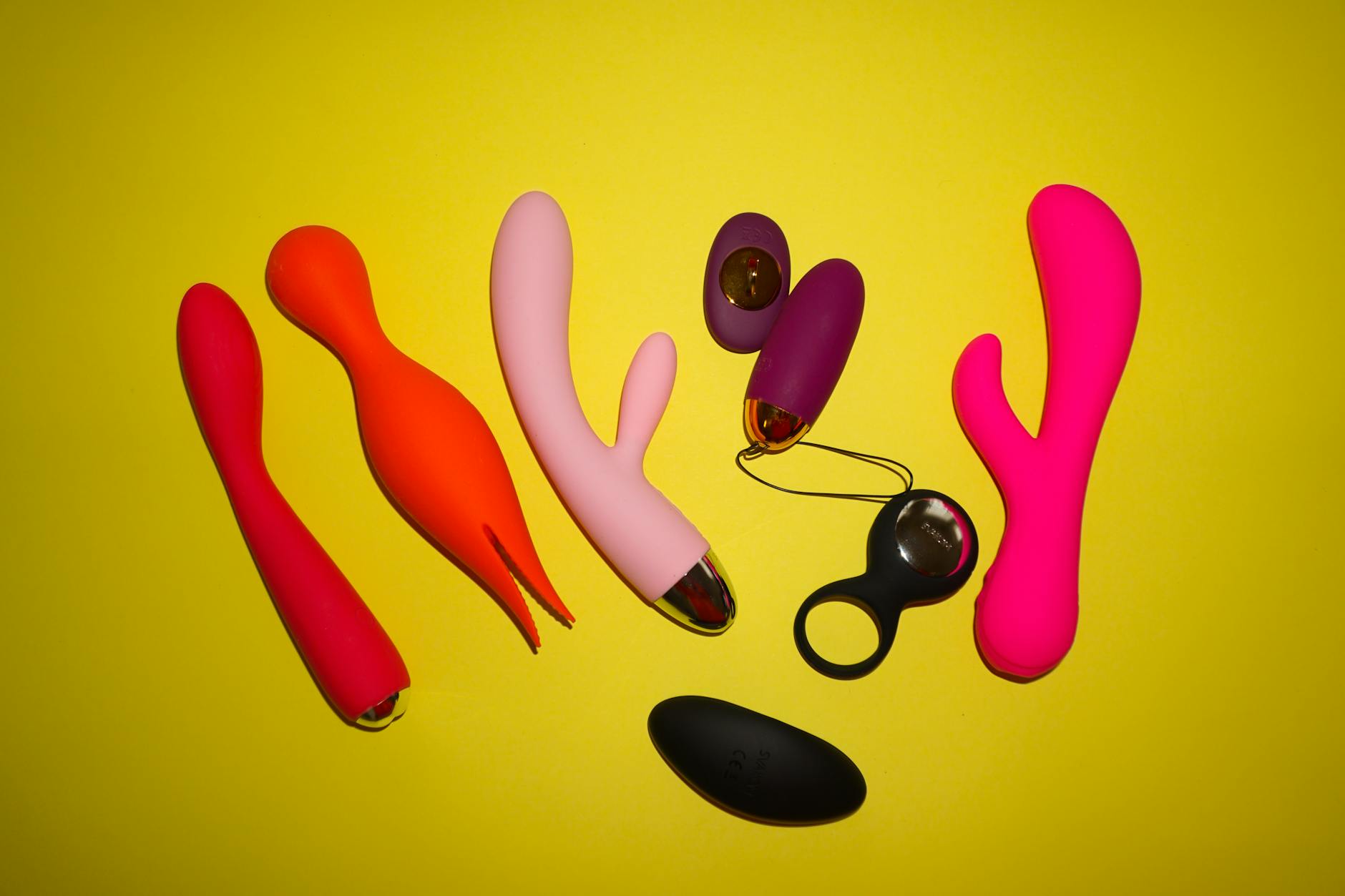
Let's be honest about the fear
You want to introduce a lemon vibrator to your sex life with your partner. And you're catastrophizing. You're imagining rejection, feeling insulted, the phrase "am I not enough for you." You're picturing the conversation ending with awkward silence and resentment simmering for weeks. So you don't say anything. You keep scrolling through the Hello Nancy shop. You add it to your cart three times. You delete it. Repeat.
Here's what I know from two decades of couples therapy: that fear is not about the toy. It's about what you think the toy means. And that's exactly where we need to start.
What the vibrator actually represents (and what it doesn't)
When you bring a lemon clitoral vibrator into your relationship, you're not saying your partner isn't enough. You're saying your body deserves attention in a specific way. You're saying pleasure matters. You're saying "I want us to explore this together."
Your partner might hear something different at first. They might hear "you can't satisfy me alone." That's a story they tell themselves, not a fact. And if you frame the conversation right, you interrupt that story before it starts.
The reframe: a lemon vibrator isn't a replacement. It's an instrument. Like the difference between listening to a song on your phone speaker versus on really good headphones. The song doesn't change. The sound quality does. You're not replacing your phone speaker. You're expanding what you can hear.
The conversation that actually works
Timing matters. Don't bring this up mid-argument, during a stressful work week, or when you're already feeling distant. Pick a moment when you're both relaxed, fed, and connected. Not in bed. This conversation is about vulnerability, not seduction.
Open with honesty, not strategy. Say something like: "I've been thinking about how to bring this up, and I'm a little nervous. But I want to try something new, and I want to do it with you."
Notice what you didn't do: you didn't minimize your needs. You didn't apologize. You named the nerves, which signals safety. Partners respond to honesty far better than to careful performance.
Then explain what you actually want. "I think exploring a lemon vibrator could feel really good. I'm curious about my own body, and I think it could actually be fun for us to explore it together." Make it about curiosity, not complaint. Make it collaborative.
If your partner pushes back or goes quiet, resist the urge to backfill the silence with reassurance or justification. Ask instead: "What are you thinking?" Let them articulate their actual concern, not the worst-case version in their head. Often the concern is smaller and more solvable than the silence suggested.
When the answer is resistance
Some partners will say no. Not "let me think about it." Actually no.
If that happens, your response matters. Don't argue. Don't cry. Don't sulk. Say something like: "I hear you. Can you help me understand what doesn't sit right?" Listen to the answer. It might be insecurity. It might be a misunderstanding. It might be a genuine boundary.
Insecurity is solvable. "I'm worried I'm not enough" can turn into a real conversation about what enough looks like in your relationship. "I don't understand why you want it" becomes an education moment. You show your partner the toy. You talk about sensation, not performance.
A genuine boundary is different. If your partner genuinely doesn't want toys in the bedroom, that's information. You can decide if you can live with that boundary, or if not having this specific exploration matters too much. But you decide from a place of clarity, not resentment brewing in silence.
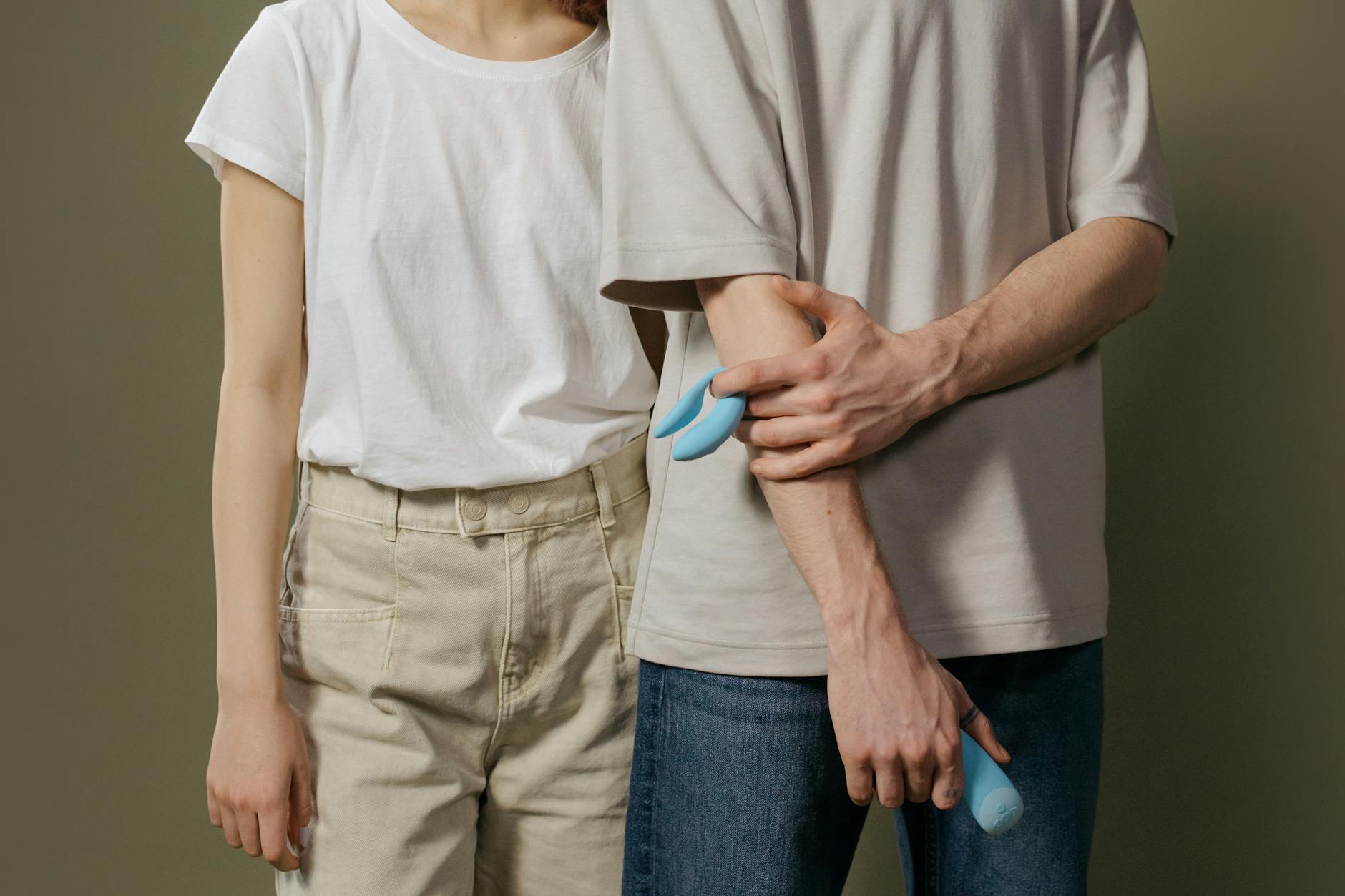
Photo by cottonbro studio on Pexels
Bringing it into the bedroom (when they say yes)
If your partner agrees, don't jump straight to using it. The trust-building starts way before. Show them the toy. Let them hold it. Talk about how it works. Answer their questions. This demystifies it and signals that you're not hiding anything.
On first use, go slow. Many partners find it arousing to use a lemon vibrator on their partner. Some feel anxious. You'll discover which your partner is as you go. If they seem uncomfortable, pause. Say "let's figure this out together." Maybe they hold it. Maybe they're inside you while you use it on yourself. Maybe they use it on you while you do something for them. The options are endless, and you get to invent.
The pleasure is real. When you orgasm from a clitoral vibrator with your partner present, you're not having a private experience. You're inviting them in. You're showing them what your body likes. That's intimate in a way that goes way beyond physical sensation.
What changes after you introduce it
Couples I've worked with report that naming desire and bringing toys into the relationship actually deepens other parts of connection. You've practiced vulnerability. You've had an awkward conversation and survived it. You've discovered each other differently. The sex becomes less about performance and more about exploration.
Your partner might also ask to use a lemon vibrator on themselves. They might want their own. Or they might stick with how they like to be touched. All of these are fine. What matters is that you've opened a door together.
Consider also that this is just one conversation in a longer dialogue about pleasure. Once you've introduced the vibrator, you might talk about rhythm preferences, what happens when you come, what kinds of touch feel different at different points in your cycle. You're building a vocabulary for something that's been mostly silent.
If you're in a longer-term relationship, this conversation can be a reset point. It says "we're still learning about each other." That matters when familiarity has started to feel like routine.
The biggest mistake to avoid
Don't apologize for wanting this. Don't frame it as something your partner needs to do for you out of love or obligation. Frame it as something you're inviting them to experience with you. There's a huge difference in how that lands.
Also don't expect the conversation to go perfectly. You might fumble the words. Your partner might need time to process. They might cycle through feelings. None of that is failure. Couples therapy is full of people who had clumsy conversations and came out stronger.
If resistance is really stuck after a genuine attempt at conversation, and this matters to you, couples counseling is not overkill. It's a framework for having the hard conversation with a professional in the room. That's exactly what it's for.
FAQ
Is wanting to use a vibrator with my partner normal?
Completely. Research consistently shows that couples who use vibrators report higher satisfaction. It's not edgy or unusual. It's one of the most straightforward ways to expand what feels good.
What if my partner thinks a lemon vibrator means I'm not attracted to them?
That's a story they're telling themselves, not a fact. Your job is to gently interrupt it. "I'm attracted to you and I want to feel this specific sensation. Those things are both true." You can't think your way out of someone's insecurity. You can be clear, patient, and consistent.
Should I let my partner pick out the vibrator?
It depends. If involving them feels like genuine collaboration, yes. If it feels like you're asking permission, pick the one that appeals to you. This is your body. You get to have preferences about what touches it. That said, showing your partner the lemon vibrators at Hello Nancy and asking what they find appealing can be part of the bonding.
How do I know if my partner is actually okay with it or just saying yes to make me happy?
Watch their body. Are they tensing up? Avoiding eye contact? Making it about performance rather than pleasure? Those are signs they're not genuinely on board. Pause and name it: "It feels like maybe this isn't quite right for you. We don't have to do this." Honesty will show up in the response.
What if we try it once and it doesn't feel good?
Then you don't do it again. Or you adjust. Maybe the timing was off. Maybe the rhythm wasn't right. Maybe you both just didn't feel in the mood. One awkward experience doesn't mean the thing is bad. Most people need a few tries to get comfortable. But if it consistently doesn't work, that's useful information too.
Can I use a lemon vibrator solo first, then bring it into partnered sex?
Absolutely. Getting to know how it feels on your own takes the pressure off the first partnered experience. You already know what you like when you invite your partner in. That confidence changes everything.
The real payoff
The conversation feels impossible until you have it. Then it's just a conversation. And on the other side of it, you get to actually explore your body with someone you care about. That's the real gift. Not the vibrator. The permission.
If you're ready to have this conversation, pick a moment. Use the words that feel real to you. Name the vulnerability. Ask what your partner's actually thinking. Then listen. From there, you get to build something together that feels good for both of you.
For more on navigating sensitivity around pleasure and connection in relationships, check out our guide on how to use a lemon vibrator for maximum pleasure and comfort or explore what actually changes in your body with different life stages in why lemon vibrators feel different after 40.