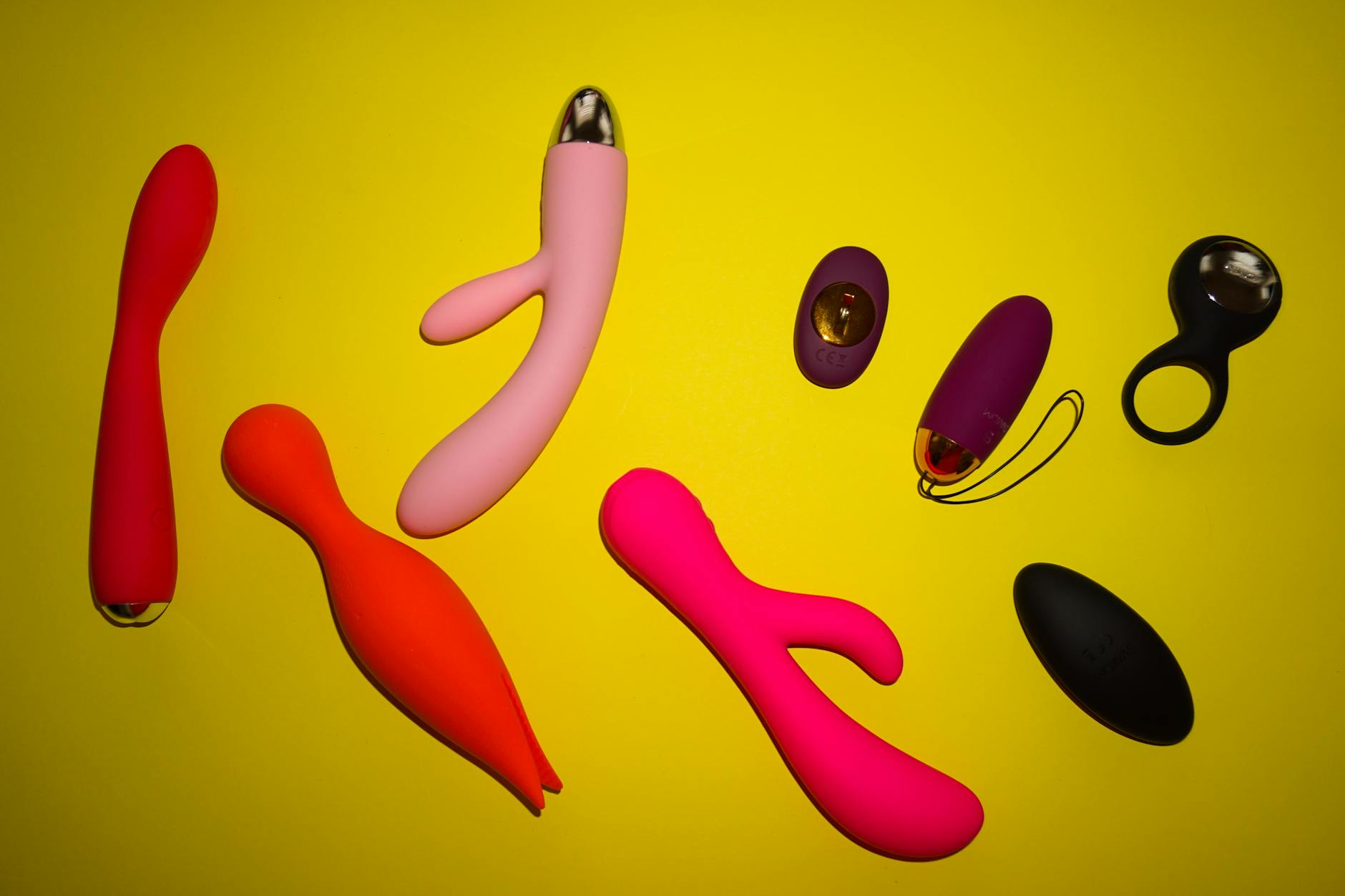
Let's talk about the numb-down
You've been using your lemon vibrator for months, maybe longer. At first it was magic. Now it feels like touching yourself with a phone on silent mode. The vibration is still there. Your body just isn't responding the same way. If you're wondering whether something's wrong with your toy, your body, or your relationship with pleasure itself, here's the honest answer: none of those things are broken. What's happening is called sensory adaptation, and it's one of the most common experiences people have with any lemon adult toy, including the lemon sucker and other clitoral vibrators.
This is fixable. And understanding why it happens is the first step to getting your pleasure back.
How sensory adaptation actually works
Your nervous system is built for novelty. When a sensation stays constant for long enough, the nerve receptors stop firing at the same intensity. This isn't a malfunction. It's your body being incredibly efficient. The same thing happens when you put on a shirt. You feel it for thirty seconds, then your brain stops reporting it because the information stops being urgent.
With a lemon vibrator, the mechanism is slightly different but the outcome is the same. The clitoral tissue has specialized nerve endings called Meissner's corpuscles. These receptors are wildly sensitive to change. They light up when stimulation begins, when it shifts patterns, when it stops. But when the stimulus stays exactly the same for an extended period, they habituate. They get quieter. After consistent use with the same toy at the same intensity, many people report that even a lemon clitoral vibrator that once felt incredible now feels like background noise.
Why it happens faster with some people
Sensory adaptation isn't equally distributed. Some folks habituate quickly to any repetitive stimulus. Others can use the same toy at the same settings for years and still feel the full effect. The difference comes down to a few biological factors.
Neurotransmitter sensitivity. Some people's dopamine and serotonin systems are naturally more responsive to novelty. If you're someone who gets bored easily with partners, hobbies, or jobs, you're probably someone who habituates faster to toy sensations too. That's not a flaw. It just means you need variation built into your pleasure.
Baseline anxiety and stress. Chronic stress dampens nerve sensitivity across the body. If you've been using a lemon vibrator consistently during a high-stress period, the numbing might not be adaptation at all. It might be that your nervous system is too activated elsewhere to register pleasure signals.
Relationship context. When pleasure becomes routine, when it's scheduled rather than surprising, the psychological component of arousal dims. Some of this numbness isn't physiological. It's relational. Your brain stops anticipating the experience, which means your body doesn't prime itself the same way.
The reset strategies that actually work
Here's what I recommend to people experiencing numbness with their lemon vibrators, whether they use the lem vibrator, the lemon sucker, or another style of clitoral vibrator.
Take a real break. Not three days. Two to three weeks. This allows the Meissner's corpuscles to downregulate their habituation and return to baseline sensitivity. You can still have pleasure during this window, just not with the vibrator. The break isn't punishment. It's a reset.
Switch up the pattern mid-session. If your lemon clitoral vibrator has multiple patterns, use them. Don't just toggle between intensity levels. Jump from the standard pulse to something completely different. The novelty jolt can wake up nerve sensitivity in real time.
Introduce lubrication or remove it. If you've been using your lemon vibrator dry, try a water-based lubricant. If you've been wet, try without. The change in sensation can restart the neural conversation.
Approach from a different angle. The clitoris has internal and external structures. You might be stimulating the glans consistently. Try angling toward the clitoral body or the vestibular bulbs. Movement, not just intensity, creates novelty.
Slow down. This sounds counterintuitive, but numbness often happens when we use toys on autopilot at high intensity. Taking three or four sessions to deliberately explore lower settings at slower speeds can reset your perception of what the vibration actually feels like.

Photo by Vanessa Loring on Pexels
Why your toy isn't dying (even if it feels that way)
The first instinct is often to assume the lemon vibrator itself is failing. Battery degradation happens, yes. But it's rare. Most lemon sexual toys, including high-quality clitoral vibrators from Hello Nancy, have batteries that stay strong for years. What changes is your relationship with the sensation, not the sensation itself.
One way to test this: if your partner hasn't been using the vibrator, ask them to try it. Most people report that when a partner picks it up mid-session, they're shocked at how intense it feels. That's the proof. The toy is fine. Your nerve endings just need a reminder.
The psychological dimension you can't ignore
Sensory adaptation is physical, but context matters enormously. If you're feeling disconnected from your partner, stressed about work, or resentful about something unspoken, your pleasure gets dampened before your body even picks up the vibrator. The numbness might not be about the toy at all.
I often work with couples where one partner reports numbness with their lemon vibrator, and when we dig deeper, it's because the pleasure has become transactional. They're using it because they should, not because they want to. The novelty is gone emotionally before it's gone physically. If this resonates, the fix isn't a better vibrator. It's reconnecting with desire on your own terms first. That might mean using your lemon clitoral vibrator less regularly, or it might mean bringing your partner back into the conversation about pleasure. <a href="/en/blog/how-to-introduce-a-lemon-vibrator-to-your-partner-without-awkwardness">How to introduce a lemon vibrator to your partner</a> can help restart that dialogue.
When to consider a different toy
Sometimes the answer is actually another toy. If you've been using one lemon vibrator exclusively, rotating in a different style of stimulation can feel genuinely novel. Not because your first toy failed, but because your nerve endings respond to variation. A lemon sucker works differently than a standard vibrator. A wand covers more area. <a href="/en/blog/how-lemon-vibrators-compare-to-other-clitoral-toys-for-sensitivity">How lemon vibrators compare to other clitoral toys for sensitivity</a> breaks down the options if you're curious about what might feel fresh.
But here's the thing. If you rotate toys without addressing the habituation cycle itself, you'll eventually numb out to the second toy too. The real solution is building variability into your solo pleasure life and your partnered life. Novelty, breaks, pattern switching, and honest conversation about what you actually want.
Photo by cottonbro studio on Pexels
The preventive angle
If you're just starting with a lemon clitoral vibrator and want to avoid the numb-out altogether, here's the game plan. Use it 2 to 4 times per week, not daily. Vary the patterns and intensity. Introduce breaks every 6 to 8 weeks, even if you're not experiencing numbness. Think of pleasure the way you'd think about fitness. Constant, identical repetition leads to a plateau. Variation keeps the system responsive.
Your body isn't boring. It's just incredibly smart. It stops reporting sensations that don't change because changing information is the only information that matters to survival and pleasure. Once you understand that, the numbness becomes less like a problem and more like feedback. Your nervous system is telling you it's time for something different.
Frequently asked questions
How long does sensory adaptation actually take with a lemon vibrator?
It varies widely. Some people experience noticeable numbness after 8 to 12 weeks of consistent use. Others take 6 months. A few people never habituate significantly and can use the same lemon sucker or lemon clitoral vibrator indefinitely without the sensation fading. Baseline sensitivity, stress levels, frequency of use, and whether you vary patterns all factor in.
Can you damage your nerve endings by using a lemon vibrator too much?
Not in the way most people worry. Sensory adaptation isn't nerve damage. The Meissner's corpuscles aren't being harmed. They're just downregulating. The sensation comes back fully once you take a break or introduce novelty. However, using a vibrator at very high intensity for extended periods can theoretically cause temporary tissue irritation, which is why moderation and lubrication matter.
Is it normal to feel nothing during orgasm with a lemon clitoral vibrator after long-term use?
It's common, not necessarily normal in the sense of healthy. If you're reaching orgasm but not feeling the intensity you once did, that's typically adaptation combined with a possible psychological component. The orgasm is still happening neurologically, but the sensation feels muted. A 2 to 3 week break almost always restores the intensity.
Should you stop using your lemon vibrator entirely if it feels numb?
Not necessarily. You can switch to manual stimulation, use your toy less frequently, introduce lubrication or new patterns, or take a full break. The approach depends on what fits your life and your pleasure. If you're going to keep using it, change something about the experience every few sessions to introduce novelty.
Does this happen with all clitoral vibrators or just certain lemon sexual toys?
Sensory adaptation happens with any consistent external vibration, regardless of brand or style. A lemon vibrator from Hello Nancy will eventually trigger adaptation if used the same way indefinitely, just as any clitoral vibrator will. The solution is the same across all toys: variation, breaks, and novelty.
Can stress make numbness with a lemon sucker feel worse?
Absolutely. Chronic stress elevates cortisol and adrenaline, which suppress pleasure signaling throughout the nervous system. You might experience numbness with your lemon clitoral vibrator during high-stress periods that would vanish once stress decreases. Sometimes the issue isn't your toy or your body. It's your life context.
The takeaway
Numbness with a lemon vibrator isn't a sign that you're broken, your toy is failing, or your pleasure is disappearing. It's your nervous system doing exactly what it's designed to do: adapt to constant input. The fix is straightforward. Build variation into your routine. Take breaks. Slow down sometimes. Switch patterns. And if you need to have a conversation about desire and novelty with your partner, that's a conversation worth having. Your pleasure matters enough to protect it with intention.