Let's start with the obvious truth
Antidepressants save lives. They also change how pleasure works. Both things are true at the same time, and pretending otherwise leaves you frustrated, confused, or worse, thinking something's broken in you when it's actually just chemistry.
If you've started an SSRI, SNRI, or tricyclic antidepressant and noticed that your body takes forever to warm up, that sensation feels muffled, or that your lemon vibrator doesn't hit the same way it used to, you're not imagining it. This is one of the most common sexual side effects of antidepressants. And it's fixable.
How antidepressants affect arousal speed
SSRIs (selective serotonin reuptake inhibitors) like sertraline, paroxetine, and fluoxetine work by keeping serotonin in your brain longer. That's how they ease depression and anxiety. But serotonin also dampens dopamine, the chemical that screams "yes, do that again." Dopamine is what makes your body say go, and when it's quieter, everything slows down.
The second issue is blood flow. Sexual arousal depends on vasocongestion, which is just a fancy word for blood rushing to your genitals. Serotonin tone affects that process. More serotonin circulating can mean slower blood flow, slower swelling, and a longer time before you feel ready.
Then there's the neural pathway issue. Your brain has to fire a chain of signals to register pleasure, build arousal, and trigger orgasm. When serotonin is elevated, that signal gets noisier. It's like trying to hear someone whisper in a crowded room. The message is there, but it takes longer to land.
Why your warm-up time has probably doubled
Before antidepressants, maybe you needed five to ten minutes to feel aroused. Now it's fifteen, twenty, or thirty minutes. That's not laziness or relationship trouble. That's your nervous system taking longer to shift into gear.
This matters because a lot of people interpret slow arousal as low desire. They're not the same thing. You can want sex, want pleasure, want connection, and still need your body twenty minutes to catch up. The confusion between desire and physical response is where a lot of couples get stuck.
Here's the clinical bit: it usually takes four to six weeks to fully adjust to a new antidepressant dose. But sexual side effects sometimes take longer to level out. Some people find that orgasm becomes harder to reach around the same time arousal slows. Others notice their lemon clitoral vibrator takes more time on stronger patterns before sensation builds.
The sensation shift that confuses people most
You know that feeling of intensity when you touch the right spot? When a vibrator hits and you immediately feel electricity? That's dopamine and norepinephrine talking. Antidepressants can mute that slightly.
What's wild is that orgasms often still happen. They just feel different. Some people describe them as arriving further away from the body. Others say the buildup is slower but the release is still there. A few report that orgasms feel less intense but last longer.
With a lemon vibrator or any suction-based toy, this means you might need to:
- Spend more time at lower intensity levels instead of jumping straight to pattern 5 or 6
- Use longer sessions (twenty to thirty minutes instead of ten to fifteen)
- Experiment with different patterns to find what cuts through the changed sensation
- Add lubrication even if you didn't need it before (because slower arousal means less natural lubrication building up)
Four things that actually help
Take the timing question seriously. Budget an extra fifteen minutes. Tell yourself (and your partner if you have one) that warm-up takes longer now. That's not a problem to solve. That's information. When you stop treating slow arousal like failure, the entire experience shifts.
Switch when you're most alert. Antidepressants affect energy and focus at different times of day depending on whether you take them in the morning or evening. Some people find pleasure is easier in the hour or two after waking. Others find late afternoon works better. Trial and error matters here.
Explore sensation before pleasure. Spend five to ten minutes just noticing how different pressures and patterns feel, without the goal of orgasm. This retrains your nervous system to register subtle sensation as pleasurable instead of waiting for big bang intensity. Many lemon vibrator users find that lower patterns (1-3) become more satisfying when you approach them as exploration rather than foreplay.
Consider a dose timing conversation with your provider. Some antidepressants hit sexual response harder than others. SSRIs like paroxetine have a higher rate of delayed orgasm than others like bupropion. If you're struggling months in, it's worth asking whether timing the dose differently or switching to a class with less sexual impact might help.
What changes and what doesn't
Antidepressants don't kill desire. They don't make orgasm impossible. They don't mean you're broken or that pleasure is off the table forever.
What they do is add friction to the path between wanting pleasure and physically feeling it. That friction is temporary and manageable, especially if you stop treating it like a personal failing.
The clitoral nerve density doesn't change. Your capacity for sensation doesn't change. The parts of your brain that experience pleasure don't stop working. The timeline just gets longer, and the route gets more winding.
If nothing's shifting after six weeks
Talk to your psychiatrist or GP. Sexual side effects from antidepressants are real, documented, and absolutely worth raising. A few options exist.
Some people find that switching timing helps (taking the dose at night instead of morning, or vice versa). Others have better luck with a different SSRI or switching classes entirely. Some providers suggest adding bupropion alongside your current medication to counteract the dopamine dip. There's also the nuclear option of a dose adjustment, though that comes with more risk and needs careful monitoring.
And here's the thing that doesn't get said enough: while you're figuring this out, pleasure doesn't have to wait. A lemon vibrator, longer warm-up time, and patience with your body are not second-best options. They're how you reconnect while your brain chemistry settles. That's not workaround. That's smart.
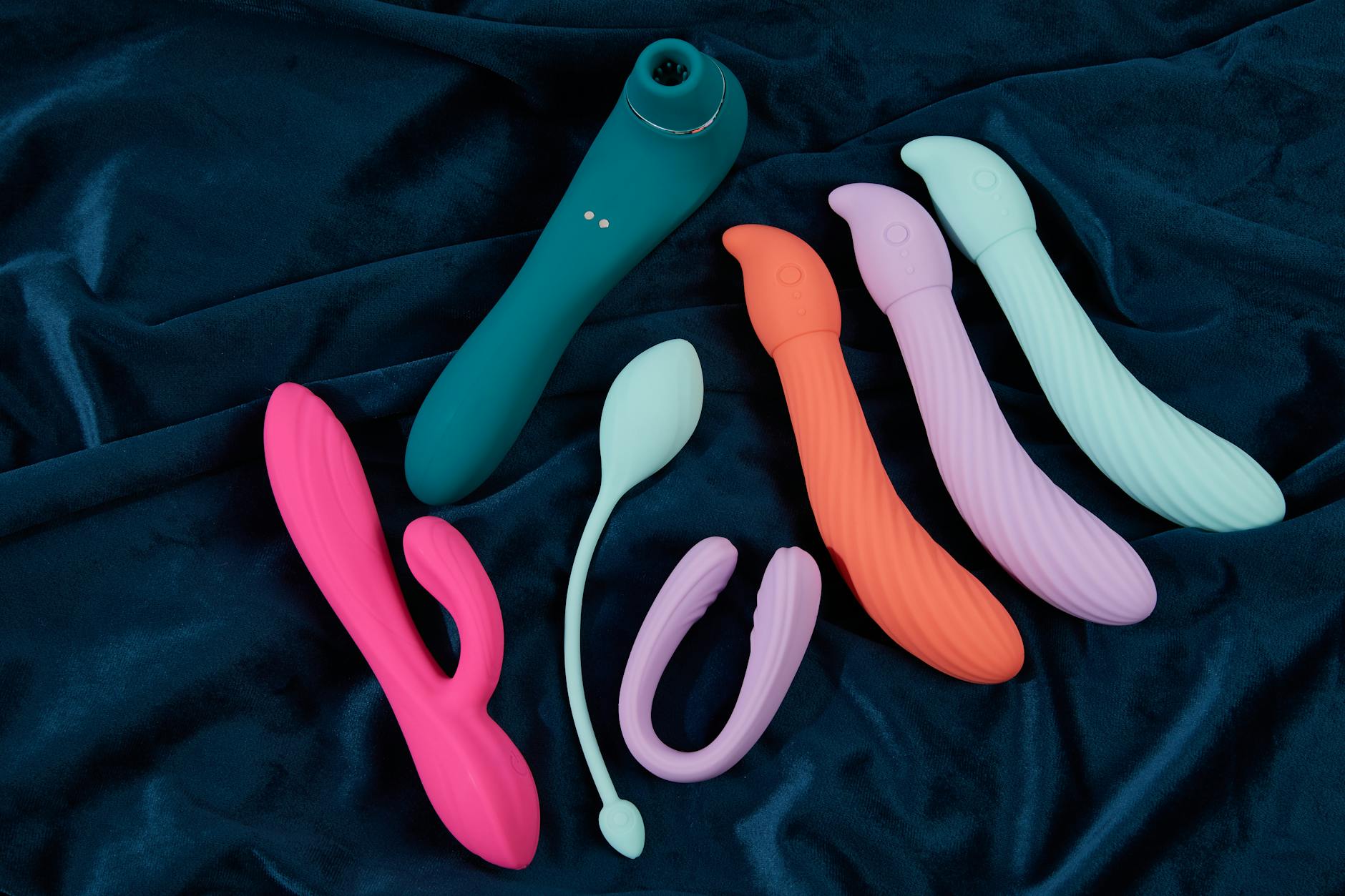
Photo by IFONNX Toys on Pexels
The partner conversation you probably need to have
If you're in a relationship, your partner might notice the shift too. Sometimes they take it personally, thinking you're less attracted to them. Other times they feel bad that sex takes longer now. The best move is to name it directly.
"I started antidepressants. My body takes longer to warm up now. That's not about you. Here's what helps." That clarity prevents months of confusion and hurt feelings.
If you're exploring pleasure alone, the adjustment is simpler but still real. You're learning what your body needs now. That's not loss. That's information.
People also ask
How long after starting antidepressants do sexual side effects usually show up?
Often right away. Some people notice changes within the first week. For others, it takes a few weeks as the medication builds in their system. Most side effects plateau by week four or six. Importantly, that doesn't mean they go away on their own. Some people adapt and their body adjusts. Others have persistent changes and need to adjust their approach or talk to their doctor about alternatives.
Will the sensation come back once I adjust to the medication?
Sometimes yes, sometimes partially, sometimes no. Every person's body chemistry is different. Some people find that after three months, their body learns to work around the serotonin shift and sensation normalizes. Others find that staying on the medication means staying with the slower, quieter pleasure response. The key is not waiting passively for it to change. Instead, learn what works now. That's how you stop resenting the medication and start living well on it.
Can switching to a different antidepressant reduce sexual side effects?
Yes. Some antidepressants have less sexual impact than others. Bupropion, for example, actually increases dopamine and has fewer sexual side effects for many people. Others find good results with mirtazapine or tricyclics. But switching is a medical decision that needs your provider's input because some medications work better for different types of depression or anxiety. It's worth the conversation, though.
Is it normal to need a lemon vibrator on a higher pattern after antidepressants?
Completely normal. The slower nerve signal means you might need stronger or longer stimulation. Some people also find that varying the pattern during a session helps more than staying on one. And don't skip lubrication even if you never needed it before. The slower arousal means less natural lubrication, so adding it cuts the friction and makes sensation easier to register.
Should I stop my antidepressant to get pleasure back?
No. The depression or anxiety that brought you to the medication isn't worth the sexual side effect trade-off. That sounds dramatic until you've lived through untreated depression. The answer isn't stopping the medication. It's talking to your provider about adjusting how you take it, switching to something with less sexual impact, or learning new approaches to pleasure that work with your current body chemistry.
Can stretching or exercise help with arousal speed on antidepressants?
Yes, surprisingly. Cardiovascular exercise increases blood flow and dopamine. Pelvic floor exercises (Kegels and their opposites) help rewire sensation pathways. These aren't magic, but they can make a real difference in how quickly your body shifts into arousal. Some people combine a ten-minute walk or a few minutes of pelvic floor work right before exploring pleasure and feel a noticeable shift.
The real takeaway
Antidepressants change the timeline and texture of pleasure. They don't end it. They don't mean you're broken or that your sexuality is gone. They mean you get to learn a new version of how your body works. That's not a step backward. Sometimes it's just sideways. And from there, you build something that works.